Best Practices for Cleaning Carpets in Historic Amesbury, MA Homes
Amesbury’s rich history dates back to 1668, making it one of Massachusetts’ oldest communities. From Federal-style mansions along Main Street to colonial homes in the Rocky Hill Historic District and Victorian residences near Market Square, Amesbury’s architectural heritage deserves preservation—including the carpets and rugs that grace these historic floors.
Cleaning carpets in historic Amesbury homes requires specialized knowledge that balances modern cleaning effectiveness with preservation of antique flooring systems, delicate textiles, and irreplaceable architectural details. Standard carpet cleaning approaches can cause irreversible damage to period homes, making it essential to understand best practices that protect your historic property while maintaining beautiful, healthy carpets.
Why Historic Homes Require Special Carpet Cleaning Approaches
Historic home carpet cleaning demands specialized techniques because: antique carpets use natural fibers and dyes vulnerable to harsh modern chemicals, original wood floors beneath carpets may be sensitive to moisture, plaster walls and ceilings below can sustain water damage from over-wetting, horsehair padding and natural materials in older carpets deteriorate with excessive moisture, and preservation ethics require methods that protect rather than compromise historic materials. Approaching historic home carpet cleaning with residential-standard methods risks permanent damage to irreplaceable elements of your Amesbury property.
Understanding these unique vulnerabilities guides appropriate cleaning method selection and prevents costly mistakes.
Understanding Your Historic Amesbury Home’s Flooring System
Before cleaning carpets, understand the complete flooring structure beneath them:
Common Historic Flooring Configurations
Wide Plank Flooring (Pre-1850): Hand-hewn boards, often 10-18 inches wide, with square nails and irregular spacing. Extremely sensitive to moisture—water seeping through carpets causes cupping, warping, and finish damage.
Narrow Hardwood (1850-1920): Tongue-and-groove oak, maple, or pine flooring. More stable than wide planks but still vulnerable to water damage, especially if original finish remains.
Painted Floors: Common in service areas and less formal rooms. Water penetration lifts historic paint layers—preservation concern if original decorative painting exists.
Subflooring Variations: Historic homes may have no subfloor, single-layer boards, or later additions. Understanding construction affects moisture management during cleaning.
Potential Issues Below Carpets
Original Finishes: Shellac, oil, or wax finishes deteriorate with water exposure—carpets may be only protection for irreplaceable historic surfaces.
Decorative Elements: Stenciling, painted borders, or inlaid patterns may exist beneath carpets—discovered during renovation but vulnerable to moisture.
Structural Concerns: Older homes may have weakened joists, settling issues, or pest damage—excessive moisture exacerbates problems.
Plaster Ceilings Below: Water seeping through floors damages plaster in rooms below—common issue in multi-story historic homes.
Historical Significance: Some floor configurations represent important construction techniques or original materials worth preserving.
Before scheduling residential carpet cleaning in Amesbury, consider having a preservation consultant or qualified contractor assess your home’s flooring system if you’re uncertain about its condition or configuration.
Antique Carpet and Rug Considerations
Many historic Amesbury homes feature period-appropriate carpets and rugs requiring specialized care:
Identifying Historic Textiles
Oriental and Persian Rugs (Pre-1940): Hand-knotted wool with natural dyes. Valuable, delicate, and requiring expert cleaning—never use standard carpet cleaning equipment.
Ingrain Carpets (1780-1900): Reversible flat-weave carpets common in Federal and early Victorian homes. Natural dyes fade easily; require gentle, minimal-moisture cleaning.
Brussels and Wilton Carpets (1850-1920): Loop-pile carpets popular in Victorian homes. Wool construction with potential natural dye sensitivity.
Rag Rugs (All Periods): Handwoven from fabric scraps. Family heirlooms requiring gentle handling—some may not withstand any wet cleaning.
Hooked Rugs (1850-Present): Hand-hooked designs on burlap or linen backing. Backing deteriorates with age and moisture—assess condition before cleaning.
Age-Related Vulnerabilities
Natural Dye Sensitivity: Pre-1920 carpets often use vegetable and mineral dyes that bleed, run, or fade with water or modern cleaners.
Fiber Degradation: Wool, cotton, and silk fibers weaken over decades—aggressive cleaning causes irreversible damage or disintegration.
Backing Deterioration: Burlap, canvas, and jute backings become brittle with age—excessive moisture or agitation causes tearing or separation.
Previous Repairs: Historical repairs using different materials or techniques may react unpredictably to cleaning solutions.
Moth Damage: Older wool carpets may have moth damage weakening structure—cleaning pressure can worsen holes or threadbare areas.
Professional Assessment Necessity
For carpets or rugs you suspect may have historical or monetary value:
Textile Conservators: Specialists in historic textile preservation can assess condition, recommend appropriate cleaning, and perform conservation work if needed.
Antique Rug Dealers: Experienced dealers identify carpet age, origin, and value—guide appropriate care approaches.
Museum Standards: If carpet has museum-quality significance, only conservation-trained professionals should perform cleaning.
Never attempt DIY cleaning on potentially valuable antique carpets—consult experts first. The cost of assessment pales compared to destroying an irreplaceable textile.
Low-Moisture Cleaning: The Historic Home Standard
For most historic Amesbury homes, low-moisture cleaning methods provide optimal results with minimal risk:
Why Low-Moisture Matters
Moisture Protection: Uses 90% less water than traditional steam cleaning—prevents water damage to historic floors, substructures, and plaster.
Faster Drying: Carpets dry in 1-2 hours vs. 12-24 hours—reduces mold risk in homes with limited HVAC or ventilation.
Reduced Chemical Exposure: Requires less cleaning solution—minimizes chemical contact with sensitive historic materials.
Structural Safety: Avoids water weight that can stress aged floor joists or compromise weakened structural elements.
Controlled Application: Precise product placement prevents over-wetting and unintended spread to adjacent historic surfaces.
Encapsulation Cleaning Method
Most effective low-moisture approach for historic homes:
Process: Polymer-based cleaning solution applied to carpet, agitated to surround soil particles, then crystallizes as it dries.
Benefits: Deep cleaning without excessive moisture, crystallized soil vacuums away easily, no sticky residue attracting future dirt, minimal drying time.
Best For: Regular maintenance cleaning, lightly to moderately soiled carpets, homes with moisture-sensitive flooring, properties with limited ventilation.
Limitations: May not remove deep-set stains or heavily embedded soil requiring extraction methods.
Bonnet Cleaning Method
Surface cleaning appropriate for interim maintenance:
Process: Rotating pad soaked in cleaning solution absorbs soil from carpet surface.
Benefits: Very low moisture, immediate use after cleaning, effective for surface soil and appearance refresh.
Best For: Maintaining appearance between deep cleanings, preparing for events, light soil removal.
Limitations: Surface-only cleaning—doesn’t address deep soil or stains, not suitable as primary cleaning method.
Dry Compound Cleaning
Completely moisture-free option for extremely sensitive situations:
Process: Absorbent compounds applied to carpet, agitated into fibers, left briefly, then vacuumed.
Benefits: Zero moisture—no water damage risk, immediate use, safe for most delicate situations.
Best For: Water-sensitive antique rugs, homes with severe moisture concerns, spaces requiring immediate use.
Limitations: Less effective than moisture-based methods for heavy soil, more expensive per cleaning.
When selecting residential carpet cleaning services in Amesbury for historic homes, verify the provider offers and recommends appropriate low-moisture methods rather than defaulting to high-moisture steam cleaning.
When Hot Water Extraction is Appropriate
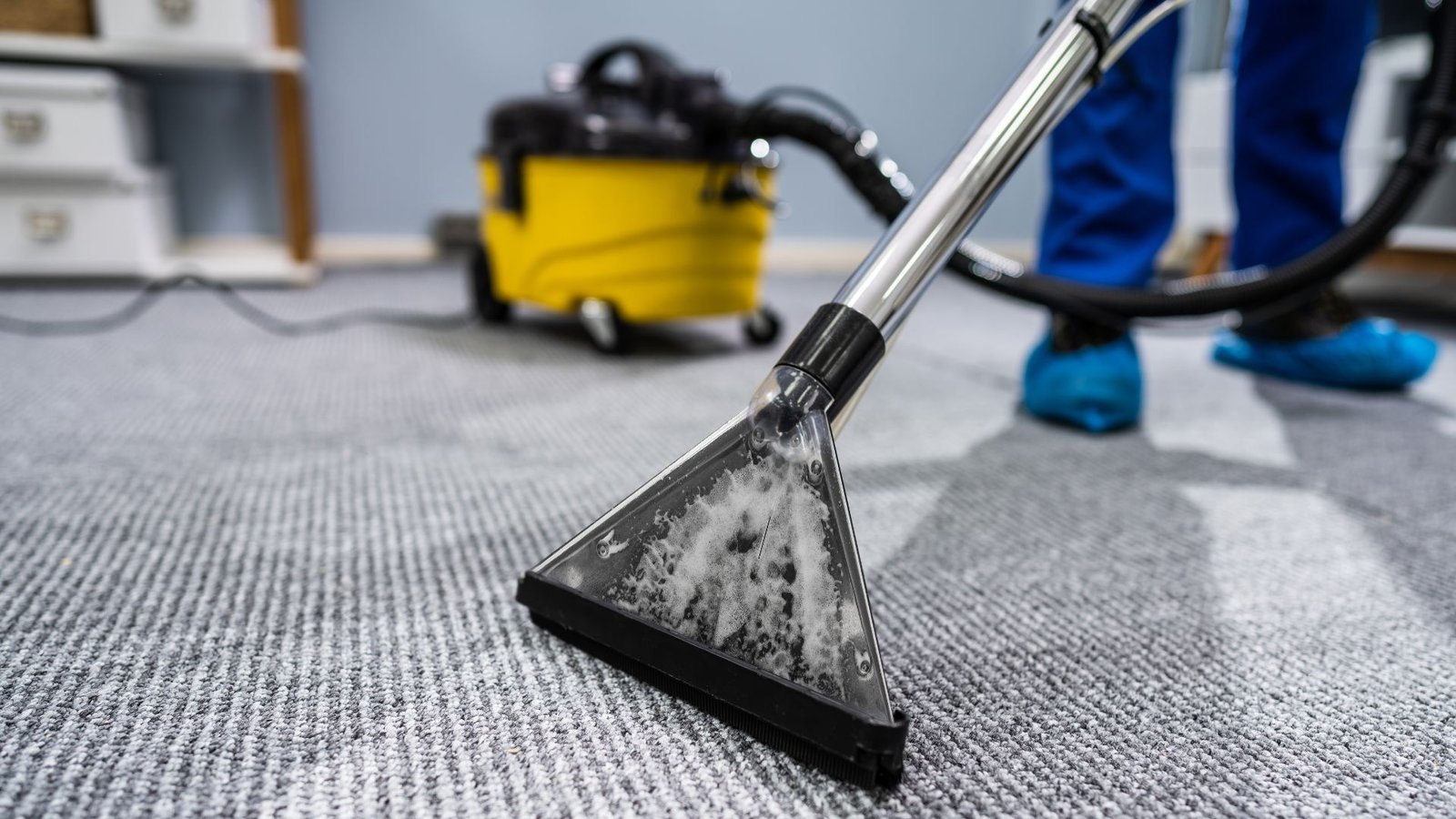
Despite moisture concerns, hot water extraction (steam cleaning) sometimes provides necessary deep cleaning:
Situations Warranting Extraction
Heavy Soil Buildup: Years of accumulated dirt require extraction power—when low-moisture methods prove insufficient.
Significant Staining: Deep-set stains from pets, flooding, or long-term neglect need aggressive treatment.
Allergen Concerns: Extraction provides most thorough removal of dust mites, dander, and allergens for health-sensitive households.
Pre-Sale Preparation: Real estate transactions may require deep extraction cleaning to meet buyer expectations.
Post-Restoration: After addressing structural moisture issues, extraction can restore heavily soiled carpets.
Modified Extraction for Historic Homes
When extraction becomes necessary, modifications protect historic properties:
Reduced Water Volume: Use minimum water necessary for effective cleaning—experienced technicians adjust equipment accordingly.
Powerful Extraction: High-suction equipment removes maximum moisture in single pass—reduces water exposure time.
Strategic Application: Focus extraction on carpeted areas only—avoid over-spray onto adjacent historic floors or trim.
Protective Barriers: Place moisture barriers beneath carpet edges near walls and transitions to protect underlying surfaces.
Enhanced Drying: Maximize airflow with fans, dehumidifiers, and open windows—target 4-6 hour dry time maximum.
Temperature Monitoring: Avoid excessive heat that can damage natural fibers or historic floor finishes beneath carpets.
Staged Approach: Clean one room at a time rather than entire house—allows monitoring and adjustment if moisture issues arise.
Professional house carpet cleaning in Amesbury providers experienced with historic properties understand these necessary modifications and implement them automatically.
Protecting Historic Architectural Details
Carpet cleaning in historic homes requires vigilance beyond the carpets themselves:
Baseboards and Trim
Original Woodwork: Hand-milled baseboards, door casings, and trim may have irreplaceable profiles and original finishes—protect from moisture and cleaning solution contact.
Protection Methods: Apply painter’s tape along baseboards before cleaning, use edge tools carefully to avoid gouging or scratching, wipe any splashes immediately with dry cloth.
Original Paint: Historic paint layers provide archaeological record of home’s decoration—avoid moisture contact that lifts or damages old paint.
Plaster Walls
Moisture Sensitivity: Historic plaster (lime or gypsum-based) deteriorates with water exposure—creates staining, efflorescence, or crumbling.
Protection Strategy: Keep cleaning several inches from wall base, never spray solutions toward walls, address any wall contact immediately.
Wood Floors at Transitions
Threshold Areas: Carpet-to-floor transitions expose historic flooring to cleaning solution—requires careful technique.
Protection Approach: Place absorbent barriers at transitions, use hand tools for precision at edges, dry exposed flooring immediately if contacted.
Hardware and Fixtures
Original Elements: Historic door hinges, heat registers, radiators may have original finishes damaged by cleaning chemicals.
Preventive Care: Cover or protect metal elements near cleaning areas, avoid direct contact with cleaning solutions, clean any splashes with appropriate metal care products.
Ceiling Medallions and Details Below
Multi-Story Concerns: Water seeping through floors damages plaster medallions, crown molding, and decorative elements in rooms below.
Risk Management: Use minimal moisture methods for upstairs rooms, place protective coverings over valuable furniture below during upstairs cleaning, inspect rooms below after cleaning for any moisture evidence.
Experienced professionals understand these concerns and incorporate protective measures automatically—discuss specific architectural concerns when scheduling cleaning.
Chemical Selection for Historic Homes
Modern carpet cleaning chemicals can damage historic materials—careful product selection is essential:
Chemicals to Avoid
High-Alkalinity Cleaners (pH >10): Damage natural fibers, strip finishes from wood floors, etch stone or tile, cause color bleeding in natural dyes.
Bleach-Based Products: Irreversibly damage or discolor natural fibers, create toxic fumes in poorly ventilated historic homes.
Strong Solvents: Damage carpet backing materials, strip finishes from adjacent surfaces, create fire hazards in homes with old wiring.
Synthetic Fragrances: Some historic preservation guidelines prohibit strong scents in significant properties, can trigger sensitivities in older residents common in historic neighborhoods.
Preferred Products
pH-Neutral Formulations (pH 6-8): Safe for natural fibers, won’t damage wood or stone, reduced risk of dye bleeding or color change.
Plant-Based Cleaners: Derived from renewable resources, gentler on delicate materials, lower VOC emissions in homes with limited ventilation.
Biodegradable Solutions: Break down naturally without harming historic septic systems or old drainage, reduce environmental impact.
Fragrance-Free Options: Avoid scent conflicts with historic home character, prevent chemical sensitivity issues.
Testing Protocol
Before applying any cleaning product in historic homes:
- Identify Hidden Test Area: Choose inconspicuous spot—inside closet, behind furniture, under area rug
- Apply Small Amount: Use cotton swab or small cloth with diluted cleaning solution
- Wait 24 Hours: Monitor for color change, fiber damage, or adverse reactions
- Check Adjacent Materials: Ensure solution doesn’t affect nearby wood, stone, or other materials
- Evaluate Results: If any concerns appear, abandon that product and try alternatives
Never skip testing in historic homes—the few minutes invested prevents permanent damage to irreplaceable materials.
Seasonal Considerations for Historic Amesbury Homes
Amesbury’s New England climate creates seasonal timing considerations for carpet cleaning:
Spring Cleaning (April-May)
Advantages: Moderate temperatures allow window ventilation, removes winter salt and dirt accumulation, prepare for summer visitors and events.
Considerations: Spring rain increases humidity—ensure adequate drying time, mud season tracked into homes—may need pre-treatment attention.
Summer Cleaning (June-August)
Advantages: Warm temperatures and low humidity create ideal drying conditions, open windows provide excellent ventilation, flexible scheduling during vacation periods.
Considerations: Historic homes without modern HVAC may be hot—ensure cleaners can work safely, some preservation restrictions during peak tourism season in historic districts.
Fall Cleaning (September-October)
Advantages: Moderate weather provides good cleaning conditions, prepares home for holiday gatherings, removes summer dust and allergens before closed-window season.
Considerations: Falling leaves and autumn rain may introduce new dirt soon after cleaning, shortening days may limit drying time if scheduling late afternoon.
Winter Cleaning (November-March)
Challenges: Cold temperatures slow drying significantly, limited ventilation in heated homes, humidity from heating systems complicates moisture management, frozen pipes or limited water access in rare cases.
When Necessary: Emergency cleaning (spills, pet accidents, water damage), pre-holiday preparation when other seasons aren’t options.
Special Requirements: Extended drying time required, heating system may need adjustment to aid drying, avoid cleaning during extreme cold snaps.
For most historic Amesbury homes, spring and fall provide optimal carpet cleaning conditions—summer works well if home has good ventilation.
Working with Preservation Standards
Some Amesbury historic properties have formal preservation status requiring specific care approaches:
National Register Properties
Guidelines: Properties listed on National Register of Historic Places may have preservation easements or agreements affecting maintenance approaches.
Requirements: Consult preservation deeds or easement documents before major cleaning projects, document cleaning methods and materials used, use reversible treatments when possible.
Best Practices: Photograph carpets before and after cleaning, maintain records of cleaning products and methods, consult with preservation organizations if unsure about appropriate approaches.
Local Historic Districts
Amesbury Historic District: Properties in designated historic districts may have local preservation guidelines.
Considerations: Exterior work typically regulated but interior maintenance generally unrestricted, consult Amesbury Historical Commission if questions arise about significant interior work.
Preservation Easements
Private Agreements: Some properties have preservation easements held by organizations like Historic New England.
Requirements: Review easement documents for specific maintenance requirements, some agreements require approval for major cleaning or restoration projects, documentation may be required for significant work.
Museum-Quality Properties
Exceptional Significance: A few Amesbury properties have museum-level historical importance.
Standards: May require consultation with professional conservators, cleaning methods must meet museum conservation standards, documentation and reversibility critical.
For most homeowners, these formal requirements don’t apply—but understanding whether your property has preservation restrictions prevents inadvertent violations.
DIY Maintenance vs. Professional Cleaning
Historic home carpet care involves both professional service and homeowner maintenance:
What Homeowners Should Handle
Regular Vacuuming: Weekly vacuuming with appropriate equipment removes surface soil before it embeds—single most important maintenance task.
Immediate Spot Treatment: Blot spills quickly using white towels and approved spot cleaners—prevents stains from setting.
Dirt Prevention: Entrance mats, shoe removal policies, and seasonal cleanup reduce soil introduction.
Rotation and Protection: Rotate area rugs to distribute wear, use protective pads under furniture legs, close curtains to prevent sun fading.
Monitoring: Watch for pest damage, moisture issues, or wear patterns requiring professional attention.
What Requires Professional Service
Deep Cleaning: Annual or bi-annual professional cleaning removes embedded soil homeowner methods can’t reach.
Stain Removal: Stubborn stains, especially on antique textiles, require professional expertise and products.
Antique Rug Cleaning: Historic rugs need specialist care—never DIY clean valuable antiques.
Post-Water Damage: Flooding or leaks require professional extraction and drying to prevent mold.
Pre-Sale Preparation: Professional cleaning before selling ensures optimal appearance for potential buyers.
Restoration Projects: Carpets in homes undergoing historic restoration need coordination with other trades—professional cleaning integrates properly.
Attempting to save money through DIY deep cleaning of historic home carpets often results in damage costing far more than professional service—invest in expertise.
Finding Qualified Historic Home Carpet Cleaners
Not all carpet cleaning services understand historic home requirements:
Essential Qualifications
Historic Property Experience: Verify provider has cleaned carpets in pre-1940 homes—preferably with references from Amesbury historic properties.
Low-Moisture Expertise: Company should offer and recommend encapsulation or dry cleaning methods—not just default to steam cleaning.
Antique Textile Knowledge: Staff should recognize potential historic carpets and recommend appropriate specialists when needed.
Preservation Awareness: Understanding of moisture management, chemical selection, and architectural protection in older homes.
Insurance Coverage: Adequate coverage for damage to historic properties—higher value than typical homes requires appropriate limits.
Flexible Approach: Willingness to modify standard procedures based on specific property requirements.
Questions to Ask Potential Providers
- How many pre-1940 homes have you serviced?
- Can you provide references from other historic Amesbury properties?
- What low-moisture cleaning methods do you offer?
- How do you protect historic architectural details during cleaning?
- What products do you use and what are their pH levels?
- Do you conduct cleaning solution testing before application?
- How do you manage moisture concerns with old flooring systems?
- What is your typical drying time?
- Have you worked with preservation consultants or historical commissions?
- How do you identify antique carpets requiring special handling?
Providers who answer these questions knowledgeably and specifically demonstrate appropriate expertise—vague or dismissive responses suggest inadequate experience.
Special Situations in Historic Homes
Certain scenarios require additional consideration:
Carpets Hiding Historic Floors
Discovery: Many Amesbury historic homes have original floors concealed beneath wall-to-wall carpeting—sometimes valuable painted or inlaid floors.
Before Cleaning: If you suspect significant flooring beneath carpets, consider lifting a corner to assess before proceeding with cleaning.
Decision Point: Discovering museum-quality floors may change plans from carpet cleaning to carpet removal and floor restoration.
Preservation Approach: If valuable floors exist, consult preservation professionals before deciding between maintaining carpets or exposing floors.
Post-Flood or Water Damage
Historic Material Sensitivity: Water damage in historic homes requires immediate, specialized response.
24-Hour Rule: Mold begins growing within 24 hours—time is critical for prevention.
Professional Assessment: Water damage in historic properties needs evaluation by professionals understanding both restoration and preservation.
Documentation: Photograph damage thoroughly for insurance and potential preservation tax credit applications.
Selective Salvage: Some historic elements may be salvageable while others require replacement—expert evaluation determines approach.
Pest Damage Repair
Moth Damage: Wool carpets and rugs vulnerable to moth larvae—requires pest elimination before cleaning.
Carpet Beetle Issues: Similar to moths—creates holes and bare spots in natural fiber carpets.
Treatment Approach: Pest treatment first, damage assessment second, cleaning or repair third—never reverse this order.
Prevention: Professional cleaning removes eggs and larvae—regular maintenance prevents infestations.
Homes Under Renovation
Coordination: Carpet cleaning should occur after dusty work (demolition, sanding, painting) but before furniture return.
Protection During Work: Cover carpets during renovation to minimize damage and reduce cleaning needs.
Timing: Final home carpet cleaning in Amesbury should be last step before occupancy—ensures pristine conditions.
Investment Protection and Property Value
Professional carpet care protects both your historic home investment and its market value:
Financial Considerations
Carpet Replacement Costs: Historic-appropriate carpeting costs $15-$50+ per square yard—professional cleaning at $200-$800 annually extends lifespan by years.
Floor Protection: Preventing moisture damage to historic floors beneath carpets avoids costly restoration work ($10-$30 per square foot).
Property Value: Well-maintained historic homes command premium prices—carpet condition affects buyer impressions significantly.
Tax Benefits: Some historic preservation work qualifies for tax credits—maintaining proper documentation of appropriate cleaning methods may support applications.
Insurance Considerations: Proper maintenance may affect historic home insurance rates and coverage—document professional cleaning for insurers.
Resale Value Impact
Buyer Expectations: Purchasers of historic homes expect appropriate maintenance—clean carpets signal overall property care.
Inspection Issues: Home inspections may note carpet condition—professional cleaning before listing prevents negative comments.
Staging Enhancement: Clean carpets showcase historic home character better—investment in pre-sale cleaning typically returns multiples in sale price.
Historical Integrity: Demonstrating appropriate maintenance methods appeals to preservation-minded buyers willing to pay premiums for properly maintained properties.
Creating a Historic Home Carpet Care Plan
Systematic approach ensures consistent, appropriate carpet maintenance:
Annual Schedule
Spring (April): Primary deep cleaning—removes winter accumulation, prepares for warmer months
Fall (October): Secondary cleaning if needed—removes summer dust, prepares for holiday season
As Needed: Spot cleaning, stain treatment, high-traffic area refresh
Documentation System
Cleaning Records: Maintain log of cleaning dates, methods used, products applied, service providers, observations or concerns
Photographic Record: Annual photographs document carpet condition over time—useful for insurance, maintenance planning, or preservation applications
Product Information: Keep copies of cleaning product safety data sheets and technical specifications
Service Provider Records: Contact information, certificates of insurance, service agreements
Maintenance Checklist
Weekly: Vacuum all carpeted areas, spot clean any spills or stains, check for new damage or wear
Monthly: Deep vacuum including under furniture, rotate area rugs, inspect for pest evidence
Quarterly: Professional assessment of high-traffic areas, evaluate need for interim professional cleaning
Annually: Schedule professional deep cleaning, review and update care plan, photograph for records
Budget Planning
Annual Professional Cleaning: $500-$1,500 depending on square footage
Interim Spot Cleaning: $100-$300 if needed
Carpet Protection Products: $50-$200 annually
Equipment and Supplies: $100-$200 for vacuum maintenance and spot cleaning materials
Most historic Amesbury homeowners find annual carpet care costs of $700-$2,000 protect carpet investments worth $5,000-$20,000+ while preserving priceless historic architectural elements.
Preserve Your Amesbury Heritage
Your historic Amesbury home represents irreplaceable architectural heritage—from Federal-era craftsmanship to Victorian elegance, these properties tell the story of American history. Proper carpet cleaning protects both your textiles and the historic structures beneath them, ensuring your home remains beautiful, healthy, and historically intact for future generations.
Understanding the unique requirements of historic home carpet care—low-moisture methods, appropriate chemical selection, architectural protection, and antique textile recognition—empowers you to make informed decisions that preserve rather than compromise your property’s significance.
Whether your home dates to Amesbury’s colonial origins or Victorian expansion, these best practices ensure your carpets receive cleaning that respects historical character while delivering modern cleanliness and health benefits.
Partner with carpet cleaning for homes in Amesbury professionals who understand historic property requirements, and implement consistent maintenance practices that protect your investment in one of Massachusetts’ most historically significant communities.
Your historic home deserves care that honors its past while ensuring its future—proper carpet cleaning is essential to both goals.