Pet Stain Removal in Swampscott, MA: Why Professional Cleaning Matters
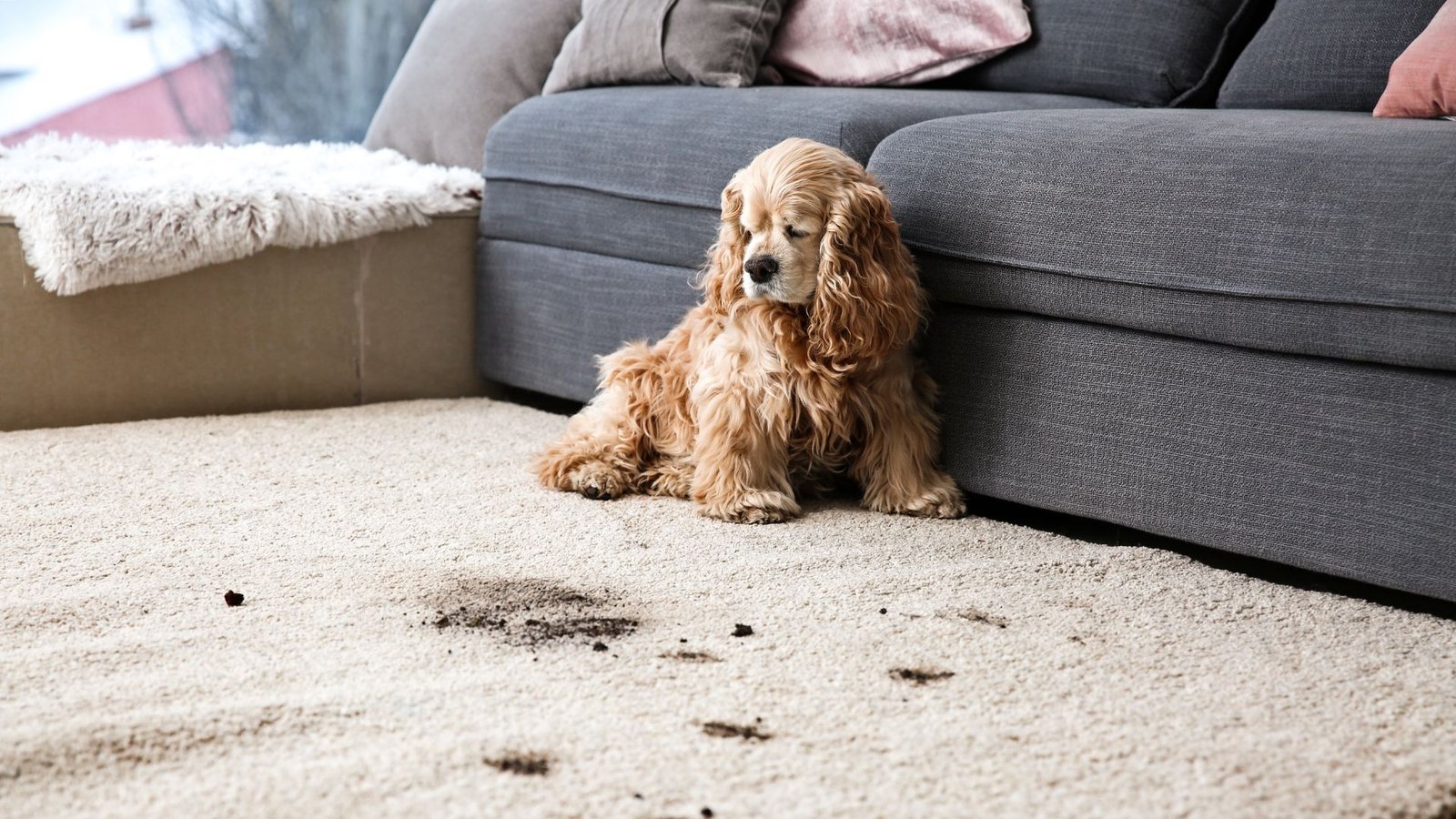
Swampscott’s pet-friendly community embraces dogs and cats as family members—from morning walks along the Rail Trail to afternoon romps on Phillips Beach, pets are woven into the fabric of daily life. But pet ownership comes with inevitable challenges, and pet stains on carpets rank among the most frustrating.
Whether you’re dealing with puppy training accidents in your Humphrey Street home, senior cat issues in your Greenwood Avenue residence, or unexpected pet illness near King’s Beach, understanding why professional pet stain removal matters protects both your carpet investment and your family’s health. DIY methods often make problems worse, creating permanent damage and health hazards that professional treatment prevents.
The Hidden Dangers of Pet Stains
Professional pet stain removal is essential because: urine penetrates deep into carpet padding and subfloors where home methods can’t reach, bacteria and pathogens multiply in untreated organic matter creating health risks, ammonia crystals form in carpet backing causing permanent odor that worsens over time, incomplete cleaning encourages pets to re-mark the same spots, and DIY products often set stains permanently or damage carpet fibers beyond repair. What appears as a simple surface stain actually represents a multi-layer contamination problem requiring professional expertise and equipment.
Understanding the true scope of pet stain damage explains why professional intervention delivers results DIY methods simply cannot achieve.
Why Pet Stains Are Different from Other Carpet Problems
Pet accidents create unique challenges that distinguish them from coffee spills, mud tracking, or general soiling:
Complex Chemical Composition
Urine Components: Pet urine contains urea, creatinine, uric acid, sodium, potassium, hormones, and enzymes—each requiring different treatment approaches for complete removal.
Layered Penetration: Urine flows through carpet fibers into backing, padding, and often subflooring—surface cleaning addresses only a fraction of contamination.
Chemical Changes Over Time: Fresh urine (acidic) transforms into alkaline ammonia as bacteria break down urea—requiring different treatments at different stages.
Protein Bonding: Urine proteins bond with carpet fibers at molecular level—regular cleaners can’t break these bonds without proper chemistry.
Hormonal Markers: Intact animals include territorial hormones in urine that signal other pets to mark the same location—must be completely eliminated.
Biological Activity
Bacterial Growth: Urine provides ideal breeding ground for bacteria—colonies multiply exponentially in untreated carpet and padding.
Enzyme Production: Bacteria produce enzymes that continue breaking down organic matter—creating ongoing odor even after visible stains disappear.
Crystal Formation: As urine dries, uric acid forms insoluble crystals that re-activate with moisture—explaining why old stains smell stronger on humid days.
Mold Development: Moisture from pet accidents creates conditions for mold growth in carpet padding—health hazard requiring professional remediation.
Behavioral Implications
Scent Marking: Incomplete cleaning leaves pheromones that trigger repeat accidents in the same location—creating cycles difficult to break.
Anxiety Indicators: Pet accidents often signal underlying health or behavioral issues—addressing stains alone without veterinary consultation may miss serious problems.
Multi-Pet Dynamics: One pet’s accident encourages others to mark territory—contamination spreads rapidly without thorough treatment.
These complexities explain why products designed for food or beverage stains fail on pet contamination—completely different chemistry and biology require specialized approaches.
What Happens When DIY Methods Fail
Well-meaning Swampscott pet owners often attempt DIY stain removal with disappointing or disastrous results:
Common DIY Mistakes
Using Wrong Products: General carpet cleaners lack enzymes necessary to break down urine proteins—they mask odors temporarily without removing contamination.
Inadequate Penetration: Spray bottles and home carpet cleaners can’t reach padding or subflooring where most contamination resides.
Over-Wetting: Excessive water spreads urine contamination laterally and deeper—expanding damage area significantly.
Vinegar Misconceptions: While vinegar neutralizes fresh urine’s acidity, it’s ineffective against alkaline ammonia in old stains and doesn’t break down proteins.
Baking Soda Limitations: Absorbs surface moisture but can’t penetrate to padding or eliminate uric acid crystals causing persistent odor.
Steam Cleaner Damage: Heat from steam cleaners permanently sets protein stains—making them impossible to remove even with professional treatment.
Chemical Mixing: Combining products creates dangerous reactions or cancels effectiveness—ammonia plus bleach produces toxic fumes.
Consequences of Failed DIY Attempts
Permanent Staining: Incorrect products chemically bond stains to fibers—creating discoloration that survives all future cleaning attempts.
Odor Intensification: Partial treatment without complete organic matter removal creates stronger odors as bacterial activity accelerates.
Carpet Damage: Harsh chemicals, excessive scrubbing, or inappropriate products weaken fibers, fade colors, or damage backing.
Subfloor Contamination: Inadequate extraction allows urine to reach wood subfloors—creating expensive structural damage and persistent odors.
Health Risks: Incomplete bacterial removal creates unsanitary conditions—especially dangerous for young children playing on carpets.
Increased Costs: Failed DIY attempts complicate professional cleaning—may require carpet replacement that proper initial treatment would have prevented.
Pet Behavior Problems: Lingering scents encourage repeated accidents—training efforts fail without complete odor elimination.
For most Swampscott pet owners, the time and money invested in failed DIY attempts exceeds the cost of immediate professional service—while creating problems that become exponentially more expensive to resolve.
The Professional Pet Stain Removal Process
Understanding professional methodology demonstrates why expertise and equipment matter:
Step 1: Comprehensive Assessment
UV Light Inspection: Black lights reveal pet stains invisible to naked eye—identifies extent of contamination including old, forgotten accidents.
Moisture Mapping: Specialized meters detect urine that has penetrated to padding or subflooring—determines treatment depth needed.
Odor Testing: Professionals identify odor sources vs. stain locations—sometimes contamination migrates from actual accident site.
Carpet Construction Analysis: Examines fiber type, backing material, and padding—customizes treatment to specific carpet characteristics.
Subfloor Assessment: Determines whether contamination reached wood subflooring requiring additional treatment beyond carpet.
Pet History: Discusses number of pets, accident frequency, and timeframe—informs treatment intensity and approach.
Step 2: Pre-Treatment Application
Enzymatic Solutions: Professional-grade enzymes break down urine proteins, bacteria, and organic matter at molecular level—begins neutralization process.
Dwell Time: Allows enzymes adequate time to work—typically 15-30 minutes depending on contamination severity.
Agitation: Mechanical action drives treatment into carpet backing and padding—ensures enzymes reach all contamination.
Bacterial Targeting: Antimicrobial treatments eliminate bacteria colonies causing odor and health risks.
Step 3: Deep Extraction
Truck-Mounted Systems: Industrial equipment provides extraction power portable machines can’t match—removes contamination from backing and padding.
Hot Water Extraction: High-temperature water (180-200°F) flushes urine, bacteria, and cleaning products from carpet depths.
Multi-Pass Technique: Multiple extraction passes ensure maximum removal—each pass extracts additional contamination.
Padding Treatment: For severe cases, sub-surface extraction tools treat padding without carpet removal.
Step 4: Neutralization and Deodorization
pH Balancing: Restores carpet to neutral pH after removing alkaline ammonia—prevents future odor development.
Odor Encapsulation: Specialized products neutralize remaining odor molecules rather than masking them with fragrances.
Antimicrobial Application: Prevents bacterial regrowth in treated areas—long-term odor control.
Uric Acid Crystal Breakdown: Specific products dissolve insoluble uric acid crystals that cause humidity-activated odors.
Step 5: Protective Treatment
Stain Blocking: Seals subfloor if contamination reached wood—prevents odors from wicking back through carpet.
Carpet Protection: Optional stain-resistant treatments help future accidents clean more easily.
Pet-Safe Products: All treatments use non-toxic formulations safe for pets and children once dry.
Step 6: Drying and Verification
Rapid Drying: High-powered fans and dehumidifiers accelerate drying—prevents mold and bacterial growth.
Post-Treatment Inspection: UV light verification ensures complete stain removal and identifies any areas needing additional attention.
Odor Evaluation: Professional nose test and client confirmation that odors are eliminated.
This systematic approach addresses contamination at every level—surface, fiber, backing, padding, and subflooring—ensuring complete removal that DIY methods cannot achieve.
Why Timing Matters with Pet Stains
Speed of treatment dramatically affects outcomes and costs:
Fresh Accidents (Within Hours)
Treatment Success: 95%+ complete stain and odor removal with professional treatment.
Cost: Lowest—typically $50-$150 per accident location depending on size.
Carpet Damage: Minimal to none if treated properly.
Subfloor Impact: Usually none if addressed quickly.
Action Steps: Blot excess moisture immediately, avoid rubbing, call professional within 24 hours.
Recent Accidents (1-7 Days)
Treatment Success: 85-95% stain removal, 90%+ odor elimination with professional treatment.
Cost: Moderate—$100-$250 per location as contamination has penetrated deeper.
Carpet Damage: Minor if treated professionally—DIY attempts at this stage often cause permanent damage.
Subfloor Impact: Possible if large volume or repeated accidents—may need assessment.
Action Steps: Schedule professional service immediately—every day increases difficulty and cost.
Old Accidents (Weeks to Months)
Treatment Success: 70-90% depending on severity and previous treatment attempts.
Cost: Higher—$150-$400+ per location as uric acid crystals require specialized treatment.
Carpet Damage: Moderate—may have permanent discoloration even with professional treatment.
Subfloor Impact: Likely if accidents were significant—may need subfloor sealing or replacement.
Action Steps: Professional assessment required—may need multiple treatments or carpet replacement in severe cases.
Chronic Problems (Months to Years)
Treatment Success: Variable—some areas may be beyond restoration.
Cost: Highest—$300-$800+ per major area or carpet replacement ($8-$20 per square foot installed).
Carpet Damage: Severe—fibers weakened, backing deteriorated, padding saturated.
Subfloor Impact: Often extensive—wood damage, odor saturation, possible structural concerns.
Action Steps: Professional assessment essential—may recommend carpet and padding replacement with subfloor sealing.
For Swampscott pet owners, immediate professional treatment of accidents saves hundreds or thousands of dollars compared to delayed response—contact residential carpet cleaning in Swampscott services as soon as accidents occur.
Health Risks of Untreated Pet Stains
Beyond appearance and odor, untreated pet contamination creates genuine health hazards:
Bacterial Contamination
E. Coli: Common in pet feces and sometimes urine—causes severe gastrointestinal illness, especially dangerous for young children.
Salmonella: Can be present in pet waste—leads to food poisoning symptoms, fever, and dehydration.
Campylobacter: Bacterial infection transmitted through contaminated surfaces—causes diarrhea and cramping.
Staphylococcus: Pet accidents can introduce staph bacteria—creates skin infections, especially in people with compromised immune systems.
Mold and Fungal Growth
Aspergillus: Mold that grows in damp carpet and padding—triggers asthma, allergic reactions, and respiratory problems.
Penicillium: Common carpet mold—causes allergies, sinus infections, and breathing difficulties.
Black Mold (Stachybotrys): In severe moisture situations—produces mycotoxins causing serious health effects.
Allergen Accumulation
Pet Dander Concentration: Accidents trap concentrated pet dander in carpet—intensifies allergic reactions even after visible stains disappear.
Dust Mite Proliferation: Moisture from accidents creates ideal breeding conditions—dust mites trigger asthma and allergies.
Ammonia Exposure: Concentrated ammonia from old urine irritates eyes, nose, throat, and lungs—particularly harmful to children and elderly.
Parasite Concerns
Toxoplasma: Cat feces can contain this parasite—especially dangerous for pregnant women and immunocompromised individuals.
Roundworms: Pet accidents may introduce parasitic eggs—can infect humans, particularly children.
Hookworms: Contaminated carpets can harbor larvae—penetrate skin causing infection.
Vulnerable Populations
Infants and Toddlers: Spend significant time on floors where contamination concentration is highest—most susceptible to infections.
Elderly Residents: Weakened immune systems make them vulnerable to bacterial and fungal infections from carpet contamination.
Immunocompromised Individuals: Cancer patients, transplant recipients, and others with reduced immunity face serious risks from carpet bacteria.
Pregnant Women: Certain parasites and bacteria pose risks to fetal development—clean carpets essential for home safety.
Asthma and Allergy Sufferers: Mold, dust mites, and allergens in untreated carpets trigger attacks and worsen symptoms.
Professional residential carpet cleaning services in Swampscott use EPA-approved disinfectants and extraction methods that eliminate these health hazards—protecting your family while restoring your carpets.
The Science of Professional Enzyme Treatment
Understanding enzyme technology explains why professional products outperform consumer alternatives:
How Enzymatic Cleaners Work
Biological Catalysts: Enzymes are proteins that accelerate chemical reactions—breaking down complex organic molecules into simpler compounds.
Targeted Action: Different enzymes target specific molecules:
- Proteases: Break down protein-based stains (urine, blood, vomit)
- Amylases: Digest carbohydrates and starches
- Lipases: Break down fats and oils
- Cellulases: Remove particulate soil from fibers
Continuing Action: Enzymes remain active as long as moisture and organic matter are present—ongoing cleaning even after application.
Safe Chemistry: Biological rather than chemical action—no toxic residues, fumes, or harmful byproducts.
Professional vs. Consumer Enzyme Products
Concentration: Professional products contain 10-100 times more active enzymes than consumer versions—dramatically more effective.
Multiple Enzyme Types: Professional formulations include enzyme cocktails targeting different stain components—consumer products often contain single enzyme types.
Live Bacteria: Professional products include beneficial bacteria that produce enzymes continuously—extends treatment effectiveness.
pH Optimization: Professional formulations maintain ideal pH for enzyme activity—maximizes effectiveness.
Storage and Handling: Professional products have proper storage ensuring enzyme viability—many consumer products have degraded enzymes due to improper storage or age.
Application Method: Professionals use injection systems that deliver enzymes deep into padding—consumer spray bottles only treat surfaces.
Why Enzymes Need Professional Application
Adequate Dwell Time: Professionals allow proper reaction time—homeowners often extract too quickly for enzymes to work.
Proper Dilution: Incorrect dilution ratios reduce effectiveness—professionals follow exact specifications.
Temperature Control: Enzymes work best at specific temperatures—professionals adjust water temperature accordingly (too hot deactivates enzymes).
Complete Coverage: Professional equipment ensures enzyme penetration to all contaminated layers—DIY application often misses padding and backing.
Complementary Treatments: Professionals combine enzymes with extraction, antimicrobials, and deodorizers—comprehensive approach needed for complete success.
This scientific approach explains why professional pet stain treatment succeeds where consumer products fail—superior chemistry, proper application, and complete contamination access.
When Carpet Replacement Becomes Necessary
Sometimes damage exceeds restoration capability—knowing when replacement is appropriate:
Signs Carpet Can’t Be Saved
Widespread Contamination: When more than 30-40% of carpet has severe pet damage, replacement often costs less than extensive treatment.
Subfloor Saturation: If wood subflooring has absorbed significant urine, replacing carpet alone won’t eliminate odors—may need subflooring replacement or sealing.
Padding Deterioration: When padding has disintegrated from long-term contamination—must be replaced for health and odor reasons.
Visible Fiber Damage: If urine has weakened fibers causing matting, thinning, or holes—restoration impossible.
Delamination: When carpet backing separates from primary backing due to moisture damage—structural failure requiring replacement.
Persistent Odor: After professional treatment attempts, if odors remain, contamination has likely permanently saturated materials beyond restoration.
Health Concerns: For immunocompromised family members, replacing heavily contaminated carpet may be safer than attempting restoration.
Partial vs. Complete Replacement
Room-by-Room Assessment: Sometimes only heavily affected rooms need replacement while others clean successfully.
Strategic Patching: For isolated severe damage, cutting out contaminated sections and patching with matching carpet may work—requires professional installation.
Padding-Only Replacement: Sometimes carpet can be saved if padding is replaced—restores structure and eliminates absorbed odors.
Complete Replacement Indicators: When contamination spans multiple rooms, affects high-traffic areas throughout home, or damage occurred over extended periods.
Cost Comparison
Professional Cleaning: $200-$800 for moderate pet damage treatment Padding Replacement + Cleaning: $600-$1,500 depending on area size Complete Carpet Replacement: $2,000-$8,000 for average Swampscott home
For house carpet cleaning in Swampscott situations where damage is caught early, professional treatment costs a fraction of replacement—making prompt professional response financially wise.
Preventing Future Pet Accidents
After professional cleaning, prevention strategies reduce future incidents:
Training and Behavior
Consistent Routine: Regular outdoor bathroom breaks reduce accidents—establish schedule appropriate for pet’s age and health.
Positive Reinforcement: Reward successful outdoor elimination—creates positive associations.
Identify Triggers: Accidents often signal stress, anxiety, territorial issues, or health problems—address underlying causes.
Professional Training: For persistent problems, certified animal behaviorists help identify and resolve issues.
Health Monitoring
Veterinary Checkups: Many accidents result from medical issues—urinary tract infections, kidney disease, diabetes, or age-related incontinence.
Senior Pet Care: Older pets lose bladder control—plan for this with strategic furniture arrangement and protective measures.
Medication Compliance: If pets take medications affecting bladder control, ensure consistent dosing and timing.
Home Modifications
Easy Access: Ensure pets can easily reach doors for outdoor access—doggy doors for appropriate situations.
Multiple Litter Boxes: Cat households should have litter boxes equal to number of cats plus one—reduces competition and accidents.
Protective Barriers: Area rugs over carpets in pet areas provide washable protection—easier to clean or replace than wall-to-wall carpet.
Gate Systems: Limit pet access to certain rooms or areas—protects carpets in less-supervised spaces.
Immediate Response Kit
Supplies On Hand: Keep enzymatic cleaner, clean towels, and gloves accessible for quick response.
Blotting Technique: Train all family members to blot (not rub) fresh accidents immediately.
Professional Contact: Keep home carpet cleaning in Swampscott service number readily available for quick professional response when needed.
Monitoring Systems
Pet Cameras: Modern technology allows monitoring pets when away—identifies accident patterns and triggers.
Early Detection: Regular UV light inspection finds hidden accidents before they become severe problems.
Professional Assessment: Annual professional inspection identifies developing issues before they become expensive problems.
The Swampscott Pet Owner’s Advantage
Swampscott’s compact community offers advantages for pet stain management:
Local Resources
Nearby Veterinary Care: Multiple veterinary clinics help address health issues causing accidents—prompt treatment prevents repeat incidents.
Professional Services: Local carpet cleaning specialists understand Swampscott homes—older housing stock, specific construction types, and coastal climate challenges.
Pet-Friendly Community: Resources like trainers, behaviorists, and pet sitters help address underlying issues causing accidents.
Environmental Considerations
Coastal Humidity: Swampscott’s ocean proximity means higher humidity—accelerates carpet drying challenges and odor development requiring professional expertise.
Older Home Construction: Many Swampscott homes date to early 1900s—original wood floors beneath carpets particularly vulnerable to pet damage.
Small Living Spaces: Typical Swampscott homes have smaller rooms—pet accidents impact greater percentage of living space requiring faster response.
Community Standards
Property Values: Maintaining clean, odor-free homes protects Swampscott real estate values—professional pet stain treatment safeguards investment.
Rental Considerations: Many Swampscott properties are rentals—landlords and tenants both benefit from professional treatment preventing security deposit disputes.
Neighbor Relations: In close Swampscott neighborhoods, preventing odors that affect adjacent properties maintains good relationships.
Cost-Benefit Analysis: Professional vs. DIY
Examining true costs reveals professional treatment’s value:
DIY Approach Total Costs
Products: $50-$150 for various cleaners, enzymes, rental equipment Time Investment: 10-20 hours of work valued at $25/hour = $250-$500 Trial and Error: Multiple product purchases when initial attempts fail = $50-$100 Equipment Rental: $40-$75 per day for carpet cleaner (likely multiple days) Potential Damage: Risk of permanent staining requiring replacement = $500-$3,000+ Total DIY Cost: $390-$3,825+ with uncertain results and significant risk
Professional Treatment Costs
Initial Service: $200-$600 for comprehensive pet stain treatment Guaranteed Results: Most companies guarantee odor elimination Time Saved: 3-4 hours professional service vs. days of DIY effort Equipment Included: Truck-mounted systems, UV lights, professional products Expert Assessment: Identifies problems beyond visible stains Prevention Guidance: Professional advice reduces future incidents Total Professional Cost: $200-$600 with confident results
The professional approach costs less when valuing your time and considering damage risks—while delivering superior results and protecting carpet investment.
Special Considerations for Swampscott Homes
Local characteristics affect pet stain treatment approaches:
Historic Properties
Older Wood Floors: Many Swampscott homes have original hardwood beneath carpets—particularly vulnerable to urine damage requiring extra moisture protection.
Plaster Walls: Pet accidents near walls can damage historic plaster—professionals protect architectural elements.
Ventilation Challenges: Older homes often lack modern HVAC—longer drying times require professional equipment.
Multi-Family Buildings
Shared Spaces: Hallway accidents in multi-unit buildings require prompt treatment—odors affect all residents.
Downstairs Impact: Urine seeping through floors damages ceilings below—professional extraction prevents neighbor conflicts.
HOA Standards: Condo associations may require professional cleaning documentation—ensure service provider supplies proper records.
Seasonal Rentals
Turnover Cleaning: Vacation rentals need thorough pet stain treatment between guests—professional service ensures quality standards.
Damage Deposits: Documented professional cleaning protects against deposit disputes.
Off-Season Maintenance: Annual professional treatment during quiet months addresses accumulated issues.
Beachfront Properties
Sand and Salt: Swampscott’s coastal location means tracked beach material exacerbates pet stain issues—combined problems require professional expertise.
Humidity Challenges: Ocean air increases moisture—professional drying equipment critical for preventing mold in treated areas.
Seasonal Use: Summer residents returning after winters away may discover old accidents—professional UV inspection identifies hidden problems.
Making the Professional Service Decision
When evaluating whether to hire professional pet stain removal:
Clear Indicators Professional Service Is Needed
- Accidents occurred more than 24 hours ago
- Multiple accidents in the same area
- Visible staining remains after DIY attempts
- Persistent odors despite cleaning efforts
- Pets continue marking treated areas
- Accidents involved vomit, feces, or large urine volumes
- You have valuable or wall-to-wall carpet
- Health-vulnerable family members live in home
- Planning to sell or rent property
- Previous DIY attempts failed
Questions to Ask Service Providers
- Do you specialize in pet stain and odor removal?
- What is your process for treating pet contamination?
- Do you use professional-grade enzymatic products?
- Can you treat padding and subflooring if needed?
- What is your success rate for odor elimination?
- Do you offer guarantees on pet stain work?
- How long until carpets are dry and usable?
- Are your products safe for pets and children?
- Can you provide references from other Swampscott pet owners?
- What is your pricing structure for pet stain removal?
Red Flags
- Guarantees complete stain removal in all situations (unrealistic)
- Uses only standard carpet cleaning without pet-specific treatment
- Can’t explain enzyme treatment process
- Offers suspiciously low pricing
- No experience with pet contamination
- Can’t provide insurance documentation
- Unwilling to assess problem before quoting
- Pushes immediate service without inspection
Take Action Today
Every day untreated pet stains remain in your Swampscott home’s carpets, contamination spreads deeper, odors intensify, bacteria multiply, and restoration becomes more difficult and expensive. What seems like a small accident visible on the carpet surface represents a complex contamination problem penetrating padding and potentially reaching subflooring—creating health risks for your family and encouraging repeated pet accidents through lingering scent markers.
Professional carpet cleaning for homes in Swampscott specializing in pet stain removal combines industrial equipment, professional-grade enzymatic products, and expert techniques that address contamination at every level—from surface fibers through backing and padding to subflooring when necessary.
The difference between professional treatment and DIY attempts isn’t just cleaning quality—it’s protecting your family’s health, safeguarding your carpet investment, preventing structural damage, and creating an environment where neither lingering odors nor health hazards compromise your Swampscott home’s comfort and value.
Don’t let pet accidents become permanent problems. Professional intervention transforms what seems like a disaster into a manageable situation, restoring your carpets and protecting your home while keeping your beloved pets as comfortable family members.
Your pets bring joy to your Swampscott home—professional pet stain removal ensures their accidents don’t create lasting problems.