Upholstery Cleaning for Restaurants in Merrimac, MA: Keeping Patrons Comfortable
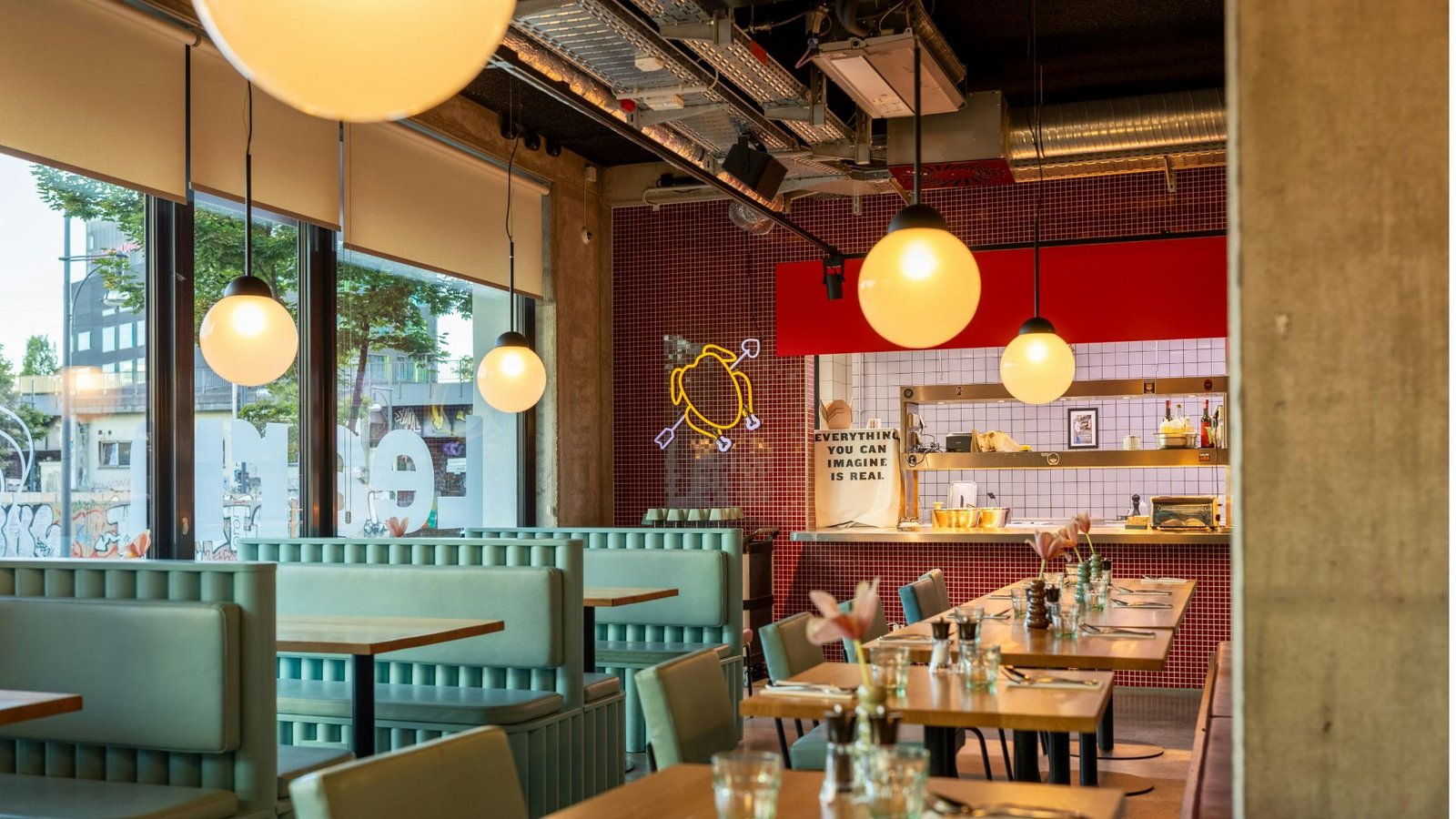
Your Merrimac restaurant’s upholstered furniture creates the atmosphere that keeps diners coming back. Whether you operate a casual family restaurant on Church Street, a fine dining establishment near Lake Attitash, or a cozy café in Merrimac’s historic downtown, clean, comfortable seating directly impacts customer satisfaction, online reviews, and your bottom line.
Restaurant upholstery endures challenges few other commercial environments face—food and beverage spills, grease accumulation, constant use by diverse clientele, and strict health code requirements. Understanding why professional upholstery cleaning is essential for restaurants helps you maintain the inviting atmosphere that distinguishes your establishment while meeting sanitation standards that protect your reputation and license.
Why Restaurant Upholstery Cleaning Is Critical
Professional restaurant upholstery cleaning is essential because: health codes require sanitary seating surfaces free from bacteria and pathogens, food and grease stains create unsightly appearance damaging your brand, odors from spills and organic matter drive customers away, accumulated soil shortens furniture lifespan requiring costly premature replacement, and unclean seating generates negative online reviews directly impacting revenue. Restaurant furniture cleaning isn’t optional maintenance—it’s a health, safety, and business imperative that professional establishments prioritize.
Merrimac restaurants that maintain pristine upholstery create competitive advantages in a market where customer experience determines success.
The Unique Challenges of Restaurant Upholstery
Restaurant seating faces contamination and wear patterns that distinguish it from residential or office furniture:
Food and Beverage Contamination
Grease and Oil: Butter, salad dressings, cooking oils transfer from plates and hands onto fabric—creating sticky buildup attracting additional soil and bacteria.
Protein Stains: Meat juices, eggs, dairy products bond with fabric fibers—require enzymatic treatment for complete removal.
Acidic Spills: Coffee, wine, soda, citrus juices bleach or stain fabrics if not treated immediately—permanent damage possible within hours.
Sugar Residue: Soft drinks, syrups, desserts leave sticky residues—attract insects and become breeding grounds for bacteria.
Sauce and Condiments: Ketchup, mustard, barbecue sauce contain pigments and oils that penetrate deep into upholstery.
Crumb Accumulation: Food particles work into crevices and seams—decompose and create odors while attracting pests.
High-Traffic Wear Patterns
Constant Use: Restaurant seating may serve 50-200+ patrons daily—far exceeding residential furniture use.
Diverse Clientele: Different body types, clothing, and personal hygiene standards accelerate wear and soil accumulation.
Variable Occupancy Duration: Quick-service restaurants see rapid turnover while fine dining experiences extend contact time.
Concentrated Contact Points: Seat centers, armrests, and chair backs show accelerated wear from repeated use patterns.
Entry Area Exposure: Booths and tables near entrances accumulate outdoor contaminants—mud, rain, snow, and street debris.
Environmental Factors
Kitchen Proximity: Dining areas near kitchens accumulate airborne grease—settles on all surfaces including upholstery.
Humidity and Temperature: Restaurant environments often warmer and more humid than typical buildings—accelerates bacterial growth and odor development.
Lighting Exposure: Window-adjacent seating suffers UV damage—fading and fiber weakening require special attention.
Cleaning Chemical Exposure: Daily table cleaning can overspray onto adjacent upholstery—some chemicals damage fabrics over time.
Health Code Requirements
Massachusetts Food Code: Requires all food contact and seating surfaces be “smooth, easily cleanable, and non-absorbent” or maintained in sanitary condition.
Inspection Standards: Health inspectors assess overall cleanliness including seating—visible soiling can result in violations.
Sanitation Documentation: Some jurisdictions require documentation of cleaning schedules—professional service receipts provide proof of compliance.
Allergen Concerns: Food allergens in upholstery pose cross-contamination risks for sensitive diners—thorough cleaning essential.
These unique challenges mean restaurant upholstery cleaning in Merrimac requires specialized expertise beyond standard residential or office cleaning approaches.
Health and Safety Implications
Unclean restaurant upholstery creates genuine health risks for patrons and legal liabilities for owners:
Bacterial Contamination
E. Coli: Transferred from improperly washed hands or contaminated food surfaces—causes severe gastrointestinal illness.
Salmonella: Can survive on fabric surfaces for extended periods—particularly dangerous in restaurants serving high-risk populations.
Staphylococcus: Common on skin but dangerous in food service environments—causes food poisoning and skin infections.
Listeria: Thrives in damp, organic-rich environments—extremely dangerous for pregnant women and immunocompromised individuals.
Norovirus: Highly contagious and can persist on fabrics—responsible for many restaurant-related illness outbreaks.
Allergen Cross-Contamination
Food Allergen Residue: Peanut proteins, shellfish allergens, and gluten particles in upholstery pose serious risks.
Cross-Contact Events: Diners with severe allergies can react to allergens left on seating by previous customers.
Liability Concerns: Restaurants can be held liable for allergic reactions caused by inadequate cleaning practices.
ADA Compliance: Must accommodate customers with disabilities including severe food allergies—requires sanitary seating.
Pest Attraction
Food Residue: Crumbs and spills attract cockroaches, ants, rodents, and other pests.
Breeding Grounds: Organic matter in upholstery provides ideal environments for pest reproduction.
Health Violations: Pest infestations result in immediate health code violations and potential closure.
Reputation Damage: Nothing destroys a restaurant’s reputation faster than visible pest problems.
Mold and Mildew Growth
Moisture Sources: Spills, high humidity, and inadequate ventilation create conditions for mold growth in cushions and backing.
Health Effects: Mold spores trigger allergies, asthma attacks, and respiratory problems—particularly dangerous in enclosed dining spaces.
Structural Damage: Mold deteriorates fabric, foam, and frame materials—necessitating expensive furniture replacement.
Odor Problems: Musty mold odors are unmistakable to customers—immediately signals unsanitary conditions.
Legal and Regulatory Risks
Health Code Violations: Can result in fines, mandatory closures, or license revocation.
Lawsuit Liability: Foodborne illness traced to unsanitary conditions creates massive legal exposure.
Insurance Implications: Some policies require documented sanitation programs—neglect can void coverage.
Reputation Damage: Health violation reports become public records—devastating to business regardless of correction.
Professional upholstery cleaning services in Merrimac help restaurants meet health standards while protecting patrons and business viability.
Impact on Customer Experience
Beyond health concerns, upholstery condition directly affects dining satisfaction:
First Impressions
Visual Assessment: Customers evaluate cleanliness within seconds of entering—stained or dirty seating immediately signals problems.
Touch Test: Diners assess chair and booth cleanliness by touch—sticky, greasy, or damp upholstery triggers disgust reactions.
Odor Detection: Musty, sour, or stale smells from upholstery override food aromas—ruins dining ambiance instantly.
Overall Perception: Seating condition influences assumptions about kitchen cleanliness—dirty chairs suggest dirty kitchens.
Comfort and Satisfaction
Physical Comfort: Clean, properly maintained upholstery provides better cushioning and support—enhances meal enjoyment.
Psychological Comfort: Visibly clean seating allows relaxation—patrons uncomfortable with seating rush meals or don’t return.
Special Occasion Impact: Celebrations and date nights demand pristine conditions—customers remember uncomfortable or unclean seating.
Duration of Stay: Comfortable, clean seating encourages longer visits—increases beverage orders and dessert sales.
Social Media and Reviews
Photo Backdrops: Diners photograph food on tables—dirty seating visible in backgrounds damages social media presence.
Review Mentions: Online reviews frequently comment on cleanliness—negative upholstery comments deter potential customers.
Rating Impact: Cleanliness significantly influences star ratings—dirty seating can tank overall scores.
Viral Potential: Particularly egregious examples can go viral on social platforms—catastrophic for business reputation.
Repeat Business
Return Likelihood: Clean, comfortable seating increases return visit probability by 40-60% according to hospitality research.
Word-of-Mouth: Positive experiences generate recommendations—negative experiences generate warnings.
Local Reputation: In small communities like Merrimac, word spreads quickly—upholstery condition affects community perception.
Customer Loyalty: Regular patrons notice changes in maintenance standards—deteriorating conditions drive defection to competitors.
Investing in professional restaurant upholstery cleaning directly improves customer satisfaction, reviews, and revenue.
Professional Cleaning Process for Restaurants
Understanding what professional service entails helps restaurant owners set expectations and schedules:
Step 1: Pre-Service Assessment
Facility Walk-Through: Examine all upholstered seating—booths, chairs, banquettes, bar stools, waiting area furniture.
Fabric Identification: Determine material types (vinyl, leather, microfiber, commercial-grade fabrics) requiring different treatments.
Contamination Level: Assess soil accumulation, stain severity, odor presence, and grease buildup.
Problem Area Identification: Note high-traffic zones, spill-prone areas, and pieces needing special attention.
Health Code Considerations: Discuss inspection history and specific sanitation requirements.
Scheduling Coordination: Plan service timing to minimize operational disruption.
Step 2: Pre-Treatment Application
Degreasing Solutions: Professional-grade degreasers break down cooking oil and butter buildup—far superior to general cleaners.
Enzymatic Treatments: Specialized enzymes digest protein-based stains (meat, dairy, eggs) and eliminate odor-causing bacteria.
Stain-Specific Products: Targeted treatments for wine, coffee, soda, sauce, and other common restaurant stains.
Dwell Time: Allow products adequate time to work (10-30 minutes depending on soil level)—rushing reduces effectiveness.
Agitation: Mechanical action drives treatments into fabric depths—loosens embedded soil and grease.
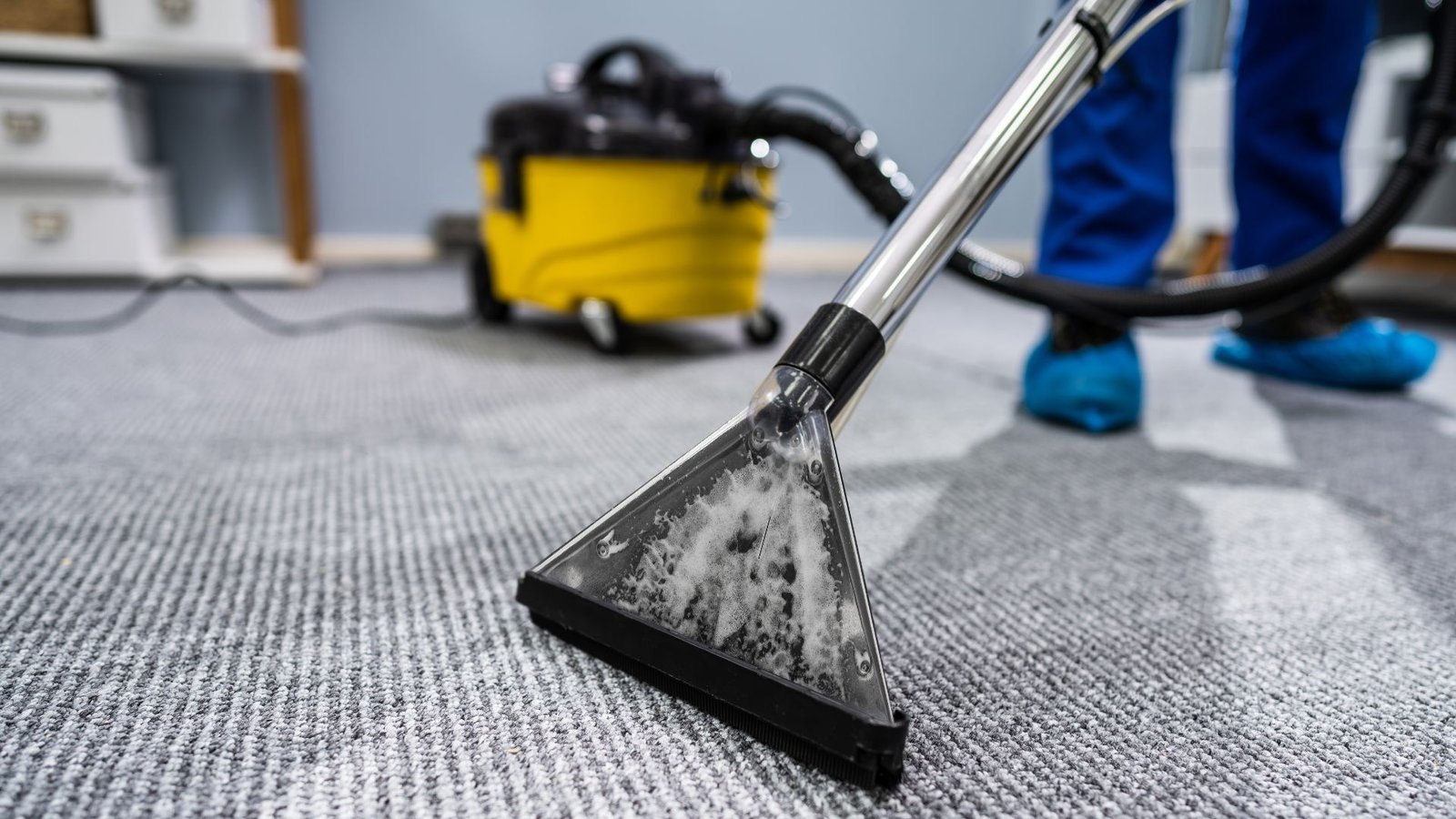
Step 3: Deep Extraction Cleaning
Hot Water Extraction: High-temperature water (180-200°F) combined with professional cleaning solutions:
- Flushes grease, food particles, and bacteria from upholstery depths
- Powerful extraction removes moisture, soil, and cleaning products
- Multiple passes ensure thorough cleaning of heavily soiled areas
- Sanitizes while cleaning—kills bacteria and pathogens
Steam Cleaning: For certain fabric types, steam provides:
- Chemical-free sanitization option
- Deep penetration into cushion cores
- Effective grease emulsification
- Quick drying due to minimal water use
Low-Moisture Methods: When rapid turnaround essential:
- Encapsulation cleaning for fabric seating
- Specialized techniques for quick-service restaurants
- 1-2 hour drying vs. 6-8 hours for extraction
- Interim maintenance between deep cleanings
Step 4: Sanitization and Deodorization
EPA-Approved Disinfectants: Food-service-safe antimicrobial treatments eliminate:
- Bacteria causing foodborne illness
- Viruses including norovirus and influenza
- Fungi and mold spores
- Allergen proteins
Odor Neutralization: Professional-grade deodorizers:
- Neutralize organic odors at molecular level (don’t just mask)
- Eliminate grease and food smells
- Prevent odor recurrence
- Safe for food service environments
Fabric Protection: Optional treatments:
- Stain-resistant coatings repel spills
- Antimicrobial protection inhibits bacterial growth
- UV protection for window-adjacent seating
- Extends time between professional cleanings
Step 5: Drying and Quality Control
Rapid Drying: Industrial air movers and dehumidifiers:
- Accelerate drying to 2-4 hours for most fabrics
- Prevent mold growth in cushions
- Allow quick return to service
- Maintain HVAC efficiency during process
Post-Cleaning Inspection: Thorough review ensuring:
- Complete stain removal or maximum improvement
- No cleaning lines or streaks
- Proper fabric texture restoration
- Sanitary condition throughout
- Customer satisfaction before departure
Documentation: Service records providing:
- Date and scope of cleaning
- Products and methods used
- Before-and-after condition notes
- Proof of sanitation for health inspections
- Recommended next service date
Professional furniture cleaning in Merrimac tailored for restaurants addresses both appearance and sanitation—maintaining health code compliance while enhancing customer experience.
Cleaning Frequency Recommendations
Optimal cleaning schedules depend on restaurant type and volume:
High-Volume Quick-Service Restaurants
Monthly Professional Cleaning: Minimum recommendation for:
- Fast food establishments
- High-turnover casual dining
- Food courts and mall locations
- Restaurants serving 200+ daily covers
Bi-Weekly for Problem Areas: Entry booths, children’s sections, and high-spill zones may need more frequent attention.
Daily Maintenance: Staff spot-cleaning between professional services.
Moderate-Volume Casual Dining
Quarterly Professional Cleaning: Standard schedule for:
- Family restaurants
- Casual dining establishments
- Mid-range ethnic restaurants
- Facilities serving 75-150 daily covers
Monthly for High-Contact Areas: Waiting area seating and bar upholstery.
Weekly Spot Treatment: Staff addresses fresh spills and visible soiling.
Fine Dining and White Tablecloth Restaurants
Bi-Annual Deep Cleaning: Often sufficient for:
- Upscale establishments with lower volume
- Restaurants with reservation-only service
- Fine dining with pristine maintenance standards
- Facilities serving under 50 daily covers
Quarterly Assessment: Professional inspection identifies needs between scheduled deep cleanings.
Immediate Treatment: High-value venues address any soiling immediately to maintain standards.
Seasonal and Special Event Venues
Pre-Season Deep Cleaning: Before opening seasonal operations.
Post-Season Treatment: Comprehensive cleaning before extended closures.
Post-Event Service: After weddings, large parties, or special events.
Monthly During Season: Regular maintenance during active months.
Bars and Nightlife Venues
Monthly Minimum: Essential for:
- High-volume bar seating
- Nightclub lounge areas
- Sports bars with food service
- Entertainment venues with dining
Bi-Weekly in Peak Season: Summer months or special event periods may require increased frequency.
Immediate Spill Response: Alcohol spills require same-day treatment to prevent permanent staining and odors.
Merrimac restaurant owners should consult with professional cleaners to develop schedules matching their specific operations—volume, cuisine type, and clientele influence optimal frequency.
Fabric Selection for Easier Maintenance
When purchasing new restaurant furniture, fabric choice dramatically impacts maintenance requirements:
Commercial-Grade Performance Fabrics
Crypton and Similar Technologies: Engineered fabrics with built-in:
- Stain resistance at fiber level (not just surface coating)
- Moisture barriers preventing liquid penetration
- Antimicrobial properties inhibiting bacterial growth
- Easy cleaning—most spills wipe away with water
- Long-lasting performance through repeated cleanings
Best For: Family restaurants, casual dining, high-volume operations.
Cost: Higher upfront ($50-100+ per yard) but lower lifetime maintenance costs.
Commercial Vinyl and Faux Leather
Advantages:
- Extremely easy cleaning—wipe with damp cloth and disinfectant
- Impervious to liquid penetration
- Long-lasting with proper care
- Available in textures mimicking real leather
- Budget-friendly options available
Disadvantages:
- Can feel hot or sticky in warm weather
- Tears and scratches difficult to repair
- Less upscale appearance than fabric
- Requires conditioning to prevent cracking
Best For: Diners, breakfast restaurants, quick-service, outdoor seating.
Genuine Leather
Advantages:
- Luxurious appearance for upscale venues
- Develops attractive patina with age
- Easy spot cleaning when properly maintained
- Very durable with professional care
- Excellent for fine dining ambiance
Disadvantages:
- Expensive initial investment
- Requires regular conditioning
- Can absorb oils and become discolored
- Professional cleaning essential
- Heat and sun exposure cause damage
Best For: Steakhouses, fine dining, executive dining areas, wine bars.
Microfiber and Performance Polyesters
Advantages:
- Soft, comfortable feel
- Stain-resistant when treated
- Durable through repeated cleanings
- More affordable than genuine leather
- Available in diverse colors and textures
Disadvantages:
- Can trap odors if not regularly cleaned
- Some types pill with heavy use
- Requires professional cleaning for best results
- Lower-quality versions wear quickly
Best For: Casual restaurants, cafés, bistros, moderate-volume dining.
Fabrics to Avoid in Restaurants
Natural Untreated Fabrics: Cotton, linen, wool without stain protection absorb liquids immediately—near-impossible to maintain in food service.
Light Colors: White, cream, pastels show every stain—require constant professional attention impractical for most budgets.
Delicate Weaves: Loosely woven or fragile fabrics snag and tear—inappropriate for commercial use.
Non-Cleanable Materials: Suede, velvet, silk, or any fabric requiring dry-cleaning only—operationally impractical for restaurants.
When selecting furniture, consult with professional upholstery cleaners Merrimac about maintainability—their expertise helps avoid costly mistakes.
Daily and Weekly Maintenance
Professional cleaning effectiveness depends on consistent interim maintenance by restaurant staff:
Daily Upholstery Care
Visual Inspection: Check all seating at opening and after each service:
- Identify fresh spills requiring immediate attention
- Note torn or damaged upholstery needing repair
- Remove food debris and crumbs
Spot Cleaning Protocol:
- Blot (never rub) fresh spills immediately with clean white cloths
- Use approved spot cleaners appropriate for fabric types
- Treat from outside edges toward centers to prevent spreading
- Document treatments for tracking purposes
Vacuuming High-Traffic Areas:
- Vacuum booth backs and seat crevices daily
- Remove food particles before they attract pests
- Use upholstery attachments—not floor vacuum heads
- Empty vacuum containers frequently in food service areas
Deodorizing:
- Apply fabric refreshers between cleanings (food-service-safe products only)
- Ensure adequate ventilation to prevent odor accumulation
- Address any unusual smells immediately—often indicate hidden problems
Weekly Deep Maintenance
Comprehensive Vacuuming:
- Remove cushions and vacuum underneath
- Clean all crevices, seams, and tufting
- Vacuum chair and booth backs thoroughly
- Include often-missed areas like bases and skirts
Detailed Inspection:
- Check structural integrity—loose screws, broken frames
- Identify stains needing professional treatment
- Note wear patterns suggesting furniture rotation needs
- Document conditions for maintenance records
Minor Treatments:
- Treat accumulated soil in high-contact areas
- Clean armrests and headrests showing body oil buildup
- Address any mildew or mold spots immediately
- Refresh fabric protection in heavily used sections
Staff Training Requirements
Product Knowledge:
- Train staff on approved cleaning products
- Teach proper dilution ratios
- Explain fabric-specific requirements
- Review safety data sheets for all chemicals
Technique Training:
- Demonstrate proper blotting vs. rubbing
- Show correct spray bottle distances
- Teach appropriate scrubbing pressure
- Practice spot cleaning on hidden areas first
Documentation Protocols:
- Maintain cleaning logs
- Record major spills and treatments
- Track problem areas needing attention
- Note when professional cleaning is needed
Health and Safety:
- Proper chemical handling and storage
- Personal protective equipment use
- Cross-contamination prevention
- Allergen awareness and protocols
Consistent daily and weekly maintenance by trained staff dramatically extends professional cleaning results—protecting your investment while maintaining sanitary conditions.
Cost-Benefit Analysis
Understanding the financial impact of professional upholstery cleaning helps justify the investment:
Direct Costs
Professional Cleaning Services:
- Average per-booth: $75-$150 depending on size and soil level
- Average per-chair: $25-$60 depending on complexity
- Typical restaurant (20-30 pieces): $800-$2,500 per cleaning
- Quarterly program: $3,200-$10,000 annually
Furniture Replacement Without Regular Cleaning:
- Average booth replacement: $2,000-$5,000 per booth
- Average commercial chair: $150-$500 each
- Typical restaurant refurnishing: $30,000-$100,000+
- Frequency without professional cleaning: Every 3-5 years
- Frequency with professional cleaning: Every 8-12 years
Cost Avoidance
Extended Furniture Life:
- Professional cleaning adds 5-7 years to upholstery lifespan
- Delayed replacement of 20 booths at $3,000 each = $60,000 saved
- Annual cleaning cost of $5,000 × 7 years = $35,000 invested
- Net savings: $25,000 over furniture lifecycle
Health Violation Prevention:
- Single health code violation fine: $200-$1,000
- Mandated closure for remediation: $2,000-$10,000 in lost revenue daily
- Legal fees if contested: $5,000-$20,000+
- Professional cleaning preventing violations: Priceless
Reputation Protection:
- Negative review impact: 22% reduction in revenue per one-star decrease (Harvard Business School research)
- Single viral social media post about dirty seating: Potentially devastating
- Cost to repair reputation damage: $10,000-$50,000 in marketing and discounts
- Professional cleaning maintaining positive reviews: Essential investment
Revenue Enhancement
Increased Customer Satisfaction:
- Clean, comfortable seating increases dwell time by 15-25%
- Longer visits correlate with 20-30% higher per-check averages
- For $50,000 monthly revenue restaurant: $10,000-$15,000 additional annual revenue
Improved Online Ratings:
- One-star rating increase generates 5-9% revenue increase
- For average Merrimac restaurant: $15,000-$30,000 additional annual revenue
- Professional upholstery maintenance contributes to overall cleanliness perception
Enhanced Ambiance:
- Upscale appearance supports premium pricing
- Clean environment justifies 10-15% higher menu prices
- For $40,000 monthly revenue: $48,000-$72,000 additional annual revenue
Competitive Advantage:
- Merrimac’s restaurant market is competitive
- Superior cleanliness differentiates establishments
- Customer loyalty increases with consistent quality standards
Total Annual ROI: For investment of $3,200-$10,000 in professional cleaning, typical restaurant realizes $73,000-$132,000 in combined cost avoidance and revenue enhancement—return of 7:1 to 13:1.
Professional sofa and couch cleaning Merrimac for restaurants isn’t an expense—it’s a high-return investment in business sustainability and growth.
Choosing the Right Cleaning Provider
Not all upholstery cleaning services understand restaurant-specific requirements:
Essential Qualifications
Food Service Experience: Provider must demonstrate:
- Regular work with restaurants and hospitality venues
- Understanding of health code requirements
- Knowledge of food-service-safe cleaning products
- Familiarity with commercial fabric types
- References from other Merrimac or regional restaurants
Proper Licensing and Insurance:
- Commercial cleaning license
- General liability insurance ($2 million minimum for restaurants)
- Workers’ compensation coverage
- Food-service industry experience documentation
Flexible Scheduling:
- Ability to work after-hours (nights, early mornings)
- Service during closed days
- Emergency response for major spills or contamination
- Coordination with restaurant schedule and reservations
Appropriate Equipment:
- Commercial-grade extraction systems
- Sanitization and disinfection capability
- Rapid-drying technology
- Portable equipment for on-site service
Product Knowledge:
- EPA-approved disinfectants for food service
- Non-toxic, food-safe cleaning solutions
- Enzymatic treatments for protein and grease
- Fabric-specific product selection
Questions to Ask Potential Providers
- How many restaurants do you currently service in the Merrimac area?
- Can you provide references from food service establishments?
- What products do you use and are they food-service safe?
- How do you address grease and oil accumulation?
- What is your typical drying time for restaurant seating?
- Can you work after-hours to avoid business disruption?
- Do you provide documentation for health inspection purposes?
- What is your process for handling allergen concerns?
- How do you sanitize upholstery to health code standards?
- What guarantees do you offer on your work?
Red Flags
Residential-Only Experience: Cleaning homes differs dramatically from restaurants—lack of commercial experience indicates inadequate expertise.
No Food-Service References: Inability to provide restaurant references suggests limited relevant experience.
Inflexible Scheduling: Providers unwilling to accommodate restaurant hours will disrupt operations.
Vague Sanitation Processes: Can’t explain specific sanitization methods or products used.
No Written Estimates: Professional services provide detailed written quotes—verbal-only suggests unprofessional operations.
Pressure Tactics: Demanding immediate decisions or “today only” pricing indicates poor business practices.
Inadequate Insurance: Coverage insufficient for restaurant environments exposes you to liability.
Take time selecting the right provider—your restaurant’s reputation and health code compliance depend on quality service.
Special Considerations for Different Restaurant Types
Customizing upholstery maintenance to your establishment type:
Family Restaurants
Challenges: Children’s spills and messes, high-volume traffic, diverse food types.
Solutions: Monthly professional cleaning minimum, stain-resistant fabric selection, immediate spill response protocols, dedicated children’s section maintenance.
Fine Dining
Challenges: Maintaining pristine appearance, wine stains, high customer expectations.
Solutions: Quarterly professional deep cleaning, weekly professional spot treatment, premium fabric selection, meticulous daily maintenance, white-glove service standards.
Breakfast and Brunch Venues
Challenges: Syrup and butter stains, coffee spills, egg and bacon grease.
Solutions: Bi-weekly to monthly professional cleaning, vinyl or performance fabric selection, enzyme treatments for protein stains, daily degreasing of high-contact surfaces.
Pizza and Italian Restaurants
Challenges: Tomato sauce stains, olive oil accumulation, garlic and herb odors.
Solutions: Monthly professional cleaning, immediate acidic stain treatment, regular deodorization, grease-resistant fabric treatments.
Bars and Pubs
Challenges: Alcohol spills, late-night heavy use, potential vandalism.
Solutions: Bi-weekly to monthly cleaning during busy seasons, durable vinyl or leather selection, immediate alcohol spill treatment, odor neutralization, damage inspection and repair.
Ethnic Restaurants (Asian, Mexican, Indian, etc.)
Challenges: Cuisine-specific stains (curry, salsa, soy sauce), aromatic spice odors, diverse sauce types.
Solutions: Monthly professional cleaning, culturally appropriate fabric colors hiding stains, regular deodorization, cuisine-specific stain treatment expertise.
Seafood Restaurants
Challenges: Fish oils and odors, butter sauce accumulation, allergen concerns.
Solutions: Monthly professional cleaning minimum, impermeable fabric selection, enzymatic treatments for protein and oils, aggressive odor control, allergen elimination protocols.
Each restaurant type benefits from customized cleaning approaches addressing specific contamination patterns and customer expectations.
Create a Maintenance Plan
Systematic approach ensures consistent upholstery care:
Assessment Phase
Current Condition Evaluation:
- Document existing upholstery condition with photos
- Identify pieces needing immediate attention
- Note any damaged or beyond-repair items
- Assess overall soil and stain levels
Usage Pattern Analysis:
- Identify highest-traffic seating
- Note areas with most frequent spills
- Determine peak business times affecting cleaning schedules
- Evaluate seasonal variations
Budget Planning:
- Establish annual upholstery maintenance budget
- Allocate resources for professional cleaning
- Plan for eventual replacement needs
- Consider contract pricing vs. per-service costs
Implementation Phase
Schedule Development:
- Set professional cleaning frequency based on volume and type
- Establish daily staff maintenance protocols
- Create weekly deep-cleaning schedules
- Plan seasonal deep-cleaning initiatives
Staff Training:
- Teach proper spot-cleaning techniques
- Provide approved product lists
- Demonstrate inspection procedures
- Explain documentation requirements
Vendor Selection:
- Research qualified upholstery cleaning providers
- Obtain multiple quotes and references
- Select provider best matching restaurant needs
- Establish service agreement or contract
Monitoring Phase
Performance Tracking:
- Maintain cleaning logs and service records
- Document customer feedback on comfort and cleanliness
- Track health inspection results related to seating
- Monitor online review mentions of cleanliness
Adjustment:
- Increase cleaning frequency if needed
- Modify techniques based on results
- Update products as better options emerge
- Refine staff protocols based on effectiveness
Regular Review:
- Quarterly assessment of maintenance program effectiveness
- Annual comprehensive evaluation
- Budget review and adjustment
- Vendor performance evaluation
Systematic maintenance programs protect investments, ensure health code compliance, and maintain customer satisfaction—essential for long-term restaurant success in Merrimac’s competitive market.
Your Restaurant’s Success Depends on Details
In Merrimac’s close-knit community, restaurant reputations spread quickly through word-of-mouth and online reviews. Every detail of the dining experience matters—from food quality and service to the comfort and cleanliness of seating. Upholstery condition significantly influences customer satisfaction, return visits, and recommendations that drive sustainable success.
Professional restaurant upholstery cleaning isn’t optional maintenance—it’s essential investment in health code compliance, customer experience, and business viability. From family restaurants on Church Street to fine dining establishments near Lake Attitash, Merrimac restaurants that prioritize upholstery care create competitive advantages that directly impact profitability.
Don’t wait for health violations, negative reviews, or customer complaints to address upholstery maintenance. Partner with qualified professionals who understand restaurant-specific challenges and deliver sanitation standards that protect your patrons, your reputation, and your investment in creating the welcoming atmosphere that keeps customers coming back.
Your restaurant’s comfort begins with clean seating—make professional upholstery maintenance a priority today.