
Carpet Cleaning for Allergy Relief in North Shore, MA Homes

Living on Massachusetts’ beautiful North Shore—from the coastal communities of Marblehead and Swampscott to the historic towns of Salem and Newburyport—offers stunning scenery, rich history, and tight-knit communities. But for the millions of Americans suffering from allergies and asthma, your North Shore home’s carpets may be silently undermining your health and comfort every single day.
If you find yourself sneezing more indoors than out, waking with congestion, or struggling with respiratory symptoms that improve when you leave home, your carpets likely harbor the allergens triggering these miserable reactions. Understanding the connection between carpet cleanliness and allergy relief empowers you to reclaim your health and transform your North Shore home into the sanctuary it should be.
How Carpets Affect Allergies and Respiratory Health
Carpets impact allergies because they trap and accumulate: dust mites (microscopic insects feeding on dead skin cells), pet dander from cats and dogs, pollen tracked indoors from North Shore’s seasonal blooms, mold spores thriving in humid coastal climate, and bacteria releasing allergenic proteins as they multiply. A single square yard of carpet can harbor up to 200,000 bacteria and millions of dust mites—creating an allergen reservoir that continuously releases particles into the air you breathe, triggering sneezing, congestion, itchy eyes, respiratory distress, and asthma attacks.
Professional carpet cleaning removes these hidden allergens that regular vacuuming cannot reach, providing dramatic relief for allergy sufferers throughout North Shore communities.
Common Allergens Hiding in North Shore Carpets
Understanding what’s living in your carpets explains why cleaning provides such significant relief:
Dust Mites
What They Are:
- Microscopic arachnids (relatives of spiders and ticks)
- Invisible to naked eye—require 10x magnification to see
- Feed on dead human and pet skin cells
- Thrive in warm, humid environments
- Each dust mite produces 20+ waste pellets daily
Why They’re Problematic:
- Waste pellets contain proteins triggering allergic reactions
- Decomposing mite bodies also highly allergenic
- Can cause year-round allergy symptoms
- Major trigger for asthma attacks
- Particularly problematic in bedrooms and living areas
North Shore Factors:
- Coastal humidity creates ideal conditions for dust mites
- Homes near water have higher humidity levels
- Historic homes with limited ventilation compound problems
- Heating systems during New England winters increase indoor humidity
Carpet Concentration:
- Typical carpet contains 100-1,000 dust mites per square gram
- Heavily infested carpets: 10,000+ mites per square gram
- One dust mite produces 200 times its body weight in waste
- Carpets provide perfect habitat—warmth, humidity, food source
Pet Dander
Understanding Pet Allergens:
- Proteins in pet skin flakes (dander), saliva, and urine
- Extremely lightweight—remains airborne for hours
- Sticky—adheres to surfaces including carpet fibers
- Cumulative—builds up over time even with regular cleaning
- Affects approximately 10% of U.S. population
Sources in Carpets:
- Direct contact from pets lying on carpets
- Saliva transferred during grooming
- Urine accidents (especially cats)
- Shed hair carrying dander throughout home
- Outdoor allergens brought in on pet fur
Persistence:
- Can remain in homes for months after pet removal
- Regular vacuuming removes only surface dander
- Deep carpet fibers and padding harbor concentrated allergens
- HVAC systems circulate dander throughout home
North Shore Pet Ownership:
- High pet ownership rates across North Shore communities
- Dog-friendly beaches and parks mean frequent indoor/outdoor transitions
- Coastal living means pets bring in additional environmental allergens
- Multi-pet households compound dander accumulation
Pollen
Seasonal Allergens:
- Tree pollen (spring): Oak, maple, birch abundant in North Shore
- Grass pollen (summer): Lawns and fields throughout region
- Weed pollen (fall): Ragweed particularly problematic
- Year-round with mild winters
How Pollen Enters Homes:
- Tracked on shoes and clothing
- Carried on pet fur
- Enters through open windows
- Adheres to outdoor items brought inside
- Blown in through HVAC systems
Carpet Accumulation:
- Pollen settles into carpet fibers
- Remains allergenic for extended periods
- Walking on carpets releases pollen into air
- Creates indoor symptoms matching outdoor allergies
- Particularly concentrated near entrances
North Shore Pollen Challenges:
- Diverse tree species create extended pollen seasons
- Coastal winds spread pollen widely
- Historic neighborhoods with mature trees produce heavy pollen
- Gardens and landscaping add to pollen load
Mold Spores
Indoor Mold Growth:
- Thrives in damp, humid conditions
- Feeds on organic matter in carpet fibers
- Releases spores triggering allergies and asthma
- Can grow in carpet backing and padding
- Often invisible until extensive growth occurs
North Shore Vulnerability:
- Coastal humidity creates ideal mold conditions
- Nor’easters and storms bring moisture infiltration
- Older homes may have moisture management issues
- Basements particularly susceptible
- Limited sunlight in wooded areas prevents drying
Carpet-Specific Concerns:
- Spills not properly dried enable mold growth
- Carpet padding retains moisture
- Humid summers without adequate dehumidification
- Flooding or water damage creating long-term problems
- Pet accidents providing moisture and nutrients
Health Impacts:
- Triggers allergic reactions—sneezing, congestion, eyes
- Exacerbates asthma
- Can cause infections in immunocompromised individuals
- Creates musty odors indicating problem
- Some molds produce mycotoxins with serious health effects
Bacteria and Microorganisms
Bacterial Contamination:
- E. coli from fecal matter (pet accidents, tracked from outdoors)
- Staphylococcus from skin contact
- Salmonella from food contamination
- Various environmental bacteria
Sources:
- Outdoor dirt and contaminants tracked indoors
- Pet waste and accidents
- Food and beverage spills
- Body contact transferring bacteria
- Humid conditions enabling bacterial growth
Allergenic Properties:
- Bacterial proteins trigger immune responses
- Decomposing bacteria release allergenic compounds
- Bacterial waste products irritate respiratory systems
- Creates environment for additional allergen accumulation
Understanding what’s hiding in your North Shore home’s carpets underscores why professional residential carpet cleaning in North Shore delivers such dramatic allergy relief—surface cleaning alone cannot address these deep-seated contamination sources.
How Professional Carpet Cleaning Provides Allergy Relief
Unlike vacuuming or DIY cleaning attempts, professional services address allergens at every level:
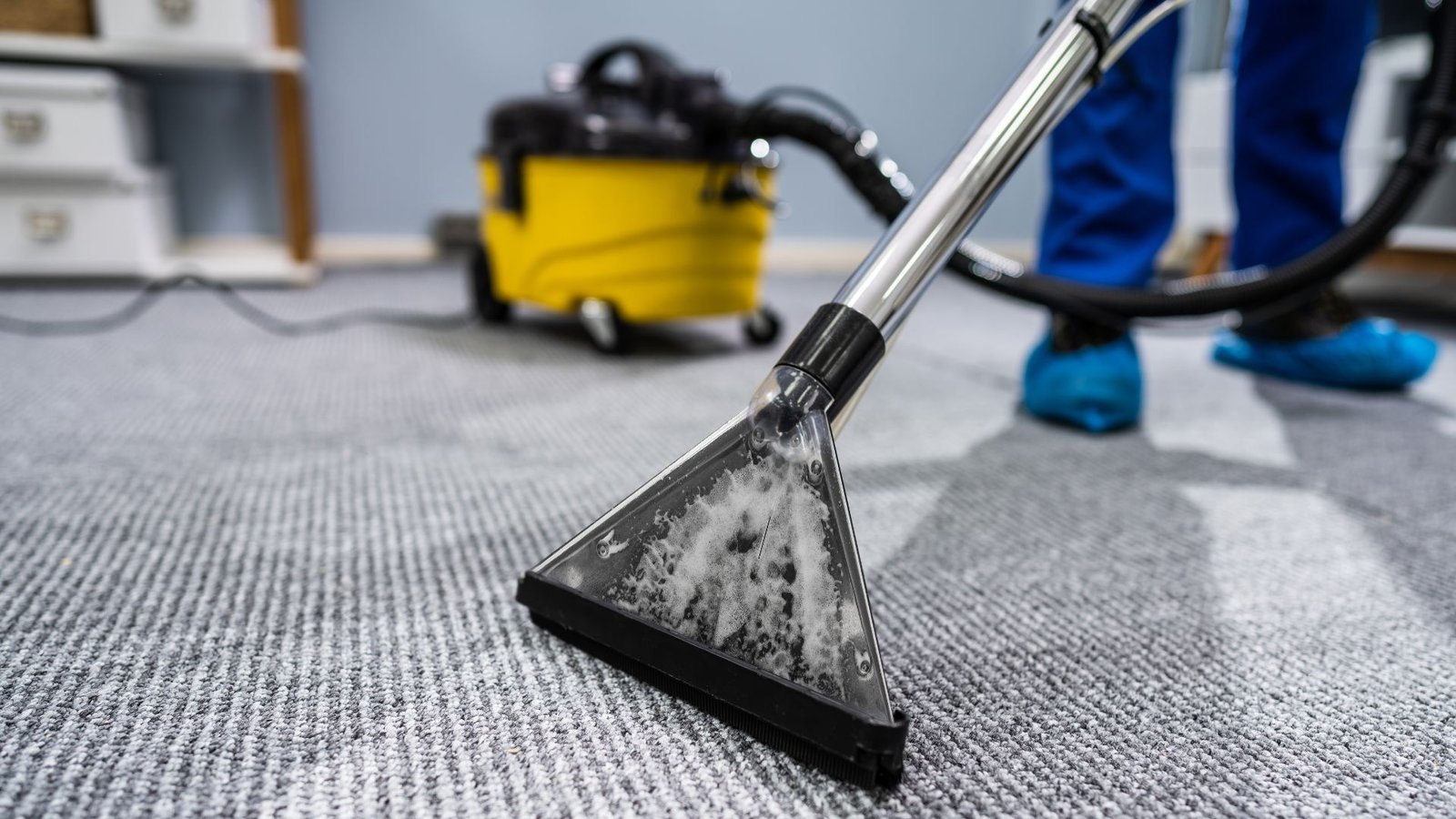
Hot Water Extraction (Steam Cleaning)
The Process:
- Water heated to 180-200°F injected deep into carpet
- High temperature kills dust mites and bacteria
- Cleaning solutions break down allergen proteins
- Powerful extraction removes water, allergens, and contaminants
- Reaches carpet backing and padding where allergens accumulate
Allergen Removal Effectiveness:
- Removes 95%+ of allergens when properly performed
- Kills dust mites through heat exposure
- Extracts mold spores and bacteria
- Removes pet dander from fiber depths
- Eliminates pollen and environmental allergens
Why It Works for Allergies:
- Heat denatures allergen proteins—reduces allergenic potential
- Extraction physically removes allergen sources
- Deep penetration addresses entire carpet system
- Professional products target specific allergens
- Thorough process leaves minimal residue
HEPA Filtration
Professional Equipment:
- High-Efficiency Particulate Air (HEPA) filters
- Capture 99.97% of particles 0.3 microns or larger
- Prevent extracted allergens from re-entering air
- Essential for allergy sufferers
Importance:
- Vacuums without HEPA release allergens back into air
- Professional equipment contains captured contaminants
- Protects indoor air quality during cleaning
- Prevents cross-contamination between rooms
Antimicrobial Treatments
Optional Add-On Services:
- EPA-approved antimicrobial products
- Kill bacteria, mold, and dust mites
- Provide residual protection between cleanings
- Safe when dry—no toxic residues
Benefits for Allergy Sufferers:
- Reduces allergen-producing organism populations
- Slows allergen accumulation between cleanings
- Particularly valuable in humid North Shore climate
- Extends relief period from professional cleaning
Low-Moisture Alternatives
Encapsulation Cleaning:
- Uses minimal water—ideal for mold concerns
- Fast drying (1-2 hours) prevents mold growth
- Polymer crystals trap and encapsulate allergens
- Vacuumed away with trapped contaminants
When Appropriate:
- Homes with previous mold issues
- High humidity environments
- Rapid turnaround requirements
- Interim maintenance between deep cleanings
Allergy Benefits:
- Prevents moisture-related mold growth
- Effective allergen encapsulation and removal
- Reduces dust mite habitat by controlling moisture
- Suitable for frequent maintenance cleaning
Professional residential carpet cleaning services in North Shore understand allergy-specific requirements and customize approaches maximizing relief while protecting your home.
Immediate and Long-Term Health Benefits
Allergy sufferers notice dramatic improvements following professional carpet cleaning:
Immediate Relief (Within 24-48 Hours)
Respiratory Improvements:
- Reduced sneezing and nasal congestion
- Easier breathing and less chest tightness
- Decreased coughing, especially at night
- Clearer sinuses and reduced post-nasal drip
- Improved sleep quality without nighttime symptoms
Physical Symptom Reduction:
- Less itchy, watery eyes
- Reduced skin irritation and rashes
- Decreased headaches related to sinus pressure
- More energy from better sleep
- Improved focus and concentration
Quality of Life:
- Enjoying home without constant discomfort
- Reduced reliance on antihistamines and medications
- Better sleep leading to improved daytime function
- Ability to have guests without embarrassment about allergens
- Mental health benefits from physical comfort
Long-Term Benefits (With Regular Cleaning)
Sustained Symptom Control:
- Consistent allergy relief rather than seasonal suffering
- Reduced frequency and severity of asthma attacks
- Less medication dependency
- Improved lung function over time
- Prevention of chronic respiratory issues
Financial Savings:
- Reduced spending on allergy medications
- Fewer doctor visits and prescriptions
- Decreased emergency room visits for asthma
- Lower healthcare costs overall
- Potentially reduced insurance premiums
Family Health:
- Children develop in healthier environment
- Elderly family members breathe easier
- Pregnant women avoid allergen exposure
- Visitors with allergies feel comfortable
- Pets benefit from cleaner environment too
Clinical Research Support
Scientific Evidence:
- Studies show professional carpet cleaning reduces allergen levels by 85-95%
- Asthma attack frequency decreases significantly with regular cleaning
- Sleep quality improvements documented in multiple studies
- Indoor air quality dramatically improves post-cleaning
- Long-term health outcomes better with maintained carpets
For North Shore residents suffering from allergies, the health improvements from professional carpet cleaning often exceed expectations—transforming daily life from constant discomfort to genuine relief.
Frequency Recommendations for Allergy Sufferers
Standard cleaning schedules aren’t sufficient for homes with allergy or asthma concerns:
General Population Recommendations
Typical Households:
- Professional cleaning every 12-18 months
- Based on appearance and general maintenance
- Adequate for homes without health concerns
Allergy Sufferer Modifications
Mild Allergies:
- Professional cleaning every 6-9 months
- Focus on bedrooms and main living areas
- Seasonal cleaning before peak allergy periods
Moderate to Severe Allergies:
- Professional cleaning every 3-6 months
- Comprehensive whole-house treatment
- Quarterly maintenance for best results
- Consider low-moisture interim cleanings between deep extractions
Asthma Sufferers:
- Professional cleaning every 3-4 months minimum
- Prioritize bedrooms where most time spent sleeping
- Immediate cleaning after any mold or water exposure
- Consider monthly spot treatments for high-traffic areas
Multiple Allergy Triggers:
- Professional cleaning every 3 months
- Combination of deep extraction and low-moisture maintenance
- Year-round schedule rather than seasonal
- Aggressive approach prevents symptom escalation
Pet Ownership Adjustments
With Dogs or Cats:
- Increase cleaning frequency by 50-100%
- Mild allergies + pets: Every 4-6 months
- Moderate allergies + pets: Every 2-3 months
- Severe allergies + pets: Monthly professional treatment
Multiple Pets:
- Consider bi-monthly professional cleaning
- Combine with weekly deep vacuuming
- Use HEPA vacuum daily in pet areas
- Pet-specific enzymatic treatments between professional cleanings
Seasonal Considerations for North Shore
Spring Cleaning (April-May):
- Remove winter dust and heating season accumulation
- Prepare for pollen season with clean baseline
- Reduce mold spores before humid summer
Fall Cleaning (September-October):
- Remove summer dust, humidity-related growth
- Prepare for heating season and closed-home winter
- Address ragweed pollen before it gets deeply embedded
Additional Mid-Season:
- Summer (July) for severe allergy sufferers
- Winter (January) for heated home allergen control
- After any flooding, water damage, or unusual moisture events
Life Event Triggers
Immediate Cleaning Needed:
- After home flooding or water damage
- Following renovation or construction projects
- Before bringing new baby home
- After prolonged vacancy (vacation homes)
- When moving into previously occupied home
- Following pest infestations
Work with house carpet cleaning in North Shore professionals to develop personalized schedules matching your specific allergy profile and lifestyle—cookie-cutter approaches don’t address individual health needs.
Between-Cleaning Maintenance for Allergy Control
Professional cleaning provides foundation, but daily habits extend benefits:
Daily Practices
Vacuuming:
- Use vacuum with HEPA filtration (essential—regular vacuums release allergens)
- Vacuum high-traffic areas daily
- Use slow, overlapping passes for effectiveness
- Empty bag/canister frequently outside home
- Clean or replace filters monthly
Entry Control:
- Remove shoes at door—dramatic allergen reduction
- Use entry mats both outside and inside doors
- Clean mats weekly
- Consider mudroom or entry area with hard flooring
Pet Management:
- Wipe pet paws after outdoor time
- Brush pets outdoors to remove loose dander
- Wash pet bedding weekly in hot water
- Keep pets off furniture if possible
- Bath pets regularly (weekly if possible)
Weekly Tasks
Deep Vacuuming:
- Vacuum all carpeted areas thoroughly
- Use crevice tools along baseboards and corners
- Vacuum upholstered furniture
- Don’t forget stairs and hallways
Humidity Control:
- Monitor indoor humidity levels
- Keep between 30-50% (below 50% prevents dust mites)
- Use dehumidifiers in humid North Shore summers
- Run bathroom fans during and after showers
- Address any moisture sources immediately
Spot Cleaning:
- Address spills immediately to prevent mold growth
- Blot (never rub) with clean white towels
- Dry thoroughly with fans if needed
- Use moisture meter to ensure complete drying
Monthly Maintenance
HEPA Filter Changes:
- Replace vacuum HEPA filters per manufacturer recommendations
- Change HVAC filters (use MERV 11-13 for allergies)
- Clean reusable filters thoroughly
Air Quality:
- Run HEPA air purifiers continuously in bedrooms
- Clean air purifier pre-filters monthly
- Open windows on low-pollen days for ventilation
- Consider whole-house air filtration systems
Deep Spot Treatment:
- Target high-traffic areas showing wear
- Use enzymatic cleaners for pet areas
- Address any odors immediately
- Check under furniture for hidden issues
Seasonal Tasks
Spring:
- Deep clean entry areas after winter salt and mud
- Address any winter moisture issues
- Prepare for pollen season with barrier strategies
- Schedule professional cleaning
Summer:
- Monitor for mold in humid conditions
- Increase dehumidifier use
- Check basement and lower-level carpets for dampness
- Address any musty odors immediately
Fall:
- Remove summer dust before heating season
- Inspect for pest evidence before winter
- Schedule professional cleaning before holidays
- Prepare for closed-house winter months
Winter:
- Control heating-related dry air (but not too humid)
- Address salt and de-icer tracked indoors daily
- Monitor for static indicating low humidity
- Maintain consistent indoor temperatures
Combining professional home carpet cleaning in North Shore with diligent home maintenance creates comprehensive allergy control exceeding either approach alone.
Special Considerations for North Shore Homes
Regional factors affect carpet allergen management:
Coastal Climate Challenges
High Humidity:
- Ocean proximity creates humid conditions
- Ideal for dust mites and mold growth
- Requires aggressive moisture management
- Professional cleaning removes mold spores before they proliferate
Salt Air:
- Corrosive to some carpet backing materials
- Creates sticky surface attracting allergens
- Requires specialized cleaning approaches
- Affects carpet longevity without proper care
Nor’easters and Storms:
- Potential for water infiltration
- Flooding risks in coastal areas
- Immediate professional extraction crucial
- Mold prevention requires rapid response
Historic Home Considerations
Older Construction:
- Many North Shore homes date to 18th-19th centuries
- Limited vapor barriers enabling moisture issues
- Original ventilation systems inadequate for modern living
- Basement dampness common
Renovation Impacts:
- Construction dust contains allergens and irritants
- Post-renovation professional cleaning essential
- Dust penetrates everywhere during work
- Months of deep cleaning sometimes needed
Seasonal Allergen Patterns
Spring (March-May):
- Tree pollen peaks
- Oak, maple, birch heavily represented on North Shore
- Carried indoors on clothing, shoes, pets
- Professional cleaning removes accumulated winter + incoming spring allergens
Summer (June-August):
- Grass pollen abundant
- Humidity enables mold growth
- Increased outdoor activity tracks more allergens inside
- Mid-summer cleaning addresses accumulation
Fall (September-November):
- Ragweed pollen extremely problematic
- Leaf mold as foliage decomposes
- Preparation for heating season
- Critical cleaning period before winter isolation
Winter (December-February):
- Homes sealed tight—allergen concentration
- Heating systems circulate trapped allergens
- Dust accumulation from forced air
- Less frequent cleaning due to drying challenges but still necessary
Community-Specific Factors
Salem, Marblehead, Beverly:
- High historic home concentration
- Coastal humidity very pronounced
- Tourist traffic in some areas increases allergen introduction
- Mix of historic and newer construction
- Agricultural areas add pollen sources
- River and marsh areas contribute humidity
- More suburban with moderate humidity
- Significant tree coverage creating pollen
- Mix of housing types and ages
Lynn, Swampscott, Nahant:
- Direct ocean exposure—maximum humidity
- Urban environment adds pollution particles
- Diverse housing stock requires varied approaches
Understanding your specific North Shore location helps professionals customize carpet cleaning for homes in North Shore approaches addressing your unique allergen challenges.
Choosing Allergy-Focused Carpet Cleaning Services
Not all carpet cleaners understand allergy-specific requirements:
Essential Qualifications
HEPA Equipment:
- All equipment must use HEPA filtration
- Prevents allergen re-circulation during cleaning
- Ask specifically—many services lack HEPA capability
- Deal-breaker for allergy sufferers
Hot Water Extraction Capability:
- Truck-mounted systems preferred (most powerful)
- Temperature must reach 180°F minimum for dust mite elimination
- Adequate extraction power to remove moisture
- Multiple passes in allergen-concentrated areas
Allergen-Specific Training:
- Understanding of allergen types and behavior
- Knowledge of effective removal techniques
- Familiarity with asthma and allergy triggers
- Ability to customize approach based on specific sensitivities
Low-Toxicity Products:
- Fragrance-free options for chemical sensitivities
- Hypoallergenic cleaning solutions
- EPA-approved antimicrobials when needed
- Minimal residue left after cleaning
Questions to Ask Providers
- Do you use HEPA filtration on all equipment?
- Can you reach 180°F+ water temperature?
- What allergen removal rate do you achieve?
- Do you offer fragrance-free cleaning products?
- Can you provide references from other allergy sufferers?
- How do you handle dust mite elimination?
- What antimicrobial treatments do you offer?
- How long is typical drying time? (Faster = better for mold prevention)
- Do you have experience with asthma patients?
- Can you customize approach for specific allergies?
Red Flags
Avoid Services That:
- Cannot explain their allergen removal process
- Use only consumer-grade equipment
- Don’t offer HEPA filtration
- Promise “chemical-free” cleaning (water alone is insufficient)
- Have no experience with allergy or asthma clients
- Cannot provide references from medical practices or allergy sufferers
- Use heavily fragranced products without alternatives
- Lack proper insurance and certification
Certifications to Look For
IICRC Certification:
- Institute of Inspection, Cleaning and Restoration Certification
- Industry gold standard
- Demonstrates professional training and competency
Indoor Air Quality Certification:
- Specialized training in IAQ issues
- Understanding of health impacts
- Appropriate for allergy-focused work
Asthma & Allergy Friendly® Certification:
- Program certifying products and services meeting strict standards
- Not common for service providers but valuable if available
Local Expertise
North Shore Knowledge:
- Understanding of regional allergen challenges
- Experience with historic home issues
- Familiarity with coastal climate factors
- Connections with local allergists and respiratory specialists
Choose professional home carpet cleaning North Shore providers who view your health needs as seriously as you do—expertise matters when managing allergies and asthma.
Beyond Carpets: Comprehensive Allergy Management
While carpets are major allergen reservoirs, comprehensive approaches include:
Additional Cleaning Services
Upholstery Cleaning:
- Furniture harbors similar allergens as carpets
- Professional cleaning every 12-18 months
- Focus on frequently used pieces
- Combine with carpet cleaning for maximum impact
Air Duct Cleaning:
- HVAC systems circulate allergens throughout home
- Cleaning removes accumulated dust, mold, dander
- Particularly important with forced-air heating
- Every 3-5 years or when visibly contaminated
Drape and Blind Cleaning:
- Window treatments trap pollen and dust
- Professional cleaning or replacement
- Consider washable alternatives
- Seasonal cleaning at minimum
Environmental Controls
Flooring Choices:
- Hard surface flooring (hardwood, tile, laminate) easier to keep allergen-free
- Consider replacing carpet in bedrooms if severe allergies
- Area rugs on hard surfaces easier to clean thoroughly
- Transition gradually if full replacement cost-prohibitive
Air Purification:
- HEPA air purifiers in bedrooms essential
- Whole-house filtration systems ideal
- Change filters regularly (monthly during high-use)
- Run continuously for best results
Humidity Management:
- Dehumidifiers in basements and humid areas
- Exhaust fans in bathrooms and kitchens
- Address moisture sources immediately
- Monitor with hygrometers (target 30-50%)
Medical Collaboration
Work With Healthcare Providers:
- Allergists can identify specific triggers
- Pulmonologists for asthma management
- Environmental medicine specialists
- Coordinate home interventions with medical treatment
Allergy Testing:
- Skin or blood tests identify specific allergens
- Allows targeted approach to removal
- Guides prioritization of cleaning efforts
- Confirms improvement after interventions
Documentation:
- Track symptom severity before and after cleaning
- Photograph visible allergen sources
- Maintain records of cleaning schedule and methods
- Share with healthcare providers assessing treatment effectiveness
Professional carpet cleaning represents one crucial component of comprehensive allergy management—but when combined with other interventions, delivers life-changing relief.
Real-Life Success Stories
North Shore residents consistently report dramatic improvements:
Case Study 1: Salem Family with Asthmatic Child
Situation:
- 7-year-old with severe asthma
- Multiple ER visits annually
- Daily medication despite symptoms
- Parents considering moving
Intervention:
- Professional carpet cleaning every 3 months
- HEPA vacuum purchased
- Shoe removal policy implemented
- Pet kept off carpets
Results:
- ER visits reduced from 8/year to 1/year
- Reduced daily medication dose
- Child able to participate in sports
- Family relieved to stay in beloved home
Case Study 2: Marblehead Couple with Seasonal Allergies
Situation:
- Both adults suffered spring/fall allergies
- Symptoms worse indoors than out
- Constant antihistamine use
- Poor sleep quality
Intervention:
- Bi-annual professional carpet cleaning (spring/fall)
- HEPA air purifiers in bedrooms
- Weekly vacuuming with HEPA vacuum
- Entry mats and shoe removal
Results:
- 70% reduction in indoor allergy symptoms
- Antihistamine use cut in half
- Sleep quality dramatically improved
- Able to enjoy home during allergy seasons
Case Study 3: Newburyport Historic Home
Situation:
- 18th-century home with original carpets
- Persistent musty odor
- Multiple family members with respiratory complaints
- Suspected mold but couldn’t locate source
Intervention:
- Professional assessment found mold in carpet padding
- Complete carpet and padding removal in affected areas
- Professional cleaning of remaining carpets
- Dehumidifiers installed
Results:
- Odor eliminated
- Respiratory symptoms resolved
- Indoor air quality testing showed dramatic improvement
- Family health restored
These real examples demonstrate the transformative potential of professional carpet cleaning for allergy and asthma sufferers throughout North Shore communities.
Take Control of Your Indoor Air Quality
If you’re among the millions of North Shore residents suffering from allergies, asthma, or unexplained respiratory symptoms, your carpets may be the hidden culprit keeping you from enjoying the comfort of your own home. The allergens accumulating in your carpet fibers—dust mites, pet dander, pollen, mold spores, and bacteria—create a continuous exposure that undermines your health and quality of life every single day.
Professional carpet cleaning offers genuine, measurable relief that transforms daily life from constant discomfort to comfortable breathing. From the immediate improvement in symptoms within 24-48 hours to the long-term health benefits of regular maintenance, investing in professional cleaning delivers returns far exceeding the cost—in reduced medication expenses, fewer doctor visits, better sleep, improved productivity, and the simple pleasure of breathing easily in your own home.
Don’t resign yourself to a lifetime of allergy suffering when effective solutions exist. Whether you live in historic Salem, coastal Marblehead, suburban Peabody, or anywhere across Massachusetts’ beautiful North Shore, professional carpet cleaning services specializing in allergen removal can help you reclaim your health and your home.
Schedule your allergy-focused carpet cleaning today and discover what it feels like to breathe freely in every room of your house. Your lungs—and your entire family—deserve the relief that clean carpets provide.