Commercial Carpet Cleaning Strategies for Small Businesses in Lynnfield, MA
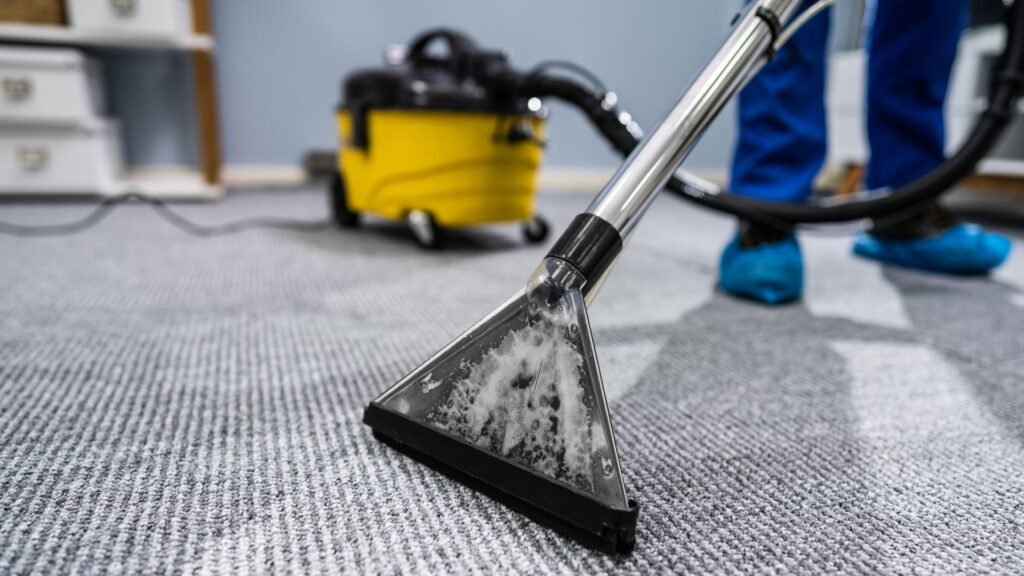
Your small business in Lynnfield—whether you operate a professional office near the town center, manage a retail space along Route 128, run a service business in one of Lynnfield’s commercial areas, or provide healthcare or professional services in this affluent North Shore community—faces unique challenges maintaining professional appearance while controlling costs. Unlike large corporations with dedicated facilities managers and substantial budgets, small business owners must make every dollar count while ensuring their workspace remains clean, healthy, and impressive to clients.
Developing strategic approaches to commercial carpet cleaning helps you protect your flooring investment, maintain the professional image essential for client confidence, create healthy work environments that keep employees productive, and manage costs effectively without sacrificing quality. From scheduling systems that minimize disruption to vendor selection strategies that ensure value, understanding proven commercial carpet cleaning approaches empowers Lynnfield small business owners to make confident decisions that enhance their operations rather than complicate them.
Why Strategic Carpet Cleaning Matters for Small Businesses
Strategic commercial carpet cleaning delivers critical business benefits: maintains professional appearance directly influencing client perceptions and trust, extends carpet lifespan by 3-5 years through proper maintenance protecting significant capital investments, creates healthier work environments reducing employee sick days and improving productivity, prevents emergency situations requiring expensive rush service through proactive scheduling, and demonstrates attention to detail reflecting overall business quality and standards. Unlike residential properties where appearance primarily affects family comfort, commercial carpets in small businesses directly impact revenue through client impressions, employee performance, and the protection of assets representing thousands of dollars in flooring investment.
For Lynnfield small businesses competing in professional markets where first impressions and attention to detail separate success from mediocrity, strategic carpet care isn’t optional maintenance—it’s essential business practice.
Developing Your Carpet Maintenance Strategy
Creating systematic approaches rather than reactive responses:
Assessing Your Specific Needs
Business Type Considerations:
Professional Offices (Legal, Financial, Medical, Consulting):
- Client-facing spaces demanding pristine appearance
- Moderate traffic but high visibility
- Professional image directly tied to cleanliness
- Reception and conference rooms highest priority
- Quarterly to annual cleaning typical
Retail Businesses:
- High customer traffic requiring frequent maintenance
- Appearance affects sales and customer perception
- Quick turnaround essential (minimal closure)
- Monthly to quarterly cleaning often needed
- Entrances and high-visibility areas priority
Service Businesses (Salons, Gyms, Clinics):
- Industry-specific cleanliness standards
- Health code or regulatory considerations
- Variable traffic patterns
- Specialized cleaning needs
- Quarterly to semi-annual typical
Small Office Spaces:
- Limited square footage but appearance matters
- Budget constraints significant
- Flexible scheduling possible
- Annual to bi-annual often sufficient
- May share building requiring coordination
Traffic Analysis:
- Count approximate daily foot traffic
- Identify high-traffic vs. low-traffic zones
- Note seasonal variations (retail holiday rush, etc.)
- Consider client vs. employee-only areas
- Maps help prioritize cleaning zones
Lynnfield Business Environment:
- Professional, affluent clientele with high standards
- Competitive business environment demanding quality
- Mix of established and newer commercial areas
- Proximity to Route 128 bringing diverse clients
- Community expectations for professional appearance
Setting Maintenance Frequency
Industry-Standard Guidelines:
High-Traffic Businesses:
- Retail stores: Monthly to quarterly
- Restaurants (dining areas): Monthly to bi-monthly
- Medical waiting rooms: Quarterly
- Fitness facilities: Monthly
- High client volume professional offices: Quarterly
Moderate-Traffic Businesses:
- Professional offices: Quarterly to semi-annually
- Service businesses: Quarterly to semi-annually
- Specialized retail: Quarterly
- Small clinics/practices: Quarterly
Low-Traffic Spaces:
- Executive offices: Semi-annually to annually
- Back-office areas: Semi-annually to annually
- Conference rooms (light use): Semi-annually
- Storage or limited-access areas: Annually
Adjustment Factors:
Increase Frequency If:
- Client-facing business depending on first impressions
- Light-colored carpets showing soil quickly
- Located near construction or high-dust areas
- Employees report allergies or air quality concerns
- Visible traffic patterns developing
- Preparing for busy season or important client events
Extend Intervals If:
- Primarily employee-only spaces
- Dark carpets hiding soil well
- Limited traffic and controlled access
- Recent installation with stain protection
- Excellent interim maintenance program
- Budget constraints (temporarily)
Seasonal Timing:
Spring (April-May):
- Post-winter cleaning removing salt and mud
- Preparing for increased spring/summer activity
- Good weather for drying and ventilation
- Common choice for annual maintenance
Fall (September-October):
- Pre-holiday preparation (retail, professional services)
- Removing summer dust before heating season
- Comfortable weather for scheduling
- Popular timing for many Lynnfield businesses
Strategic Scheduling:
- Avoid peak business periods
- Coordinate with slow seasons
- Plan around major client events
- Consider fiscal year timing
- Schedule recurring service during consultation
For most Lynnfield small businesses, establishing consistent maintenance with professional commercial carpet cleaning in Lynnfield prevents the emergency situations and accelerated wear that cost far more than proactive care.
Creating Cleaning Zones
Prioritization System:
Zone 1 – Critical (Highest Priority):
- Reception and waiting areas
- Main entrance and lobby
- Conference rooms
- Customer-facing spaces
- Highest visibility areas
- Clean most frequently (monthly to quarterly)
Zone 2 – Important (Medium Priority):
- Office areas visible to clients
- Main hallways and corridors
- Break rooms and common spaces
- Staff work areas occasionally seen by clients
- Clean quarterly to semi-annually
Zone 3 – Maintenance (Lower Priority):
- Back offices and private spaces
- Storage areas with carpet
- Employee-only spaces
- Rarely-seen areas
- Clean semi-annually to annually
Budget Allocation:
- Focus resources on highest-impact areas
- Zone 1 receives most frequent attention
- Zone 2 maintained on regular schedule
- Zone 3 included when budget allows
- Rotate comprehensive cleaning through zones
Flexible Implementation:
- Clean Zone 1 quarterly
- Zone 2 semi-annually
- Zone 3 annually
- Adjust based on actual use and appearance
- More cost-effective than whole-facility focus
Communication with Providers:
- Share zone map with carpet cleaning service
- Discuss priority areas and timing
- Customize service to budget and needs
- Adjust frequency by zone
- Maximize ROI on cleaning investment
Documentation and Tracking
Maintenance Records:
- Date of each professional cleaning
- Service provider used
- Areas cleaned and methods employed
- Costs and any special treatments
- Before/after photos for high-value areas
- Notes on results and any concerns
Purpose of Documentation:
- Tracks warranty compliance (many require annual cleaning)
- Supports budgeting and planning
- Evaluates provider performance
- Identifies patterns (problem areas, seasonal needs)
- Protects business interests
Digital or Physical System:
- Simple spreadsheet or calendar
- Property management software
- Photos stored with cloud backup
- Accessible to relevant staff
- Updated after each service
Long-Term Value:
- Demonstrates proper maintenance if selling business
- Supports insurance claims if needed
- Helps plan capital improvement budgets
- Shows systematic approach to facility management
- Professional record-keeping reflects well on business
Cost Management Strategies
Controlling expenses while maintaining quality:
Budget Planning
Annual Cost Estimation:
Small Office (500-1,000 sq ft):
- Quarterly cleaning: $150-$300 per service × 4 = $600-$1,200 annually
- Semi-annual cleaning: $200-$400 per service × 2 = $400-$800 annually
- Annual cleaning: $250-$500 per service × 1 = $250-$500 annually
Medium Business (1,500-3,000 sq ft):
- Quarterly cleaning: $300-$600 per service × 4 = $1,200-$2,400 annually
- Semi-annual cleaning: $400-$800 per service × 2 = $800-$1,600 annually
- Annual cleaning: $500-$1,000 per service × 1 = $500-$1,000 annually
Factors Affecting Costs:
- Square footage and layout
- Carpet condition and soil level
- Frequency of service
- After-hours premium (10-25% if needed)
- Special treatments (stain protection, sanitization)
- Geographic location and provider rates
Lynnfield Considerations:
- Competitive pricing with North Shore region
- Quality providers command fair rates
- Budget range: $500-$2,000 annually for most small businesses
- Essential operating expense, not optional
Budget Line Item:
- Include in facilities maintenance budget
- Monthly accrual for quarterly/annual service
- Predictable expense enabling planning
- Tax-deductible business expense
- Essential cost of doing business
Maximizing Value
Contract vs. Per-Service:
Annual Service Contracts:
- Advantages: Locked-in pricing, priority scheduling, typically 10-20% discount, guaranteed service dates, relationship with provider
- Disadvantages: Commitment if business changes, may pay for unneeded service if overestimated frequency
- Best For: Businesses with predictable needs, multiple locations, consistent quarterly/semi-annual cleaning
Per-Service Basis:
- Advantages: Flexibility to adjust frequency, no long-term commitment, pay only when needed, try different providers
- Disadvantages: Higher per-service cost, less scheduling priority, potential availability issues
- Best For: Startups, businesses with variable needs, annual cleaning only, uncertain future
Negotiation Strategies:
- Request quotes from 3-5 providers
- Ask about package deals (carpet + upholstery)
- Inquire about referral discounts
- Negotiate multi-service agreements
- Consider off-peak scheduling discounts
What’s Negotiable:
- Frequency-based pricing (more frequent = lower per-service)
- Timing flexibility (avoiding weekends may reduce cost)
- Payment terms (upfront vs. per-service)
- Additional services bundled
- Long-term relationship pricing
What’s Not Negotiable:
- Quality and thoroughness of work
- Proper equipment and products
- Insurance and licensing
- Safety standards
- Professional expertise
Cost vs. Value Analysis
Cheap Service Risks:
- Inadequate cleaning requiring more frequent service
- Over-wetting causing mold, odors, damage
- Wrong products damaging carpets
- Poor extraction leaving residue attracting dirt
- Voiding manufacturer warranties
- Potential need to hire another company to redo
True Cost Example:
Budget Provider: $200 per service
- Surface cleaning only
- Residue left behind
- Results last 2-3 months
- Annual need: 4-6 services
- Annual cost: $800-$1,200
- Risk of damage or poor results
Professional Provider: $400 per service
- Deep extraction cleaning
- Proper products and methods
- Results last 6-9 months
- Annual need: 1-2 services
- Annual cost: $400-$800
- Quality results, lower risk
Value Winner: Professional provider costs less annually while delivering superior results and eliminating damage risk.
Long-Term Perspective:
- Quality carpet installation: $3,000-$10,000 small business
- Proper maintenance extends life: 10-15 years
- Neglect shortens life: 5-8 years
- Premature replacement: $3,000-$10,000
- Annual professional cleaning: $500-$1,500
- Maintenance ROI: Saves thousands in replacement costs
Quality commercial carpet cleaning services in Lynnfield represent investment, not expense—protecting assets while maintaining professional standards essential for business success.
Hidden Costs to Avoid
After-Hours Premiums:
- Weekend cleaning: 10-25% surcharge common
- Evening service: 10-15% premium possible
- Holiday scheduling: Significant premiums
- Strategy: Schedule during slow business days when possible
Emergency Service:
- Water damage or urgent situations: 25-50%+ premium
- Last-minute scheduling: Additional charges
- Rush service: Premium pricing
- Strategy: Proactive maintenance prevents emergencies
Unnecessary Add-Ons:
- Stain protection: Valuable if high-traffic or light carpets
- Deodorization: Needed for odor issues, not routine
- Sanitization: Important for healthcare, food service; optional for offices
- Strategy: Discuss actual needs, not default upsells
Travel Charges:
- Minimum service fees
- Mileage or travel time
- Urban vs. suburban rates
- Strategy: Choose providers serving Lynnfield regularly
Vendor Selection and Management
Finding and maintaining provider relationships:
Essential Qualifications
Professional Credentials:
- IICRC certification (Institute of Inspection, Cleaning and Restoration Certification)
- Commercial carpet cleaning specialization
- Ongoing training and education
- Manufacturer certifications
- Years in business serving commercial clients
Insurance and Bonding:
- Commercial general liability ($1-2 million minimum)
- Workers’ compensation for all employees
- Bonding for security and theft protection
- Why It Matters: Protects your business from liability if worker injured or property damaged
Verification:
- Request certificates of insurance
- Verify current coverage directly with insurer
- Check business licensing
- Confirm bonding if handling keys/access
- Professional, legitimate operation
Commercial Experience:
- Portfolio of commercial clients
- Understanding of business needs and timing
- Experience with after-hours service
- References from other small businesses
- Familiarity with commercial carpet types and challenges
Evaluation Process
Request Detailed Quotes:
- Minimum 3 quotes for comparison
- Written estimates with clear scope of work
- Itemized pricing (square footage, services, add-ons)
- Terms clearly stated
- No-obligation consultations
What Quotes Should Include:
- Square footage and areas covered
- Cleaning method to be used
- Products and treatments included
- Approximate time to complete
- Drying time expectations
- Payment terms
- Guarantee or warranty
- Validity period of quote
Check References:
- Request 3-5 references from similar businesses
- Prioritize Lynnfield or nearby businesses
- Ask specific questions:
- Results quality and consistency?
- Reliability and punctuality?
- Any issues and how resolved?
- Would you hire them again?
- Any surprises (pricing, timing, results)?
Online Research:
- Google Business reviews
- Better Business Bureau rating
- Social media presence and interactions
- Response to negative reviews
- Complaint history and resolution
Red Flags:
- Prices significantly below competitors
- Reluctance to provide insurance documentation
- Pressure to decide immediately
- Vague about methods or products
- No local references
- Poor communication or responsiveness
- No physical business address
- Cash-only or unusual payment requests
Service Agreement Essentials
What Should Be in Writing:
- Scope of work (areas, methods, services)
- Frequency and schedule
- Pricing (per service, annual total)
- Payment terms and schedule
- Cancellation policy
- Guarantee or satisfaction policy
- Liability and insurance provisions
- Term of agreement
Important Clauses:
- Service standards and expectations
- Scheduling and access procedures
- Communication protocols
- Problem resolution process
- Price adjustment terms
- Renewal or termination conditions
Flexibility Needs:
- Ability to adjust frequency if business changes
- Rescheduling accommodation
- Emergency service availability
- Adding/removing areas as needed
- Reasonable modification options
Review Before Signing:
- Read entire agreement carefully
- Clarify any unclear terms
- Negotiate uncomfortable provisions
- Ensure expectations aligned
- Keep copy for records
Building Provider Relationships
Communication:
- Establish primary contact person
- Provide direct phone/email
- Clear instructions about access and security
- Communicate concerns promptly
- Give feedback (positive and constructive)
Access and Security:
- Key provision or entry codes
- Alarm system information
- Parking arrangements
- Building management coordination (if applicable)
- Staff notification about service schedule
Expectations:
- Discuss specific concerns (stains, high-traffic areas)
- Share observations about carpet condition
- Request input on maintenance strategies
- Honest dialogue about budget constraints
- Collaborative approach to facility care
Performance Evaluation:
- Assess results after each service
- Track punctuality and professionalism
- Note any issues or concerns
- Recognize excellent service
- Annual review of relationship and value
Long-Term Partnership:
- Loyalty often rewarded with better pricing
- Established relationships improve service quality
- Provider learns your facility and preferences
- Priority scheduling during busy seasons
- Trusted partner in facility maintenance
Professional office carpet cleaning Lynnfield providers value small business relationships—clear communication and reasonable expectations create partnerships benefiting both parties.
Minimizing Business Disruption
Scheduling and logistics that work for small businesses:
Timing Strategies
After-Hours Service:
- Advantages: Zero business disruption, adequate drying time overnight, thorough access to all areas, no coordination with staff/clients
- Considerations: 10-25% premium typical, requires key/code provision, security coordination, trust in provider essential
- Best For: Retail, client-facing businesses unable to close during day, tight schedules, high-value client days
Weekend Scheduling:
- Advantages: Business typically closed, full day for service and drying, no client disruption, staff coordination unnecessary
- Considerations: Weekend premium possible (10-15%), requires weekend access provision, may need to check on drying, limits weekend work if needed
- Best For: Monday-Friday businesses, offices, professional services, most small businesses
Slow Day Service:
- Advantages: No premium charges, can oversee if desired, coordinate around schedule, immediate communication if issues, lower cost option
- Considerations: Some disruption inevitable, clients may encounter service, partial area access during drying, staff coordination needed
- Best For: Businesses with predictable slow days/times, flexible operations, budget-conscious, comfortable with minor disruption
Early Morning:
- Advantages: Complete before opening, minimal premium, overnight drying, business operational by opening
- Considerations: Very early start required (5-7 AM), may not work for extensive cleaning, drying time limited
- Best For: Smaller spaces, retail opening mid-morning, coffee shops/breakfast businesses with morning downtime
Sectional Cleaning
Phased Approach:
- Clean different areas on different days
- Allows business to continue operating
- Spreads cost across time
- Minimizes disruption significantly
- Practical for larger spaces
Example Schedule:
- Week 1: Reception and waiting area
- Week 2: Main office spaces
- Week 3: Conference rooms and hallways
- Week 4: Break room and back offices
Advantages:
- Never fully closes business
- Employees work around small affected areas
- Spreads budget impact across weeks/months
- Very low disruption
Considerations:
- May cost slightly more (multiple service calls)
- Coordination more complex
- Requires more scheduling attention
- Takes longer to complete full facility
Best For:
- Businesses that cannot close or limit access
- Medical offices, clinics
- Retail with constant customer traffic
- Operations with minimal slow periods
Preparation and Coordination
Staff Communication:
- Notify all employees of cleaning schedule
- Explain any access limitations during service
- Request cooperation moving items if needed
- Remind about wet carpet precautions
- Point of contact if questions during service
Client Management:
- Inform clients if any service disruption possible
- Reschedule appointments if significant cleaning
- Consider signage for retail customers
- Professional communication about facility care
- Minimal impact maintains confidence
Physical Preparation:
- Remove small items from carpet areas
- Clear pathways for equipment
- Secure valuable or sensitive items
- Provide access to all areas being cleaned
- Ensure water and electrical access
Day-Of Logistics:
- Unlock at scheduled time
- Provide parking information
- Ensure alarm off if after-hours
- Point out any concerns or problem areas
- Arrange post-service walk-through
Drying and Access
Typical Drying Times:
- Hot water extraction: 6-12 hours
- Low-moisture methods: 2-4 hours
- Adequate ventilation critical
- Humidity affects timing
- Professional extraction speeds drying
Managing Access:
- Wet carpet signs/barriers
- Alternate routes if possible
- Scheduling prevents foot traffic during drying
- After-hours service ensures overnight drying
- Weekend service allows full drying before Monday
Accelerating Drying:
- HVAC system running
- Fans and air circulation
- Dehumidifiers if needed
- Open doors (security permitting)
- Professional equipment optimization
When Ready for Use:
- Carpet dry to touch
- Cool feel gone (moisture causes coolness)
- No visible dampness
- Professional confirmation
- Typically same day or next morning
Thoughtful scheduling of office carpet cleaning in Lynnfield small businesses minimizes disruption while maximizing results—strategic timing makes professional cleaning seamless rather than disruptive.
Industry-Specific Strategies
Tailoring approaches to business types:
Professional Services (Legal, Financial, Medical)
Unique Requirements:
- Client confidence depends on immaculate appearance
- Reception and conference rooms highest priority
- Discretion and professionalism essential
- After-hours service often preferred
- Documentation for compliance (medical)
Recommended Approach:
- Quarterly reception/waiting areas
- Semi-annual conference rooms
- Annual private offices
- Pre-inspection or audit cleaning
- Premium service providers aligned with professional image
Scheduling:
- Friday evenings (dries over weekend)
- Early Saturday (complete before Monday)
- Coordinate with receptionist/office manager
- Minimal client awareness of service
Retail Businesses
Unique Challenges:
- High customer traffic and soil accumulation
- Appearance directly affects sales
- Cannot close for extended periods
- Entrances heavily soiled
- Quick turnaround essential
Recommended Approach:
- Monthly entrance area spot cleaning
- Quarterly comprehensive cleaning
- After-hours or Sunday service
- Focus on customer sight lines
- Low-moisture methods for quick opening
Strategic Timing:
- Post-holiday season (January)
- Pre-holiday preparation (October/November)
- After seasonal sales
- During predictable slow periods
- Never during peak shopping times
Healthcare and Wellness
Unique Standards:
- Sanitation and infection control
- Health code compliance
- Patient/client comfort and health
- Frequent cleaning required
- Documentation essential
Recommended Approach:
- Monthly to quarterly waiting areas
- Quarterly treatment areas with carpet
- EPA-approved antimicrobial treatments
- Sanitization standard practice
- Records for inspections
Special Considerations:
- Fragrance-free products often required
- Hypoallergenic cleaning solutions
- Rapid drying (patients cannot be disrupted)
- Weekend or evening service only
- Coordination with medical schedules
Food Service (Carpeted Dining Areas)
Unique Challenges:
- Food and beverage contact constant
- Odors from spills and particles
- Health department inspections
- High traffic and rapid soiling
- Customer expectations high
Recommended Approach:
- Monthly professional cleaning minimum
- Bi-weekly for high-volume restaurants
- Deep extraction removing food particles
- Deodorization standard
- Stain protection essential
Compliance:
- Health code requirements
- Documentation for inspections
- Proper sanitization
- Odor control mandatory
- Clean appearance affects ratings/reviews
Timing:
- Sunday or Monday (many restaurants closed)
- Late night after closing
- Between seasons or during slow periods
- Never during peak dining times
Small Office and Co-Working Spaces
Unique Characteristics:
- Limited budgets
- Moderate traffic
- Employee-focused mostly
- Some client visits
- Flexible scheduling possible
Recommended Approach:
- Annual to semi-annual comprehensive cleaning
- Focus on reception and conference areas
- Employee-only areas less frequently
- DIY spot cleaning between professional services
- Budget-conscious service selection
Cost Management:
- Essential areas only if budget tight
- Coordinate with neighboring businesses for volume pricing
- Flexible timing for best rates
- Build long-term provider relationship
- Balance cost and appearance needs
Each business type benefits from customized business carpet cleaning in Lynnfield approaches recognizing unique operational requirements, customer expectations, and budget realities.
Interim Maintenance Between Professional Cleanings
Extending professional results through consistent care:
Daily Operations
Entrance Care:
- Commercial-grade entry mats (inside and outside)
- Capture 80% of tracked dirt before reaching carpet
- Vacuum entry mats daily
- Replace when worn or saturated
- Single most effective maintenance strategy
Immediate Spill Response:
- Blot spills immediately (never rub)
- Keep appropriate cleaning supplies accessible
- Train staff on proper response
- Prevent stains from setting
- Document significant spills for professional attention
High-Traffic Area Attention:
- Spot vacuum visible debris
- Quick touch-ups as needed
- Maintain professional appearance constantly
- Prevent soil accumulation
- Shows attention to detail
Weekly Maintenance
Comprehensive Vacuuming:
- All carpeted areas minimum weekly
- High-traffic zones 2-3× weekly
- Use commercial-grade vacuum if possible
- Empty bags/canisters frequently
- Essential between professional cleanings
Visual Inspection:
- Walk through all carpeted areas
- Note developing issues
- Identify high-wear zones
- Spot clean as needed
- Track condition for professional consultation
Spot Treatment:
- Address any stains not immediately cleaned
- Use appropriate commercial spot cleaners
- Test products in hidden areas first
- Follow manufacturer directions
- Document persistent issues for professional attention
Monthly Tasks
Deep Vacuuming:
- More thorough than weekly maintenance
- Move lightweight furniture
- Vacuum under and behind items
- Focus on edges and corners
- Prevents deep soil accumulation
Assessment:
- Evaluate overall carpet condition
- Compare to previous month
- Identify areas needing professional attention
- Plan timing for next professional service
- Communicate concerns to provider
Equipment Maintenance:
- Empty and clean vacuum thoroughly
- Replace filters and bags
- Inspect for proper function
- Maintain commercial equipment investment
- Ensures effective operation
Staff Training
Basic Protocols:
- Proper vacuuming technique
- Spill response procedures
- When to call for professional help
- Use of cleaning products
- Reporting mechanisms
Responsibility Assignment:
- Designate person/people for carpet care
- Clear expectations and schedules
- Accountability for maintenance
- Communication channels for concerns
- Recognition for good stewardship
Supply Management:
- Keep appropriate products stocked
- Maintain equipment in good condition
- Replace worn mats and tools
- Budget for interim maintenance supplies
- Prevent gaps in care
Consistent interim maintenance dramatically extends professional cleaning results—the combination of periodic professional commercial floor cleaning Lynnfield with diligent daily care optimizes appearance, longevity, and cost-effectiveness.
Measuring ROI and Adjusting Strategy
Evaluating effectiveness and optimizing approach:
Performance Metrics
Appearance Standards:
- Visual assessment before/after professional cleaning
- Client or customer comments/feedback
- Employee observations
- Comparison to competitors
- Photography tracking over time
Financial Metrics:
- Annual carpet cleaning costs
- Cost per square foot
- Cost relative to carpet value
- Savings from extended carpet life
- Avoided emergency cleaning costs
Operational Metrics:
- Downtime for cleaning
- Employee disruptions
- Client/customer impacts
- Scheduling efficiency
- Provider responsiveness
Health and Comfort:
- Employee sick day rates
- Indoor air quality observations
- Allergy or respiratory complaints
- Odor concerns
- Overall workplace comfort reports
Evaluation Questions
After Each Service:
- Were results satisfactory?
- Did provider meet expectations?
- Any issues or concerns?
- On time and professional?
- Worth the investment?
Annually:
- Is cleaning frequency appropriate?
- Could we reduce or increase?
- Is provider delivering consistent quality?
- Are costs competitive?
- Should we adjust strategy?
Multi-Year:
- Is carpet wearing as expected?
- Has maintenance prevented premature replacement?
- What’s total cost over carpet lifespan?
- Are we maximizing investment?
- Should we change approaches?
Strategic Adjustments
Increasing Frequency:
- If visible wear developing faster than expected
- Client comments about appearance
- High traffic exceeding original estimates
- Preparing for increased business activity
- Competitive pressure raising standards
Decreasing Frequency:
- Excellent interim maintenance extending results
- Lower traffic than anticipated
- Budget constraints requiring prioritization
- Carpet showing minimal wear
- Recent installation with stain protection
Changing Providers:
- Consistent quality issues
- Poor communication or responsiveness
- Better value available elsewhere
- Relationship deteriorated
- Business needs changed requiring different expertise
Modifying Scope:
- Focus resources on highest-impact areas
- Implement zone-based cleaning
- Add or eliminate services (protection, sanitization)
- Adjust timing or scheduling approach
- Adapt to business growth or changes
Budget Reallocation:
- Invest more in preventive maintenance
- Reduce frequency, increase quality
- Add stain protection saving long-term
- Shift to annual contract for savings
- Reallocate based on measured results
Protect Your Business Investment
Your Lynnfield small business deserves carpet maintenance that protects your flooring investment, maintains the professional image essential for client confidence, creates healthy productive work environments, and manages costs effectively without sacrificing quality that reflects your business standards. Strategic approaches to commercial carpet cleaning—from establishing appropriate maintenance frequencies to selecting qualified providers to implementing systematic interim care—transform carpet maintenance from reactive expense to proactive business asset management.
Unlike large corporations with dedicated facilities departments and unlimited budgets, small business owners must make every dollar count while ensuring their workspace remains clean, professional, and welcoming. The strategies presented here empower you to create customized carpet care programs matching your specific business type, traffic patterns, budget realities, and operational constraints—maximizing value while minimizing disruption to the operations that generate revenue.
Don’t wait until carpets show obvious wear, client comments reveal problems, or emergency situations require expensive rush service. Implement strategic carpet cleaning approaches today—establish maintenance schedules aligned with your business needs, partner with qualified providers who understand small business realities, and commit to the interim care that extends professional cleaning results while protecting your significant flooring investment.
Your business’s success depends on countless details working together—from the quality of your services to the professionalism of your team to the environment where you serve clients and conduct operations. Clean, well-maintained carpets contribute to every aspect of that success, demonstrating attention to detail, creating positive impressions, and providing the comfortable, healthy workplace that supports excellence in everything you do.
Take action today to develop and implement commercial carpet cleaning strategies that protect your investment, enhance your business image, and deliver the results your Lynnfield small business deserves.