Maintaining Your Upholstered Furniture: Tips for Hamilton, MA Homeowners
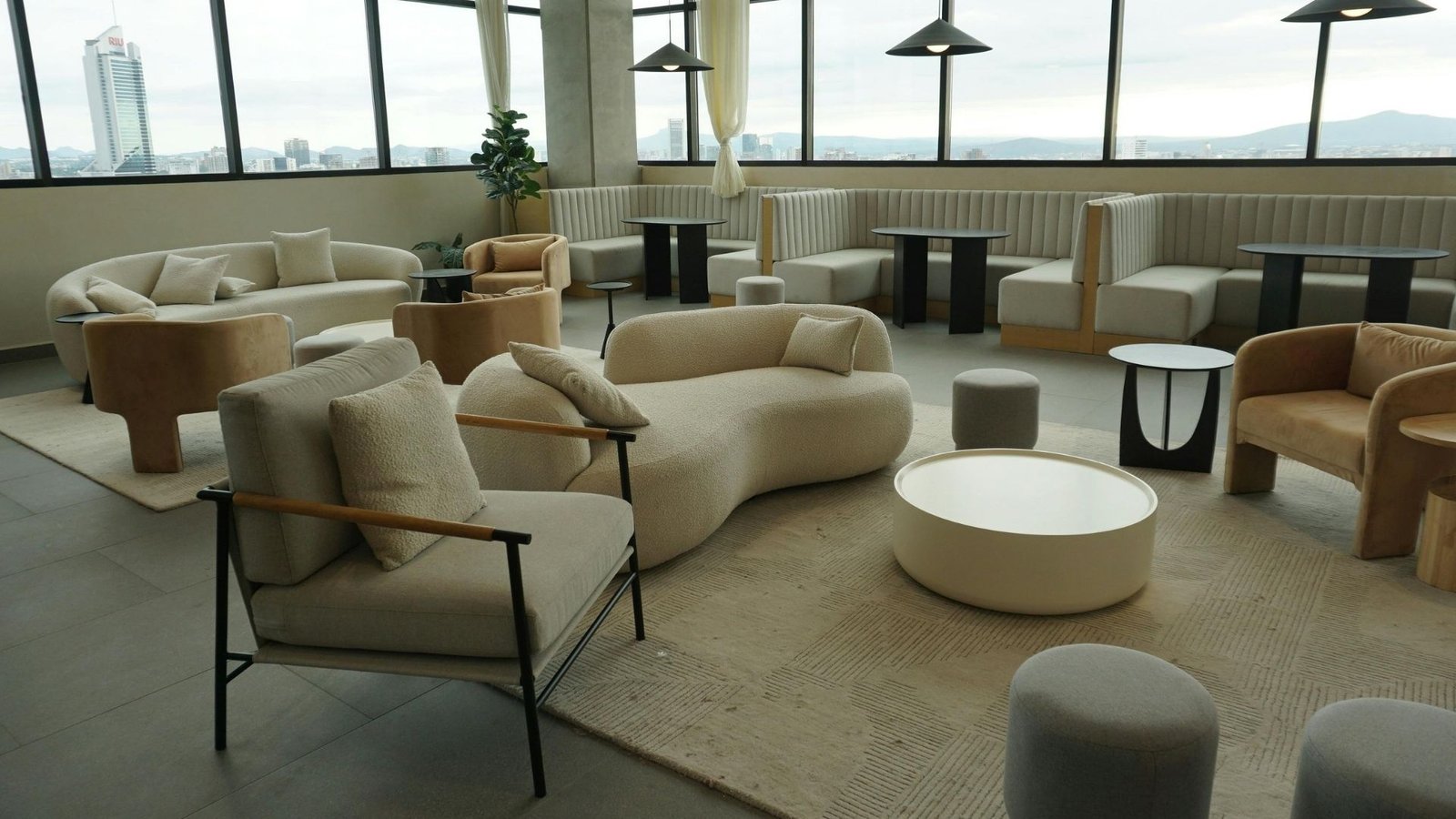
Your upholstered furniture represents a significant investment in your Hamilton home’s comfort and style. Whether you’ve furnished your historic colonial with family heirlooms, your Asbury Street residence with modern pieces, or your Patton Park neighborhood home with coastal-inspired designs, proper maintenance protects both your investment and your family’s health.
Hamilton’s unique environment—humid summers, cold winters, and proximity to Wenham Lake and the Ipswich River—creates specific challenges for upholstered furniture. Understanding how to care for your sofas, chairs, and cushioned pieces ensures they remain beautiful, comfortable, and hygienic for years to come.
Why Upholstery Maintenance Matters
Regular upholstery maintenance extends furniture lifespan by 5-10 years, prevents permanent staining, maintains fabric integrity, improves indoor air quality, and protects your financial investment. Neglected furniture deteriorates rapidly—oils from skin, dust accumulation, spills, pet dander, and environmental factors combine to break down fibers, fade colors, and create breeding grounds for allergens and bacteria.
For Hamilton homeowners, the investment in quality furniture deserves protection through consistent, proper maintenance practices.
Understanding Your Upholstery Fabric
Before implementing any maintenance routine, identify your furniture’s fabric type. Different materials require different care approaches:
Natural Fiber Fabrics
Cotton: Durable and affordable but prone to fading, shrinking, and staining. Requires prompt spill treatment and professional cleaning every 12-18 months.
Linen: Elegant and breathable but wrinkles easily and can water-spot. Best suited for low-use pieces in Hamilton homes; requires gentle cleaning methods.
Wool: Naturally stain-resistant and durable but can pill and attract moths. Requires regular vacuuming and professional cleaning to prevent damage.
Silk: Luxurious but extremely delicate. Water spots easily and fades in sunlight—common in Hamilton homes with large windows overlooking scenic properties. Requires professional-only cleaning.
Synthetic Fiber Fabrics
Polyester: Stain-resistant, durable, and affordable. Withstands frequent use and cleaning—ideal for Hamilton family homes with children and pets.
Nylon: Extremely durable and resilient but can fade and flatten with heavy use. Regular vacuuming maintains appearance.
Olefin (Polypropylene): Moisture and mildew-resistant—excellent for humid Hamilton summers. Cleans easily but can attract oils.
Microfiber: Tightly woven synthetic that resists stains and water. Popular in Hamilton homes for its durability and easy maintenance.
Blended Fabrics
Many modern upholstery pieces combine natural and synthetic fibers, balancing durability with comfort and appearance. Check manufacturer tags for specific fiber content and cleaning codes.
Decoding Upholstery Cleaning Codes
Every piece of upholstered furniture includes a tag with a cleaning code—usually found under cushions or along the furniture’s underside. Understanding these codes prevents damage:
W (Water-Based Cleaning): Safe to clean with water-based solutions. Most common code for synthetic and treated natural fabrics.
S (Solvent-Based Cleaning): Requires dry-cleaning solvents only. Water will cause staining or fabric damage. Common for silk, rayon, and delicate fabrics.
WS (Water or Solvent): Can be cleaned with either water-based or solvent-based products. Offers flexibility for different stain types.
X (Vacuum Only): No liquid cleaning—vacuum or brush only. Typically indicates very delicate fabrics requiring professional expertise.
Never ignore these codes—using the wrong cleaning method causes irreversible damage including shrinking, water staining, color bleeding, or fabric disintegration.
Daily and Weekly Maintenance Practices
Consistent care prevents most upholstery problems Hamilton homeowners face:
Daily Habits
Fluff and Rotate Cushions: Spend 30 seconds each evening redistributing wear and preventing permanent impressions. This simple habit extends cushion life by years.
Remove Debris: Check seams and crevices for crumbs, pet hair, and dirt before they work deeper into fabric.
Air Out Furniture: Open windows during mild weather to prevent moisture accumulation and musty odors—especially important in Hamilton’s humid summer months.
Address Spills Immediately: Blot (never rub) fresh spills with clean white cloth. Speed makes the difference between easy cleanup and permanent stains.
Weekly Maintenance
Thorough Vacuuming: Use upholstery attachments to vacuum all surfaces, paying special attention to:
- Seat cushions (top and bottom)
- Arm rests
- Backs and sides
- Seams and crevices where debris accumulates
- Under removable cushions
Brush Fabric: For fabrics that attract lint or pet hair, use a soft upholstery brush to lift fibers and restore texture.
Check for Damage: Inspect for loose threads, tears, or structural issues while they’re easy to repair.
Rotate Cushions: Move cushions to different positions weekly, distributing wear evenly across all pieces.
Hamilton homes near wooded areas or with pets may need twice-weekly vacuuming during shedding seasons or after outdoor activities.
Monthly Deep-Cleaning Tasks
Beyond daily and weekly care, monthly attention keeps furniture in optimal condition:
Remove and Clean Cushion Covers: If covers are removable and washable (check tags), launder according to manufacturer instructions. Air dry to prevent shrinking.
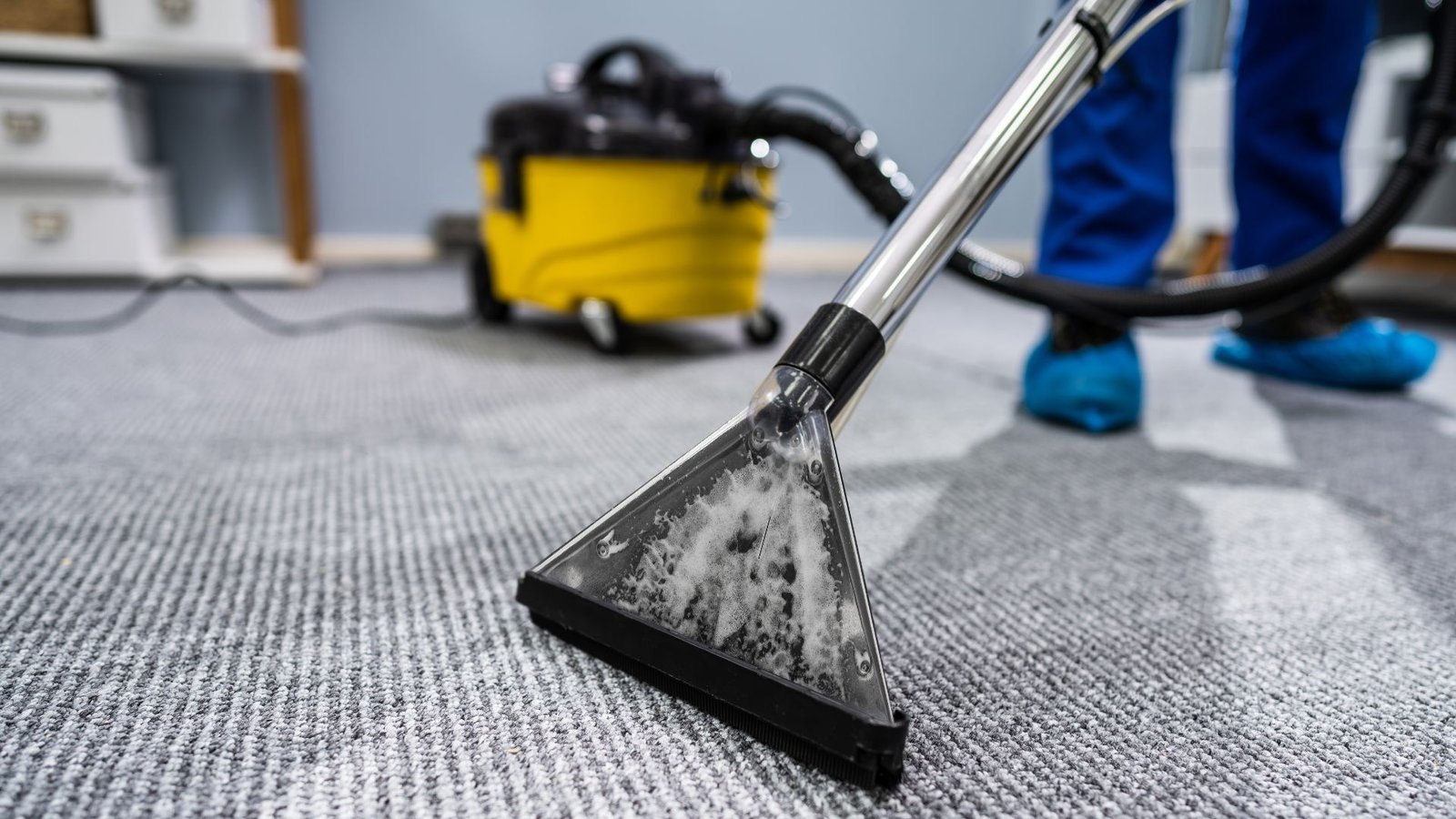
Steam Clean Appropriate Fabrics: For “W” or “WS” coded furniture, light steaming refreshes fabric and kills dust mites without harsh chemicals.
Treat Odors Naturally: Sprinkle baking soda on fabric surfaces, let sit 15-20 minutes, then vacuum thoroughly. This neutralizes odors without introducing artificial fragrances.
Clean Wooden or Metal Elements: Wipe down exposed legs, arms, and trim with appropriate wood or metal cleaners to maintain overall furniture appearance.
Inspect Hardware: Check for loose screws, failing springs, or structural issues before they worsen.
Protect High-Use Areas: Apply fabric protector to arms and headrests where skin contact occurs most frequently—reapply every 6 months.
Seasonal Care for Hamilton’s Climate
Hamilton’s distinct seasons create specific upholstery challenges:
Spring (April-May)
Post-Winter Refresh: Deep clean or professionally clean furniture after months of closed windows and heating system use deposited dust and indoor pollutants.
Address Moisture Issues: Check for mildew or musty odors from winter humidity, especially in basement or sunroom furniture.
Inspect for Pest Damage: Look for moth damage in wool upholstery—common after Hamilton’s cold winters when moths seek indoor shelter.
Summer (June-August)
Combat Humidity: Use dehumidifiers to prevent mold and mildew growth in upholstered furniture—Hamilton’s proximity to water bodies increases humidity.
Protect from Sunlight: Rotate furniture or use window treatments to prevent fading from intense summer sun streaming through windows.
Increase Vacuuming: More time outdoors means more dirt, pollen, and allergens tracked inside and onto furniture.
Fall (September-November)
Pre-Winter Deep Clean: Schedule professional upholstery cleaning in Hamilton before closing up the house for winter.
Apply Protectants: Refresh fabric protectors before holiday gatherings and winter’s heavy indoor use.
Prepare for Heating Season: Clean HVAC vents to prevent dust from settling on freshly cleaned furniture.
Winter (December-March)
Control Indoor Humidity: Maintain 30-50% humidity to prevent fabric drying and cracking while avoiding mold growth.
Protect from Dry Heat: Keep furniture away from radiators, wood stoves, and heating vents that can fade and damage fabric.
Holiday Spill Response: Have cleaning supplies readily available for inevitable holiday gathering accidents.
Spot Cleaning: Hamilton Homeowner’s Guide
Despite best efforts, spills happen. Quick, proper response prevents permanent damage:
General Spot Cleaning Rules
- Act Immediately: The faster you respond, the better your chances of complete stain removal
- Blot, Don’t Rub: Rubbing pushes stains deeper and damages fibers
- Work Outside to Inside: Prevents spreading the stain to clean areas
- Use White Cloths: Colored cloths can transfer dye to your furniture
- Test First: Always test cleaning solutions on hidden areas before applying to visible stains
Common Stain Solutions
Water-Based Stains (coffee, juice, wine):
- Blot excess liquid immediately
- Mix 1/4 teaspoon mild dish soap with 1 cup lukewarm water
- Dampen clean cloth with solution and blot stain
- Rinse with clean water-dampened cloth
- Blot dry with absorbent towels
Oil-Based Stains (grease, butter, makeup):
- Sprinkle baking soda or cornstarch on fresh stain to absorb oil
- Let sit 15 minutes, then vacuum
- Apply small amount of dry-cleaning solvent to clean cloth
- Blot stain gently
- Air dry completely
Protein Stains (blood, vomit, pet accidents):
- Scrape away solids with dull knife
- Blot with cold water (never hot—sets protein stains)
- Mix enzyme cleaner according to directions
- Apply to stain and let sit as directed
- Blot clean with cold water
- Repeat if necessary
Ink Stains:
- Dab (don’t rub) with rubbing alcohol on cotton swab
- Work from outside edges toward center
- Replace swab frequently to avoid spreading ink
- Blot with clean water once ink lifts
- Professional cleaning may be necessary for stubborn ink
Pet Urine:
- Blot as much liquid as possible
- Mix equal parts white vinegar and water
- Saturate area and let sit 5 minutes
- Blot dry thoroughly
- Sprinkle with baking soda and vacuum once dry
- Consider professional enzymatic treatment for odor elimination
For valuable pieces or stubborn stains, professional upholstery cleaning services in Hamilton offer expertise and equipment that prevent damage while achieving better results.
Protecting Furniture from Pets
Hamilton’s pet-friendly community means many homes balance furniture maintenance with furry family members:
Use Furniture Covers: Washable slipcovers or throws protect high-use areas while maintaining style. Remove and launder weekly.
Trim Pet Nails: Regular nail trimming prevents snags, tears, and scratches on upholstery fabric.
Provide Alternatives: Pet beds near favorite furniture pieces redirect your pets while keeping them close to family.
Train Boundaries: Consistent training about allowed furniture access prevents damage and establishes clear household rules.
Vacuum Frequently: Pet hair and dander accumulate quickly—increase vacuuming to 2-3 times weekly for pet households.
Address Accidents Immediately: Enzyme cleaners designed for pet stains prevent odors that encourage repeat accidents.
Consider Pet-Friendly Fabrics: When purchasing new furniture, choose tightly woven, stain-resistant fabrics in colors that camouflage pet hair.
Microfiber, leather, and outdoor-rated fabrics perform best in Hamilton homes with active pets.
Sun Damage Prevention
Hamilton homes often feature large windows showcasing beautiful landscapes—but sunlight damages upholstery:
Rotate Furniture: Change furniture positions every 3-4 months to distribute sun exposure evenly.
Use Window Treatments: Sheer curtains, UV-blocking films, or blinds filter harmful rays while maintaining views of Hamilton’s scenic beauty.
Apply UV Protectants: Fabric protectors with UV inhibitors slow fading and deterioration.
Keep Distance: Position valuable or delicate pieces away from direct sunlight whenever possible.
Close Curtains When Away: Protect furniture during peak sun hours (10 AM – 4 PM) when you’re not home to enjoy the view.
South and west-facing windows in Hamilton homes require extra protection strategies.
When to Call Professional Cleaners
While regular home maintenance extends furniture life, professional furniture cleaning in Hamilton becomes necessary when:
Annual or Bi-Annual Deep Cleaning: Most upholstered furniture benefits from professional cleaning every 12-24 months depending on use, pets, and household size.
Stubborn Stains: When home remedies fail, professionals have specialized products and extraction equipment that prevent permanent damage.
Odor Issues: Persistent smells from pets, smoke, or mildew require professional enzymatic treatments and deodorizing methods.
Allergy Concerns: Professional cleaning removes dust mites, dander, and allergens that regular vacuuming misses—important for Hamilton families with allergies.
Delicate or Antique Pieces: Valuable furniture requires expert care to avoid damage from improper cleaning methods.
Pre-Event Preparation: Before hosting parties or family gatherings, professional cleaning ensures furniture looks its best.
Post-Water Damage: Flooding, leaks, or excessive moisture require immediate professional attention to prevent mold growth.
Moving Preparation: Clean furniture before moving into storage or a new home to prevent transferring dirt and odors.
Professional cleaners use truck-mounted extraction systems, pH-balanced solutions, and fabric-specific techniques that home methods can’t replicate—delivering deeper cleaning without the risks of DIY approaches.
Fabric Protection and Treatments
Protective treatments create barriers against spills and soil:
Scotchgard and Similar Products: Create water and oil-resistant barriers on fabric surfaces. Reapply every 6-12 months for continued protection.
When to Apply: After professional cleaning, before new furniture first enters your home, before holiday seasons or parties, after removing old protectant through cleaning.
Application Tips: Use in well-ventilated areas, apply light even coats rather than heavy saturation, allow complete drying between coats (usually 2-4 hours), test on hidden areas first.
Benefits for Hamilton Homes: Protection is especially valuable for families with children, households with pets, light-colored furniture in high-use areas, antique or valuable pieces, furniture in dining areas prone to food spills.
Professional application during sofa and couch cleaning Hamilton services ensures even coverage and proper product selection for your specific fabrics.
Extending Furniture Lifespan
Beyond cleaning, these practices maximize your upholstery investment:
Even Weight Distribution: Avoid sitting in the same spot repeatedly—encourages permanent compression and uneven wear patterns.
Support Cushions Properly: Replace or add fill to sagging cushions before frames become damaged.
Keep Food and Drinks Away: Designate eating areas away from upholstered furniture when possible.
Control Indoor Environment: Maintain consistent temperature and humidity to prevent fabric degradation.
Address Repairs Promptly: Small tears or loose seams worsen quickly—repair immediately to prevent costly restoration.
Professional Reupholstering: When fabric wears but frames remain solid, reupholstering costs less than replacement while preserving beloved pieces.
Quality Investments: Well-constructed furniture with quality fabrics justifies maintenance efforts—cheap furniture deteriorates regardless of care.
Hamilton’s historic homes often feature heirloom furniture worth preserving through proper maintenance and occasional restoration.
Special Considerations for Historic Hamilton Homes
Many Hamilton residences date back centuries, requiring special upholstery care:
Antique Fabric Sensitivity: Historic textiles require gentle, pH-neutral cleaning products to prevent damage to natural dyes and delicate fibers.
Professional Assessment: Before cleaning antique pieces, consult with professional upholstery cleaners Hamilton experienced in historic preservation.
Climate Control: Older homes with fluctuating temperatures and humidity stress antique upholstery—invest in environmental controls for valuable pieces.
Minimal Water Use: Antique furniture may have horsehair padding or other natural materials damaged by excessive moisture—low-moisture or dry cleaning methods work best.
Documentation: Photograph and document antique furniture condition regularly, creating records for insurance and preservation purposes.
Conservation vs. Restoration: Understand the difference—conservation preserves original materials while restoration may replace them. Choose based on furniture value and intended use.
Historic Hamilton homeowners balance preservation with practical use—professional guidance protects irreplaceable pieces while allowing them to be enjoyed.
Creating a Furniture Maintenance Schedule
Organized maintenance prevents overwhelming cleaning projects:
Daily (2 minutes):
- Fluff cushions
- Remove visible debris
- Address fresh spills immediately
Weekly (15 minutes):
- Vacuum all upholstered surfaces
- Brush fabric to restore texture
- Rotate cushions
Monthly (30 minutes):
- Deep vacuum including crevices
- Spot clean any stains
- Apply natural deodorizer if needed
- Inspect for damage
Quarterly (1 hour):
- Rotate furniture positions
- Deep clean removable covers
- Reapply fabric protector
- Professional assessment for high-use pieces
Annually (Schedule Professional Service):
- Professional deep cleaning
- Evaluate furniture condition
- Plan for repairs or restoration
- Refresh protective treatments
Mark furniture cleaning tasks on your household calendar alongside other seasonal maintenance—consistency delivers better results than intensive occasional efforts.
The Health Benefits of Clean Upholstery
Beyond appearance, clean furniture supports your family’s wellbeing:
Allergen Reduction: Regular cleaning removes dust mites, pollen, and pet dander that trigger allergies and asthma—particularly important during Hamilton’s high pollen seasons.
Improved Air Quality: Upholstered furniture traps airborne particles—clean furniture means cleaner air throughout your home.
Bacteria and Germ Control: Regular maintenance reduces harmful microorganisms that thrive in fabric fibers.
Mold Prevention: Proper cleaning and moisture control prevent mold growth, especially in Hamilton’s humid summer months.
Mental Health: Clean, fresh-smelling furniture creates a more pleasant living environment, reducing stress and improving mood.
Reduced Chemical Exposure: Regular maintenance means less need for harsh stain removers and deodorizers when problems develop.
For Hamilton families with young children, elderly residents, or anyone with respiratory conditions, furniture maintenance is a health investment, not just aesthetic upkeep.
Sustainable Upholstery Care Practices
Environmentally conscious Hamilton homeowners can maintain furniture responsibly:
Use Natural Cleaning Solutions: White vinegar, baking soda, and mild soap handle most cleaning needs without harsh chemicals.
Choose Eco-Friendly Products: Look for plant-based, biodegradable cleaners with minimal environmental impact.
Conserve Water: Spot clean rather than over-wetting furniture, reducing water use and mold risk.
Extend Furniture Life: Proper maintenance reduces waste by delaying furniture replacement for years.
Reupholster vs. Replace: When fabric wears, reupholstering keeps frames out of landfills while refreshing appearance.
Support Local Services: Hamilton-area professional cleaners reduce transportation emissions compared to distant providers.
Donate or Repurpose: When replacing furniture, donate usable pieces or repurpose materials creatively.
Sustainable practices align with Hamilton’s community values while protecting your investment and the environment.
Invest in Your Comfort
Your upholstered furniture serves your Hamilton home daily—providing comfort for family gatherings, quiet reading spots overlooking Wenham Lake views, and welcoming spaces for guests. Protecting this investment through consistent maintenance ensures your furniture remains beautiful, comfortable, and healthy for years to come.
From daily cushion fluffing to annual professional cleaning, each maintenance step contributes to furniture longevity and your home’s overall appeal. Hamilton’s unique climate and historic character create specific challenges, but proper care overcomes them while preserving the pieces that make your house a home.
Whether you’re maintaining family heirlooms in a colonial estate or protecting modern pieces in a contemporary residence, the principles remain the same: consistent care, prompt attention to problems, and professional help when needed.
Your furniture works hard for your family every day—give it the care it deserves.