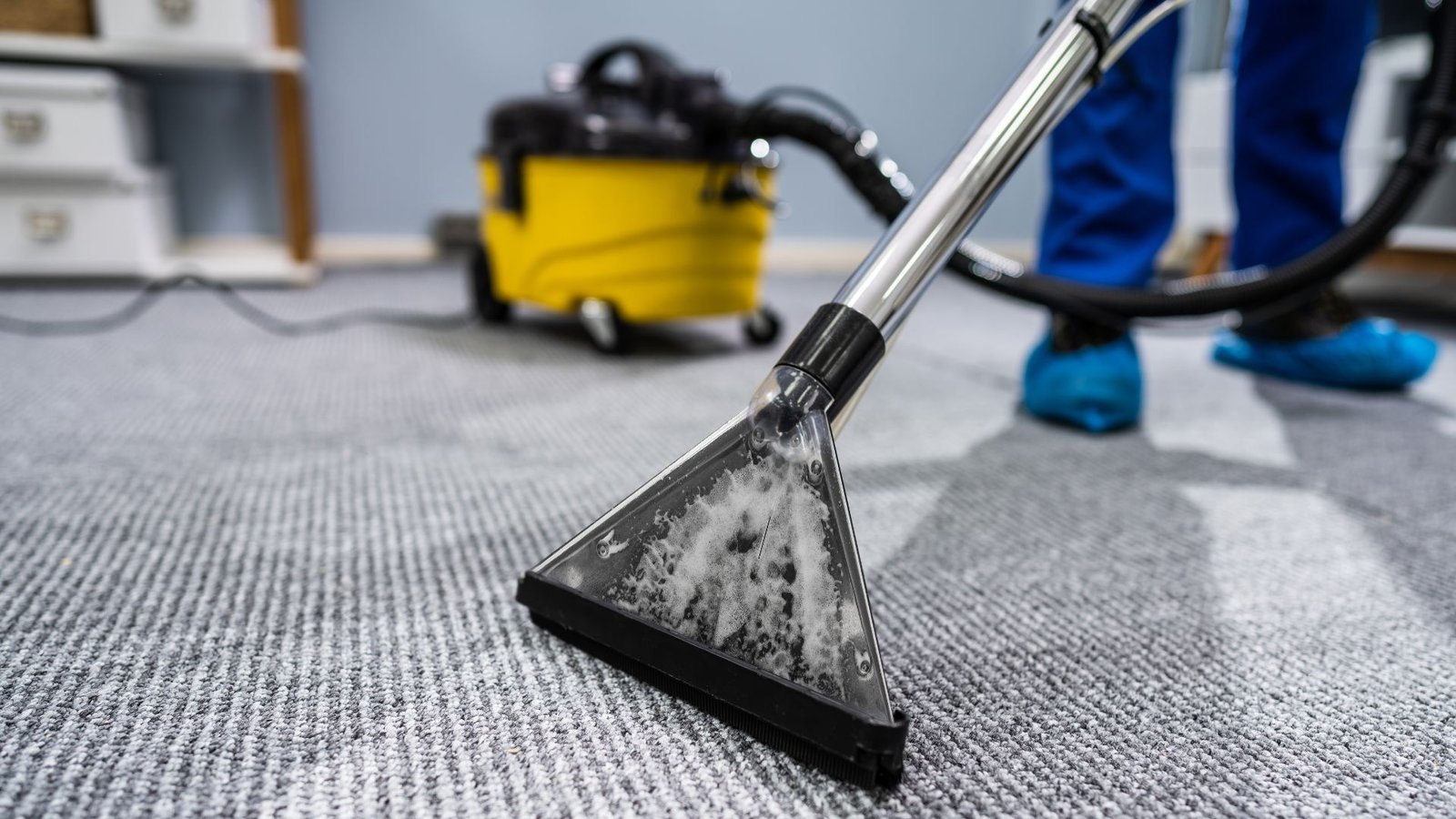

Revitalize Your Office Furniture: Commercial Upholstery Cleaning in West Peabody, MA

Your West Peabody business’s office furniture makes a statement about your company long before you say a word. Whether clients visit your professional office near Route 128, customers browse your retail space along Lowell Street, or employees spend their days in your facility near the Northshore Mall area, the condition of your upholstered furniture directly impacts perceptions of your professionalism, attention to detail, and commitment to quality.
Commercial upholstery endures challenges residential furniture never faces—constant use by diverse individuals, exposure to outdoor contaminants from street traffic, accumulation of soil from high foot traffic, and the need to maintain professional appearance despite daily wear. Understanding how professional commercial upholstery cleaning revitalizes your office furniture helps you protect your investment, enhance your business image, and create healthier work environments that boost productivity and impress clients.
Why Commercial Upholstery Cleaning Matters
Commercial upholstery cleaning delivers critical benefits: removes embedded soil and allergens that regular vacuuming cannot reach, restores professional appearance essential for client impressions, eliminates odors from accumulated use and environmental exposure, extends furniture lifespan by 3-5 years through proper maintenance, and creates healthier work environments reducing employee sick days and improving productivity. Unlike residential furniture that receives gentle use from a few family members, commercial upholstery in West Peabody businesses faces relentless daily wear from dozens or hundreds of people, outdoor contaminants from Route 128 traffic, and visibility standards that demand consistent professional appearance.
For West Peabody business owners committed to maintaining professional environments, regular commercial upholstery cleaning isn’t optional maintenance—it’s essential business practice.
Differences Between Residential and Commercial Upholstery Cleaning
Commercial furniture requires specialized approaches:
Usage Intensity
Residential Context:
- 2-6 people using furniture daily
- Family members with consistent habits
- Controlled environment and use patterns
- Seasonal variations in use
- Annual or bi-annual cleaning typically sufficient
Commercial Reality:
- Dozens to hundreds of users daily
- Diverse individuals with varying habits
- Uncontrolled public access in many settings
- Consistent heavy use year-round
- Quarterly to annual cleaning necessary
Impact on Cleaning:
- Commercial soil accumulation far more rapid
- Requires more aggressive cleaning methods
- Professional-grade products essential
- Efficiency and speed critical
- Maintenance vs. restoration mindset
Soil Types and Contamination
Residential Sources:
- Dust, skin cells, pet dander
- Food and beverage spills
- Occasional outdoor dirt
- Controlled contamination sources
Commercial Sources:
- Heavy outdoor contaminants (street dirt, parking lot oils)
- Coffee and food service staining
- Ink and office supply marks
- Body oils from numerous users
- Environmental pollutants from traffic
- Grease and industrial contaminants (depending on business type)
Cleaning Implications:
- Commercial fabrics need heavy-duty treatment
- Stain types more varied and challenging
- Odor issues more common
- Sanitization often required
- Health code compliance (certain industries)
Scheduling Requirements
Residential Flexibility:
- Homeowner present during service
- Daytime appointments convenient
- Can work around family schedule
- Single-day completion typical
Commercial Constraints:
- Cannot disrupt business operations
- After-hours or weekend service essential
- Rapid turnaround required
- Coordination with security and access
- Minimal downtime critical
Service Approach:
- Evening and weekend availability standard
- Efficient, systematic cleaning process
- Quick-drying methods preferred
- Professional discretion essential
- Coordination with facility management
Furniture Types and Construction
Residential Pieces:
- Comfort prioritized over durability
- Aesthetic variety and personal taste
- Softer cushioning and deeper seats
- Varied fabric types and colors
Commercial Furniture:
- Durability essential over comfort
- Professional appearance standard
- Firm cushioning for longevity
- Limited, soil-hiding colors
- Commercial-grade fabrics designed for abuse
Maintenance Differences:
- Commercial fabrics withstand aggressive cleaning
- Standardized approaches work across pieces
- Focus on appearance restoration
- Performance metrics matter
- Warranty considerations important
For West Peabody businesses, specialized commercial upholstery cleaning West Peabody services understand these distinctions and bring appropriate expertise, equipment, and approaches.
Benefits of Professional Commercial Upholstery Cleaning
Regular professional cleaning delivers measurable returns:
Enhanced Professional Image
First Impressions:
- Clients form opinions within seconds of entering
- Clean furniture signals attention to detail
- Professional appearance builds confidence
- Dirty furniture suggests neglect extending to business practices
- Investment in appearance demonstrates commitment to quality
Competitive Advantage:
- Superior office appearance differentiates from competitors
- Cleanliness increasingly important to clients and customers
- Modern consumers expect high standards
- Professional environment attracts quality employees
- Reflects company values and standards
Brand Representation:
- Office environment represents brand physically
- Clean, well-maintained furniture reinforces professional brand
- Consistency across locations demonstrates standards
- Physical space supports marketing messages
- Every detail contributes to overall impression
Employee Health and Productivity
Indoor Air Quality:
- Upholstery traps allergens, dust, bacteria
- Regular cleaning removes health hazards
- Improved air quality reduces respiratory issues
- Particularly important in sealed, air-conditioned buildings
- Creates healthier work environment
Reduced Sick Days:
- Cleaner environment means fewer employee illnesses
- Allergen removal benefits allergy/asthma sufferers
- Bacteria elimination reduces disease transmission
- Healthier employees more productive
- Lower healthcare costs and lost productivity
Comfort and Morale:
- Clean, fresh furniture more pleasant to use
- Employees appreciate well-maintained workplace
- Comfort affects focus and productivity
- Demonstrates employer cares about work environment
- Positive impact on employee satisfaction and retention
Mental Clarity:
- Clean environment supports mental focus
- Reduces stress and distraction
- Creates professional mindset
- Supports productive work
- Psychological benefits of cleanliness
Financial Protection
Furniture Longevity:
- Commercial furniture costs $500-$5,000+ per piece
- Regular cleaning extends lifespan 3-5 years
- Delays expensive replacement costs
- Protects significant capital investment
- Better ROI on furniture purchases
Damage Prevention:
- Soil acts as abrasive, cutting fibers
- Stains become permanent without treatment
- Odors penetrate deep without professional removal
- Early intervention prevents irreversible damage
- Maintenance costs less than replacement
Warranty Compliance:
- Many commercial furniture warranties require regular professional cleaning
- Documentation protects warranty coverage
- Proper maintenance preserves manufacturer support
- Prevents voiding valuable warranties
- Professional cleaning receipts provide proof
Property Value:
- Well-maintained facilities command higher lease/sale values
- Furniture condition reflects overall property care
- Important for real estate transactions
- Demonstrates systematic maintenance approach
- Protects long-term asset value
Regulatory and Industry Standards
Healthcare Facilities:
- Infection control requires regular sanitization
- Health department inspections assess furniture cleanliness
- Patient confidence depends on sanitary environment
- Regulatory compliance essential
- Professional documentation required
Food Service:
- Health codes address dining area cleanliness
- Upholstery must be maintained in sanitary condition
- Inspections note furniture condition
- Customer health and safety paramount
- Regular professional cleaning demonstrates compliance
Professional Services (Legal, Financial, Medical):
- Client expectations for professional environments
- Industry standards demand pristine appearance
- Competitive pressure maintains high standards
- Professional image affects business success
- Clean furniture non-negotiable for client-facing businesses
General Business:
- OSHA workplace safety considerations
- Indoor air quality standards
- Employee health and safety obligations
- Insurance requirements in some cases
- Best practices for responsible employers
The comprehensive benefits of West Peabody office furniture cleaning extend far beyond simple appearance—affecting health, productivity, financial outcomes, and business success.
Signs Your Commercial Upholstery Needs Professional Cleaning
Recognizing when intervention is necessary:
Visual Indicators
Obvious Soiling:
- Visible dirt or darkening
- Arms darker than seat cushions (body oil accumulation)
- Traffic patterns on seat cushions
- Staining from spills or use
- General dingy, neglected appearance
Color Changes:
- Fabric appears faded or dull
- Original colors no longer vibrant
- Uneven coloration across pieces
- Grayish cast over everything
- Dramatic difference from new condition
Texture Alterations:
- Fabric feels rough, stiff, or crusty
- Sticky or tacky sensation
- Loss of original softness
- Matted appearance
- Pilling or fiber damage visible
Wear Patterns:
- Concentrated wear in seating areas
- Thinning fabric in high-contact zones
- Backing showing through fabric
- Seams pulling or separating
- Structural concerns developing
Odor Issues
Musty or Stale Smells:
- General “old furniture” odor
- Stale air smell when entering office
- Moldiness or dampness scent
- Worsening on humid days
- Indicates deep contamination
Body Odors:
- Accumulated sweat and body oil smell
- Perfume/cologne concentration
- General “lived-in” odor
- Particularly noticeable in conference rooms
- Offensive to visitors
Food and Beverage:
- Coffee or food smells absorbed
- Break room furniture particularly affected
- Grease odors in food service businesses
- Sour milk or spills
- Decomposing food particles
Environmental Odors:
- Smoke (if applicable)
- Chemical smells from cleaning products
- Industrial odors absorbed
- Outdoor contaminants
- HVAC system odors concentrated
Health and Comfort Complaints
Employee Reports:
- Allergies worsening at work
- Respiratory issues in office
- Skin irritation from furniture contact
- Headaches or fatigue
- Preference to avoid certain furniture
Client/Customer Feedback:
- Comments about cleanliness
- Visible discomfort with furniture
- Choosing to stand rather than sit
- Negative reviews mentioning cleanliness
- Lost business due to appearance
Observable Reactions:
- People avoiding certain seating
- Using tissues or barriers before sitting
- Wiping furniture before use
- Concerned expressions when examining furniture
- Body language indicating discomfort
Timing Indicators
Last Cleaning Date:
- Over 12-18 months since professional service
- Never professionally cleaned
- Can’t remember last cleaning
- Sporadic, inconsistent maintenance
- No documented cleaning schedule
Usage Patterns:
- High traffic areas showing wear
- New employees commenting on condition
- Furniture looking worse than competitor offices
- Clients spending less time in your office
- Atmosphere no longer professional
Business Changes:
- Increased staff or customer traffic
- New visibility (inspections, important visitors)
- Rebranding or image updates planned
- Preparing for sale or lease
- Competition elevating standards
When these signs appear, immediate West Peabody business upholstery cleaning prevents problems from worsening while restoring professional appearance.
The Commercial Upholstery Cleaning Process
Understanding what professional service entails:
Pre-Service Assessment
Initial Consultation:
- Walk-through of all furniture
- Identification of fabric types
- Assessment of soil and stain levels
- Discussion of specific concerns
- Scheduling coordination around business operations
Fabric Testing:
- Test cleaning solutions on hidden areas
- Verify colorfastness and compatibility
- Determine appropriate cleaning method
- Identify any special requirements
- Prevent damage from incorrect approaches
Problem Identification:
- Note heavily soiled areas requiring extra attention
- Identify stains needing specialized treatment
- Assess odor sources
- Document existing damage
- Set realistic expectations
Logistics Planning:
- Confirm access and parking
- Coordinate with building security
- Discuss furniture moving if needed
- Plan timing to minimize disruption
- Establish communication protocols
Cleaning Methods
Hot Water Extraction (Steam Cleaning):
- Most common commercial method
- Deep cleaning with powerful extraction
- High temperature kills bacteria and dust mites
- Removes embedded soil effectively
- Drying time: 4-8 hours typically
Low-Moisture Encapsulation:
- Fast-drying alternative (1-2 hours)
- Ideal for businesses requiring quick turnaround
- Polymer crystals encapsulate soil
- Vacuumed away with trapped dirt
- Good for regular maintenance
Dry Cleaning Methods:
- Minimal to no water used
- Immediate use after cleaning
- Appropriate for water-sensitive fabrics
- Good for specific situations
- Higher cost than other methods
Combination Approaches:
- Customized based on furniture and needs
- May use different methods for different pieces
- Optimizes results while managing drying time
- Professional judgment determines approach
- Flexibility for various situations
Specialized Treatments
Stain Removal:
- Pre-treatment of specific stains
- Specialized products for different stain types
- Multiple applications if necessary
- Realistic communication about outcomes
- Some stains permanent despite best efforts
Deodorization:
- Odor neutralization at molecular level
- Not just masking with fragrances
- Enzyme treatments for organic odors
- Antimicrobial treatments for bacteria
- Long-lasting freshness
Sanitization:
- EPA-approved disinfectants
- Kills bacteria, viruses, pathogens
- Important for healthcare and food service
- Creates healthier environment
- Meets industry standards
Fabric Protection:
- Stain-resistant treatments applied after cleaning
- Creates barrier against future soiling
- Makes maintenance easier
- Extends time between professional cleanings
- Cost-effective add-on service
Post-Cleaning
Drying Assistance:
- Industrial fans positioned for airflow
- Dehumidifiers if needed
- Optimal ventilation
- Quick return to service
- Prevents mold and mildew
Quality Inspection:
- Review all cleaned furniture
- Verify results meet expectations
- Address any concerns
- Client walk-through
- Satisfaction confirmation
Maintenance Recommendations:
- Suggested cleaning frequency
- Interim maintenance tips
- Product recommendations
- Schedule planning
- Documentation for records
Professional upholstery cleaning in West Peabody services handle every aspect efficiently, minimizing disruption while maximizing results.
Selecting Commercial Upholstery Cleaning Services
Choosing the right provider for your West Peabody business:
Essential Qualifications
Commercial Experience:
- Proven track record with business clients
- Understanding of commercial furniture and fabrics
- Experience with various industries
- References from other West Peabody businesses
- Portfolio of commercial projects
Proper Insurance:
- Commercial general liability ($1-2 million minimum)
- Workers’ compensation coverage
- Bonding for security
- Protects your business from liability
- Verified current coverage
Certifications and Training:
- IICRC certified technicians
- Commercial upholstery specialization
- Ongoing training and education
- Manufacturer certifications
- Industry association memberships
Appropriate Equipment:
- Commercial-grade extraction systems
- Truck-mounted equipment (most powerful)
- Specialized tools for commercial furniture
- Professional cleaning products
- Well-maintained, clean equipment
Operational Capabilities
Flexible Scheduling:
- After-hours service availability
- Weekend appointments
- Accommodation of business constraints
- Reliable punctuality
- Efficient completion
Scalability:
- Can handle small offices to large facilities
- Multiple crew capacity for big jobs
- Systematic approach to large square footage
- Consistent quality across scale
- Project management for complex jobs
Communication:
- Responsive to inquiries
- Clear explanation of processes
- Transparent pricing
- Professional demeanor
- Easy coordination
Business Understanding:
- Appreciation for minimal disruption needs
- Professional discretion
- Work with facility managers effectively
- Understand industry-specific requirements
- Long-term partnership mindset
Evaluation Process
Get Multiple Quotes:
- Compare at least 3 providers
- Detailed written estimates
- Clear scope of work
- Itemized pricing
- No-obligation consultations
Check References:
- Contact other West Peabody businesses
- Ask about reliability and quality
- Inquire about problem resolution
- Verify professionalism
- Confirm communication quality
Review Online Presence:
- Google Business reviews
- Better Business Bureau rating
- Website professionalism
- Social media presence
- Complaint history
Verify Credentials:
- Request insurance certificates
- Confirm certifications
- Check licensing (if applicable)
- Verify business registration
- Ensure legitimate operation
Red Flags
Warning Signs to Avoid:
- Significantly lower pricing than competitors
- Reluctance to provide references or insurance
- Vague about methods or products
- High-pressure sales tactics
- No physical business address
- Poor communication or responsiveness
- Unwillingness to provide written estimates
- Lack of commercial experience
Quality upholstery cleaning services in West Peabody demonstrate professionalism, transparency, and commitment to client satisfaction—trust your instincts when evaluating providers.
Industry-Specific Considerations
Different business types have unique needs:
Professional Offices (Legal, Financial, Consulting)
Specific Requirements:
- Pristine appearance essential for client confidence
- Reception and conference rooms priority
- Quiet operation during business hours if necessary
- Professional discretion and minimal disruption
- Consistent quality across all locations
Recommended Frequency:
- Reception areas: Every 6-12 months
- Conference rooms: Annually
- Private offices: Every 12-18 months
- High-visibility areas before important meetings
Medical and Dental Practices
Healthcare Standards:
- Infection control paramount
- Sanitization essential, not optional
- Waiting room furniture sees diverse public
- Health code compliance
- Documentation for inspections
Recommended Frequency:
- Waiting areas: Every 3-6 months
- Exam room seating: Every 6-12 months
- Staff areas: Annually
- Immediate cleaning after any contamination
Retail Businesses
Customer-Facing Priority:
- Appearance directly affects sales
- High traffic demands frequent maintenance
- Varied contamination from diverse customers
- Fitting rooms and consultation areas critical
- Brand image reflected in environment
Recommended Frequency:
- Customer seating: Every 3-6 months
- Fitting room furniture: Every 6 months
- Staff areas: Every 12 months
- More frequent for high-end retail
Restaurants and Hospitality
Unique Challenges:
- Food and beverage contact constant
- Health department inspections
- Odor control critical
- High turnover of users
- Visible to customers continuously
Recommended Frequency:
- Dining area seating: Monthly to quarterly
- Waiting area: Every 3-6 months
- Staff spaces: Every 6-12 months
- Immediately after spills or contamination
Corporate Offices and Co-Working Spaces
Volume Considerations:
- Large quantities of furniture
- Diverse usage patterns
- Multiple departments or tenants
- Varied cleanliness standards
- Budget constraints with volume
Recommended Frequency:
- Common areas: Every 6-12 months
- Conference rooms: Every 6-12 months
- Individual workstations: Every 12-18 months
- Reception: Every 6 months
Each industry benefits from furniture cleaning in West Peabody tailored to specific needs rather than generic approaches.
Budgeting for Commercial Upholstery Cleaning
Understanding and planning costs:
Typical Pricing
Per-Piece Pricing:
- Office chair: $25-$60
- Reception chair: $40-$80
- Sofa (standard): $100-$200
- Loveseat: $80-$150
- Conference room chair: $30-$65
- Booth/banquette (per linear foot): $8-$15
Factors Affecting Cost:
- Fabric type and condition
- Soil level and staining
- Size and complexity
- Accessibility and location
- Additional services (protection, sanitization)
- After-hours premium (if applicable)
Budget Planning
Annual Maintenance Costs:
- Small office (10-20 pieces): $500-$1,500
- Medium office (30-50 pieces): $1,500-$3,500
- Large facility (100+ pieces): $4,000-$10,000+
Cost-Benefit Analysis:
- Furniture replacement: $10,000-$100,000+ depending on size
- Regular cleaning extends life 3-5 years
- Annual cleaning costs 5-10% of replacement value
- Savings: Delayed replacement costs far exceed cleaning investment
Financing Options:
- Annual contracts with predictable monthly costs
- Quarterly service agreements
- Pay-per-service as needed
- Volume discounts for large facilities
- Multi-location package pricing
Maximizing Value
Cost-Saving Strategies:
- Regular maintenance cheaper than restoration
- Package pricing better than per-piece
- Annual contracts offer discounts
- Schedule during off-peak times
- Proper interim maintenance extends professional cleaning intervals
False Economies to Avoid:
- Delaying cleaning until severely soiled (harder, more expensive)
- Using unqualified cheap services (damage costs more than savings)
- Attempting DIY commercial cleaning (equipment inadequate, results poor)
- Skipping protection treatments (false economy long-term)
ROI Considerations:
- Employee productivity improvements
- Reduced sick days
- Enhanced client retention
- Competitive advantages
- Extended furniture lifespan
- Protected property values
Investment in professional sofa and couch cleaning West Peabody delivers returns extending far beyond immediate appearance improvements.
Maintenance Between Professional Cleanings
Extending results through daily and weekly care:
Daily Practices
Immediate Spill Response:
- Blot spills immediately
- Keep basic cleaning supplies accessible
- Document significant incidents
- Address before stains set
- Train staff on proper blotting technique
Surface Maintenance:
- Wipe down high-contact areas daily
- Remove obvious debris and trash
- Straighten and arrange furniture
- Visual inspection for issues
- Maintain professional appearance
Weekly Tasks
Vacuuming:
- Use upholstery attachment on all furniture
- Focus on seating areas and crevices
- Remove crumbs and loose debris
- Prevent soil from embedding
- Essential for maintaining appearance
Spot Cleaning:
- Address fresh stains with appropriate products
- Test in hidden areas first
- Follow manufacturer recommendations
- Don’t over-wet furniture
- Document treatments
Monthly Attention
Deep Vacuuming:
- Remove cushions and vacuum underneath
- Clean all surfaces thoroughly
- Use crevice tools in seams
- More thorough than weekly maintenance
- Prevents deep soil accumulation
Condition Assessment:
- Inspect furniture systematically
- Note developing problems
- Identify needs for professional attention
- Track high-use areas
- Plan for scheduled cleaning
Staff Training
Educate Employees:
- Proper spill response procedures
- Appropriate cleaning products
- What to report to management
- Importance of furniture care
- Individual responsibility for cleanliness
Maintenance Protocols:
- Clear procedures for common situations
- Designated responsibilities
- Supplies location and use
- Reporting mechanisms
- Standards and expectations
Combining professional cleaning with consistent interim care maximizes furniture appearance and longevity.
Transform Your Business Environment
Your West Peabody business deserves an environment that reflects your professionalism, supports your employees’ health and productivity, and impresses clients with attention to quality and detail. Commercial upholstery cleaning isn’t simply a maintenance expense—it’s a strategic investment in your business image, employee wellbeing, furniture longevity, and competitive positioning.
From professional offices along Route 128 to retail spaces near Northshore Mall, West Peabody businesses operating in competitive markets cannot afford the negative impressions, health concerns, and unnecessary replacement costs that neglected furniture creates. Regular professional upholstery cleaning addresses problems before they become crises, maintains the professional standards your business demands, and protects significant capital investments in quality furniture.
Don’t wait until furniture looks obviously soiled, clients comment on conditions, or employees complain about comfort and cleanliness. Establish proactive maintenance schedules with qualified professional upholstery cleaners West Peabody who understand commercial requirements and deliver results that enhance your business environment.
The difference between adequate and exceptional office furniture appearance often determines client confidence, employee satisfaction, and your business’s reputation for quality and professionalism. Make the investment that protects your image while delivering measurable returns in health, productivity, furniture longevity, and business success.
Schedule your commercial upholstery cleaning consultation today and experience the transformation that professional care delivers to your West Peabody business environment.