Top Signs It's Time for Commercial Carpet Cleaning in Newbury, MA Businesses
Your Newbury business’s carpets work harder than you might realize—absorbing foot traffic, trapping airborne particles, and enduring daily wear that gradually diminishes their appearance and functionality. Whether your office overlooks the Parker River, your retail shop serves visitors on Route 1, or your professional practice operates in Newbury’s historic downtown, recognizing when carpets need professional attention protects your investment and maintains the professional image your business deserves.
Many Newbury business owners wait too long to schedule commercial carpet cleaning, missing early warning signs that intervention is needed. Understanding these indicators helps you maintain optimal carpet condition, prevent costly damage, and ensure your workplace remains healthy, professional, and inviting for employees and clients alike.
Key Signs Your Business Needs Carpet Cleaning Now
Top indicators requiring immediate commercial carpet cleaning include: visible traffic patterns creating dark lanes through carpet, persistent musty or unpleasant odors that air fresheners can’t mask, increased allergy symptoms or respiratory complaints from employees, visible staining from spills or accumulated soil, carpets feeling sticky, greasy, or matted underfoot, and timeframe since last professional cleaning exceeding 12-18 months. These warning signs indicate contamination levels affecting health, appearance, and carpet longevity—delaying professional cleaning worsens problems while increasing eventual restoration costs.
For Newbury businesses committed to professional environments and employee wellbeing, recognizing these signs enables proactive maintenance preventing expensive emergency interventions.
Visual Warning Signs
The most obvious indicators appear in carpet appearance:
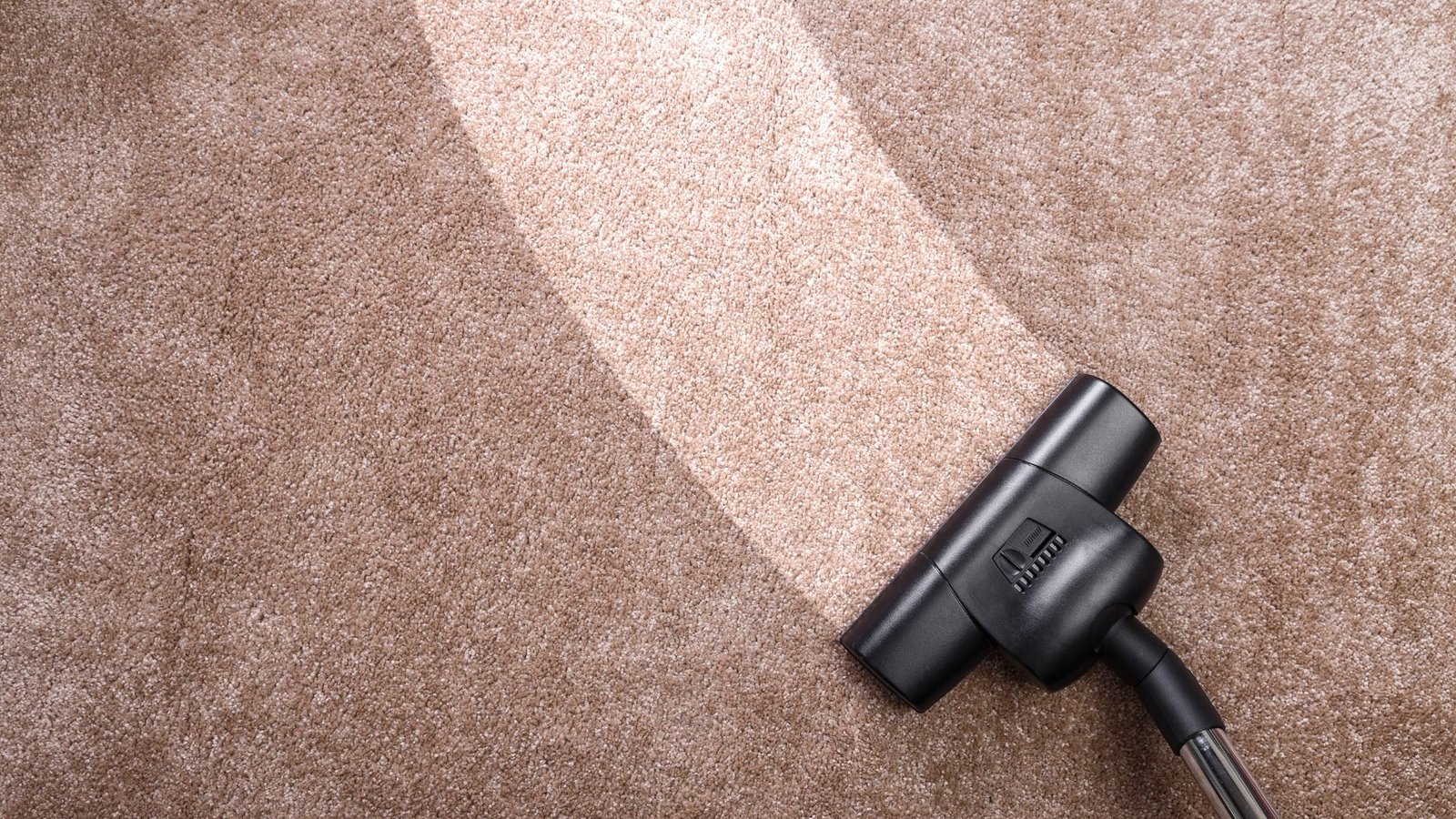
Traffic Patterns and Soil Lines
What to Look For:
- Dark pathways visible between entrances and workspaces
- Soil lanes leading from lobbies to offices, conference rooms, or elevators
- Lighter areas under furniture contrasting with surrounding darker carpet
- Defined walkways showing concentrated wear and soiling
- Edge soiling along walls and baseboards
Why It Happens:
- Daily foot traffic concentrates soil in specific paths
- Body oils and outdoor contaminants accumulate faster in high-traffic zones
- Regular vacuuming can’t remove embedded soil creating visible darkening
- Soil accumulation attracts additional dirt—accelerating visible difference
What It Means:
- Immediate professional cleaning needed to prevent permanent damage
- Embedded soil acts as abrasive—cutting carpet fibers with each footstep
- Traffic patterns create unprofessional appearance suggesting poor maintenance
- Waiting longer makes stains more difficult and expensive to remove
Business Impact:
- Clients and customers notice traffic patterns immediately
- Professional image suffers from visibly dirty carpets
- Employee morale affected by deteriorating workplace conditions
Visible Staining
Common Stain Types in Newbury Businesses:
- Coffee and beverage spills in break rooms and conference areas
- Food stains near eating areas and kitchen entrances
- Ink and office supply marks in workspaces
- Mud and salt tracking from New England weather (especially winter months)
- Mystery stains from unknown sources accumulated over time
Stain Progression:
- Fresh stains respond well to immediate treatment
- Set stains (days to weeks old) require professional intervention
- Aged stains (months to years) may be permanent despite professional efforts
- Multiple overlapping stains create generalized discoloration
Professional Assessment Needed When:
- DIY spot cleaning attempts fail to remove stains
- Stains reappear after cleaning (indicates deep contamination)
- Multiple stains create patchwork appearance
- High-visibility areas show any staining
Color Fading and Unevenness
Indicators:
- Carpet appears dull and lifeless compared to original installation
- Uneven coloration with some areas brighter than others
- Sun-faded sections near windows contrasting with covered areas
- Overall grayish cast over formerly vibrant colors
Causes:
- Soil accumulation dulls carpet appearance
- UV exposure from windows fades carpet dyes
- Chemical damage from improper cleaning products
- Natural wear combined with inadequate maintenance
Restoration Potential:
- Professional cleaning often restores surprising color vibrancy
- Soil removal reveals original colors hidden beneath contamination
- Some fading is permanent (UV damage, dye degradation)
- Regular professional cleaning prevents color loss
Matting and Texture Changes
What You’ll Notice:
- Carpet feels flat and compacted in traffic areas
- Loss of original plush texture and bounce
- Crushed appearance that doesn’t recover after vacuuming
- Rough or crunchy texture from residue buildup
Underlying Issues:
- Embedded soil weighs down fibers preventing natural resilience
- Residue from previous cleaning attempts creates stiff, sticky texture
- Lack of professional grooming leaves fibers permanently compressed
- Combination of soil and body oils cement fibers in flattened position
Why It Matters:
- Matted carpets wear out faster—fibers break more easily
- Professional appearance severely compromised
- Uncomfortable underfoot affecting employee and customer experience
- Indicates overdue professional deep cleaning
When you notice these visual signs in your Newbury business, schedule commercial carpet cleaning in Newbury immediately—waiting allows problems to worsen exponentially.
Odor-Related Indicators
Carpet odors signal contamination invisible to the eye:
Musty or Stale Smells
Characteristics:
- General staleness noticeable upon entering building
- Musty odor suggesting dampness or mildew
- “Old building” smell that shouldn’t exist in maintained spaces
- Odors intensifying on humid days or after rain
Sources:
- Moisture trapped in carpet backing or padding
- Mold or mildew growth in carpet depths
- Accumulated organic matter decomposing
- Poor ventilation allowing odor buildup
- Previous water damage never properly remediated
Health Implications:
- Mold spores trigger allergies and respiratory problems
- Bacterial growth creates unsanitary conditions
- Poor indoor air quality affects employee health and productivity
- Potential liability for health issues traced to workplace conditions
Business Consequences:
- Customers notice and remember unpleasant odors
- Professional credibility damaged by smelly environment
- Employee complaints about working conditions
- Difficult to mask—air fresheners provide only temporary relief
Food and Beverage Odors
Common in:
- Break rooms and kitchen areas
- Conference rooms where meals are served
- Reception areas with coffee service
- Any spaces where eating is permitted
Typical Smells:
- Sour milk or spoiled food odors
- Rancid grease from dropped food
- Coffee grounds and stale beverage smells
- Accumulated food particle decomposition
Why Professional Cleaning Needed:
- Food particles deep in carpet fibers decompose over time
- DIY cleaning can’t reach contamination in padding
- Organic matter attracts pests (ants, cockroaches, rodents)
- Health code concerns in food-adjacent businesses
Pet-Related Odors (If Applicable)
For Businesses Allowing Pets:
- Urine odor from accidents
- General “wet dog” smell
- Concentrated pet dander creating musty scent
- Marking behavior leaving pheromone odors
Unique Challenges:
- Pet urine penetrates to padding and subflooring
- Incomplete cleaning encourages repeat accidents
- Allergenic concerns for sensitive employees and customers
- Specialized enzymatic treatment required
Chemical or Cleaning Product Smells
Indicators of Problems:
- Strong chemical odors after in-house cleaning attempts
- Harsh “clean” smell that causes headaches or nausea
- Bleach or ammonia odors
- Fragrance overload from air fresheners masking underlying issues
What This Signals:
- Improper cleaning products used on carpets
- Residue buildup from products not properly rinsed
- Attempts to cover odors rather than eliminate sources
- Potential carpet damage from harsh chemicals
Solution:
- Professional cleaning removes chemical residues
- Proper product selection eliminates odors without harsh chemicals
- Deep extraction removes buildup causing ongoing smell
When odors persist despite regular vacuuming and ventilation, commercial carpet cleaning services in Newbury can identify sources and eliminate them properly—surface treatments never address root causes.
Health and Comfort Indicators
Sometimes carpets affect wellbeing before appearance obviously deteriorates:
Increased Allergy and Respiratory Symptoms
Employee Complaints:
- Sneezing, coughing, or congestion worsening at work
- Eye irritation and watery eyes
- Headaches developing during workday
- Asthma symptoms triggered or worsened
- Fatigue or difficulty concentrating
Underlying Causes:
- Carpets trap allergens: dust mites, pollen, pet dander, mold spores
- Accumulated particulates circulate through HVAC systems
- Bacterial growth in contaminated carpets
- Chemical off-gassing from residues or mold growth
When Symptoms Indicate Carpet Issues:
- Multiple employees experiencing similar symptoms
- Symptoms improve when away from office
- Seasonal worsening (pollen season, humid summer months)
- New or intensified symptoms coinciding with carpet aging
Business Implications:
- Increased sick leave and reduced productivity
- Workers’ compensation concerns
- Employee morale and retention issues
- Potential OSHA workplace safety concerns
Sticky or Uncomfortable Texture
What Employees Report:
- Carpets feeling tacky or sticky underfoot
- Shoes making slight pulling sound when walking
- Unpleasant sensation when feet contact carpet
- Carpets feeling damp or clammy
Causes:
- Residue from inadequate or improper cleaning
- Spilled beverages creating sticky buildup
- Body oils and skin cells accumulated over time
- High humidity combining with soil creating tackiness
Why It Matters:
- Uncomfortable for barefoot or stocking-foot situations
- Attracts additional soil rapidly
- Indicates residue interfering with carpet function
- Suggests previous cleaning attempts were incomplete
Visible Dust When Walking
What You’ll See:
- Dust particles rising when walking on carpet
- Fine powder accumulation on shoes after carpet contact
- Dust settling on nearby furniture and surfaces
- Visible particulate matter in air near carpets
Explanation:
- Carpet completely saturated with soil—can’t trap additional particles
- Lost filtration capacity from lack of professional cleaning
- Accumulated dust and debris being released rather than captured
Health and Appearance Impact:
- Reduced indoor air quality
- Increased dusting and cleaning needs for entire space
- Professional image damaged by dusty environment
- Respiratory irritation from airborne particles
When health and comfort indicators appear, carpet contamination has reached levels affecting your Newbury business’s most important asset—your people. Professional office carpet cleaning Newbury restores healthy indoor environments.
Maintenance Timeline Indicators
Sometimes the calendar itself signals cleaning needs:
Time Since Last Professional Cleaning
Recommended Frequencies:
- High-traffic businesses (retail, restaurants, medical): Every 3-6 months
- Moderate-traffic offices: Every 6-12 months
- Low-traffic professional spaces: Every 12-18 months
- Post-construction or renovation: Immediately
- After water damage: Within 24-48 hours
Red Flags:
- Can’t remember last professional cleaning
- Last cleaning was over 18 months ago
- Only cleaned carpets once since installation
- Never professionally cleaned (relying only on vacuuming)
Why Timing Matters:
- Soil accumulation accelerates exponentially without professional removal
- Waiting too long allows permanent damage
- Regular cleaning costs far less than infrequent deep restoration
- Carpet warranties often require documented regular professional cleaning
Seasonal Considerations for Newbury Businesses
Post-Winter Cleaning (March-April):
- Months of tracked salt, sand, and mud
- Heating season dust accumulation
- Closed-building air quality issues
- Preparation for spring customer activity
Pre-Summer Cleaning (May-June):
- Prepare for increased tourist and visitor traffic
- Remove spring pollen and allergen accumulation
- Ready for summer business peak
- Optimal drying conditions
Fall Maintenance (September-October):
- Remove summer dust and activity buildup
- Prepare for holiday season
- Address accumulated soil before wet winter weather
- Good drying conditions before heating season
Mid-Winter Spot Cleaning:
- Address salt and de-icer stains promptly
- Prevent permanent damage from winter chemicals
- Maintain appearance during important holiday business period
Event-Based Cleaning Needs
Before Major Events:
- Client appreciation events
- Industry conferences or meetings
- Open houses or grand openings
- Important client visits or presentations
- Holiday parties
After Significant Events:
- Large gatherings with food and beverage service
- Construction or renovation projects
- Flooding or water infiltration
- Pest infestation treatment
- Sale or lease of property
When calendar indicators align with other warning signs, don’t delay—schedule office carpet cleaning in Newbury to protect your investment and professional image.
Performance and Functional Indicators
How carpets function reveals their condition:
Rapid Re-Soiling
What You’ll Notice:
- Carpets look dirty shortly after cleaning
- High-traffic areas darken within days
- Spills and stains seem to appear faster than before
- Overall “never stays clean” impression
Root Causes:
- Residue from previous cleaning attempts attracts soil like magnet
- Carpet fibers damaged and rough—trap soil more easily
- Inadequate or improper cleaning leaving contamination behind
- Lack of protective treatments allowing immediate soil penetration
What This Means:
- Previous cleaning was inadequate or improperly performed
- Professional deep extraction needed to remove residue and embedded soil
- Possible need for stain protection application
- Current cleaning methods insufficient for your traffic level
Water or Moisture Retention
Indicators:
- Carpets remaining damp for extended periods after spills
- Slow drying after cleaning (over 24 hours)
- Carpet feeling spongy or giving extra cushion when walked on
- Dark spots appearing after rain or humid weather
Serious Concerns:
- Padding may be saturated or deteriorated
- Potential mold growth in carpet depths
- Subflooring may be damaged
- Indicates previous water damage never properly addressed
Immediate Action Required:
- Professional assessment of carpet, padding, and subfloor
- May need extraction, drying, or replacement
- Mold remediation potentially necessary
- Health and safety priority
Carpet Shedding or Fuzzing
What You’ll See:
- Excessive fiber accumulation in vacuum
- Fuzzy appearance on carpet surface
- Pills or fiber balls forming
- Carpet appears to be disintegrating
Possible Causes:
- Normal wear from high traffic
- Chemical damage from harsh cleaning products
- Carpet age and fiber degradation
- Accumulated soil acting as abrasive
Professional Assessment Needed:
- Determine if cleaning can improve condition
- Evaluate remaining carpet life
- Recommend whether cleaning is worthwhile investment
- Suggest replacement timeline if beyond restoration
Delamination or Separation
Warning Signs:
- Bubbles or wrinkles appearing in carpet
- Edges pulling away from tack strips
- Backing visible through carpet in places
- Carpet feeling loose or moving underfoot
Causes:
- Moisture damage to backing and adhesives
- Age-related adhesive failure
- Improper or excessive wet cleaning
- Water damage events
What It Means:
- May need re-stretching or replacement
- Cleaning alone won’t resolve structural issues
- Professional assessment required
- Safety hazard—trip risk for employees and customers
When functional problems appear, contact business carpet cleaning in Newbury professionals for assessment—sometimes cleaning helps, but occasionally replacement is more appropriate recommendation.
Industry-Specific Indicators
Different business types have unique warning signs:
Medical and Dental Offices
Specific Concerns:
- Visible foot traffic from waiting room to exam areas
- Subtle odors in patient areas
- Staining near treatment rooms
- Any patient or staff complaints about cleanliness
Higher Standards:
- Infection control requirements
- Patient perception of sanitation
- Regulatory compliance considerations
- Quarterly cleaning often necessary
Retail Establishments
Key Indicators:
- Entrance area showing heavy soiling
- Comparison with competitors’ carpet appearance
- Customer comments or complaints
- Fitting room or dressing area condition
- Seasons changing (holiday prep, spring freshening)
Competitive Pressure:
- Customer shopping experience affected by cleanliness
- Visual merchandising compromised by dirty carpets
- Online reviews mentioning cleanliness
- Foot traffic volumes demanding frequent cleaning
Professional Offices (Legal, Financial, Real Estate)
Signs Cleaning Needed:
- Conference rooms showing wear from client meetings
- Reception area making poor first impression
- Any visible staining in client-facing spaces
- Employee comments about workspace appearance
Reputation Impact:
- Professional image directly tied to facility cleanliness
- Client confidence affected by office appearance
- Competitive advantage through immaculate presentation
Restaurants and Food Service
Critical Indicators:
- Any odors in dining areas
- Visible spills or staining
- Sticky texture underfoot
- Health inspector comments or concerns
- Customer reviews mentioning cleanliness
Regulatory Requirements:
- Health code compliance
- Sanitation standards
- Regular documented cleaning often mandated
- Failed inspection consequences severe
Gyms and Fitness Centers
Unique Signs:
- Moisture or dampness in carpet areas
- Bacterial or musty odors
- Heavy soiling from equipment and foot traffic
- Member comments about cleanliness
Health Concerns:
- Sweat and moisture creating bacterial growth
- High contact environment requiring sanitization
- Athlete’s foot and bacterial transmission risks
- Monthly cleaning often minimum requirement
Each industry has standards and expectations—understanding your sector’s specific needs helps determine appropriate cleaning frequency and recognizing relevant warning signs.
Cost of Delay: Why Waiting Worsens Problems
Postponing professional cleaning when indicators appear creates escalating consequences:
Financial Impact
Progressive Damage:
- Embedded soil acts as abrasive—cutting fibers and reducing carpet life by 50% or more
- Traffic patterns become permanent—even professional cleaning can’t fully restore
- Stains set over time—removal becomes impossible requiring replacement
- Bacteria and mold growth damage backing and padding—necessitating complete replacement
Cost Comparison:
- Routine professional cleaning: $500-$2,000 annually
- Delayed deep restoration cleaning: $2,000-$5,000
- Premature carpet replacement: $10,000-$50,000+
- Savings from proactive maintenance: $8,000-$45,000 over carpet lifespan
Health and Safety Consequences
Employee Impact:
- Increased sick leave from poor air quality
- Workers’ compensation claims for workplace-related illness
- Reduced productivity from uncomfortable environment
- Recruitment and retention challenges
Customer/Client Impact:
- Health complaints or illnesses traced to business
- Liability for allergic reactions or respiratory distress
- Reputation damage from health concerns
Business Reputation Damage
Online Review Impact:
- Negative reviews mentioning dirty carpets persist indefinitely
- One-star rating decrease correlates with 5-9% revenue decline (Harvard research)
- Cleanliness complaints deter potential customers
Word-of-Mouth Effects:
- Client complaints spread through community
- Professional reputation damaged by poor facility maintenance
- Competitive disadvantage to businesses maintaining cleaner environments
Regulatory Risks
Potential Consequences:
- Health code violations in regulated industries
- OSHA workplace safety concerns
- Lease violations if property maintenance standards specified
- Insurance claim denials if proper maintenance not documented
The cost of scheduling commercial floor cleaning Newbury when indicators first appear is minimal compared to consequences of delay—proactive maintenance always costs less than reactive crisis management.
Creating a Proactive Maintenance Schedule
Rather than waiting for obvious problems, establish systematic approach:
Assessment Protocol
Quarterly Visual Inspections:
- Walk through all carpeted areas
- Photograph traffic patterns and problem areas
- Compare to previous inspection photos
- Note any changes in appearance or condition
Monthly Spot Checks:
- High-traffic areas
- Entrance zones
- Conference and meeting rooms
- Break rooms and eating areas
Employee Feedback System:
- Regular surveys about workplace comfort
- Reporting mechanism for concerns
- Tracking of health complaints
Scheduled Cleaning Plan
Base Frequency:
- Establish cleaning schedule appropriate for business type and traffic
- Calendar reminders for scheduled service
- Budget allocation for regular maintenance
Seasonal Adjustments:
- Increase frequency during high-traffic seasons
- Post-winter salt and mud cleanup
- Pre-holiday preparation
Event-Based Additions:
- Before important meetings or events
- After construction or renovation
- Following any water infiltration
- Post-peak business periods
Documentation System
Maintain Records:
- Dates of professional cleaning services
- Service provider information
- Products and methods used
- Before-and-after photos
- Cost tracking
Purpose:
- Warranty compliance documentation
- Lease requirement proof
- Budget planning data
- Service provider performance evaluation
- Historical reference for optimal scheduling
Professional Partnership
Select Reliable Provider:
- Local Newbury service understanding area challenges
- Experienced with your business type
- Flexible scheduling accommodating business hours
- Clear communication and responsive service
Build Relationship:
- Regular provider learns your facility and preferences
- Priority scheduling during busy seasons
- Proactive recommendations for emerging issues
- Volume or loyalty discounts
Systematic maintenance prevents ever reaching crisis points where obvious indicators demand emergency intervention—protecting carpets, health, and budget simultaneously.
Take Action Before Problems Escalate
Your Newbury business’s carpets silently accumulate soil, contaminants, and damage every single day—the question isn’t whether they need professional cleaning, but when to schedule it. Recognizing the warning signs discussed throughout this guide empowers you to act proactively rather than reactively, protecting your carpet investment while maintaining the professional environment your business deserves.
From visible traffic patterns and persistent odors to employee health complaints and functional problems, these indicators signal contamination levels that regular vacuuming cannot address. Waiting for carpets to look “really dirty” before scheduling professional cleaning allows permanent damage, creates unnecessary health risks, and ultimately costs far more than proactive maintenance programs.
Whether your Newbury business operates near the Parker River, serves customers along Route 1, or provides professional services in the historic downtown, your carpets affect every aspect of your operation—from first impressions and customer satisfaction to employee health and productivity. Don’t let deteriorating carpet condition undermine everything else you do right in your business.
Review your carpets today using the indicators outlined in this guide. If you recognize multiple warning signs, schedule professional cleaning immediately. If your carpets appear acceptable but haven’t been professionally cleaned in over a year, schedule maintenance now before problems develop. And if you’re unsure about your carpet’s condition, request professional assessment—reputable providers offer consultations helping you make informed decisions about your specific situation.
Your Newbury business deserves carpets that enhance rather than detract from your professional image, support rather than compromise employee health, and last their full expected lifespan through proper maintenance. Make the call today—your carpets, your employees, and your bottom line will thank you.