What to Expect from Professional Commercial Carpet Cleaning in Lynn, MA
Your Lynn business’s carpets represent a significant investment and play a crucial role in the impression you make on clients, customers, and employees. Whether your office is located downtown near Lynn City Hall, in the thriving Union Street business district, or in one of the industrial parks along the Lynnway, understanding what professional commercial carpet cleaning entails helps you make informed decisions and set appropriate expectations.
Many Lynn business owners delay professional carpet cleaning because they’re unsure what the process involves, how long it takes, or how it might disrupt operations. This comprehensive guide walks you through every step of professional commercial carpet cleaning—from initial contact through final inspection—so you know exactly what to expect and can plan accordingly.
Professional Commercial Carpet Cleaning Overview
Professional commercial carpet cleaning typically involves: pre-inspection and assessment, furniture moving and area preparation, pre-vacuuming to remove loose soil, pre-treatment of stains and high-traffic areas, hot water extraction or low-moisture cleaning depending on needs, post-treatment stain protection (optional), drying with industrial fans and dehumidifiers, post-cleaning inspection, and recommendations for ongoing maintenance. The entire process for an average office takes 3-6 hours depending on square footage, soil level, and specific services requested, with most businesses operational within 4-8 hours of completion.
This systematic approach ensures thorough cleaning while minimizing business disruption—exactly what Lynn commercial clients need.
Step 1: Initial Contact and Consultation
Your professional carpet cleaning experience begins before technicians arrive:
Phone or Online Inquiry
Information Gathered: Square footage of carpeted areas, type of business and normal operating hours, last professional cleaning date, specific concerns (stains, odors, heavy traffic areas), desired service date and timing preferences, number of employees and typical daily traffic.
Questions You Should Ask: What cleaning methods do you use?, Can you work outside business hours?, What is your typical drying time?, Do you move furniture?, What products do you use?, Are you insured and licensed?, Can you provide references from other Lynn businesses?
What to Expect: Professional companies respond within 24 hours, ask detailed questions about your needs, explain their process clearly, offer to schedule on-site assessment for large or complex jobs.
On-Site Assessment (For Larger Jobs)
When Offered: Jobs over 5,000 square feet, first-time clients, businesses with special requirements, properties with known problem areas.
Assessment Process: Walk-through of all carpeted areas, identification of problem spots and stains, evaluation of carpet type and condition, discussion of business schedule and constraints, measurements and square footage verification, explanation of recommended cleaning approach.
Written Estimate: Detailed breakdown of costs per area or square foot, additional services itemized separately (stain protection, deodorizing, furniture moving), expected timeline from start to completion, guarantee or warranty information, payment terms and scheduling options.
What to Provide: Access to all areas requiring cleaning, information about carpet age and previous cleanings, details about any known damage or concerns, preferred timing and any scheduling restrictions.
This thorough consultation ensures no surprises on service day—professionals understand your needs and you understand what you’re paying for.
Step 2: Pre-Cleaning Preparation
Before the cleaning crew arrives, preparation ensures efficient service:
What You Should Do Before Service Day
Clear Small Items: Remove trash cans, floor plants, small decorative items, personal items from desks near cleaning areas.
Secure Important Documents: Remove papers from floors, secure loose items on desks, protect any floor-level filing or storage from moisture.
Identify Problem Areas: Mark any specific stains or heavily soiled areas you want addressed, note any carpet damage or pre-existing issues.
Provide Access: Ensure parking is available for service vehicles (important for truck-mounted systems), unlock all areas requiring cleaning, provide building access instructions if service occurs after hours.
Communicate with Staff: Inform employees about scheduled cleaning, explain any workspace restrictions during service, coordinate furniture access if needed.
Pets and Security: Secure pets if applicable, provide alarm codes or security instructions for after-hours service.
What the Cleaning Company Handles
Furniture Moving: Most companies move light furniture (chairs, small tables, waste baskets), clearly communicate what you’ll move vs. what they handle, heavy items like desks, filing cabinets, and equipment typically stay in place with cleaning around them.
Floor Protection: Place protective blocks under furniture legs to prevent staining from wood stain or rust during drying, use plastic sheeting to protect furniture from overspray.
Equipment Setup: Position truck-mounted equipment (hoses run from truck to building), set up industrial fans and dehumidifiers, organize cleaning solutions and tools.
Professional commercial carpet cleaning in Lynn services coordinate all these elements to create smooth, efficient service experiences.
Step 3: Pre-Inspection and Documentation
Upon arrival, professional technicians perform detailed pre-service inspection:
What Technicians Examine
Overall Carpet Condition: Age and wear level, fiber type and construction, existing damage (tears, burns, stains), areas of concern requiring special attention.
Stain Identification: Type of stains present (food, beverage, grease, ink, unknown), age of stains (fresh vs. set), likelihood of complete removal, whether stains have been previously treated.
Traffic Patterns: High-traffic lanes showing soil accumulation, matted areas from foot traffic, furniture impression areas, edge soiling near walls and baseboards.
Odor Assessment: Presence of any odors requiring treatment, source identification (pet accidents, mildew, food), appropriate deodorizing approach.
Special Concerns: Water damage or moisture issues, mold or mildew presence, delicate areas requiring extra care, furniture that may bleed or transfer color.
Documentation Process
Photography: Before photos document pre-existing conditions, protect company from damage claims for pre-existing issues, allow before-and-after comparison.
Written Notes: Detail specific problem areas, document client requests and expectations, note any limitations or concerns, create service record for future reference.
Client Communication: Explain findings and any concerns, adjust expectations for difficult stains, recommend additional services if appropriate, confirm agreed-upon scope of work.
This inspection protects both parties—you understand what can realistically be achieved, and the company documents existing conditions to prevent disputes.
Step 4: Pre-Vacuuming
Thorough vacuuming is the crucial first cleaning step:
Why Pre-Vacuuming Matters
Removes Dry Soil: 80% of soil in carpets is dry particulate matter—removing it before wet cleaning prevents mud formation.
Protects Equipment: Prevents debris from clogging extraction equipment and spray jets.
Improves Cleaning Results: Allows cleaning solutions to contact carpet fibers directly rather than coating soil particles.
Extends Carpet Life: Removes abrasive particles that cut carpet fibers during foot traffic.
Professional Vacuuming Process
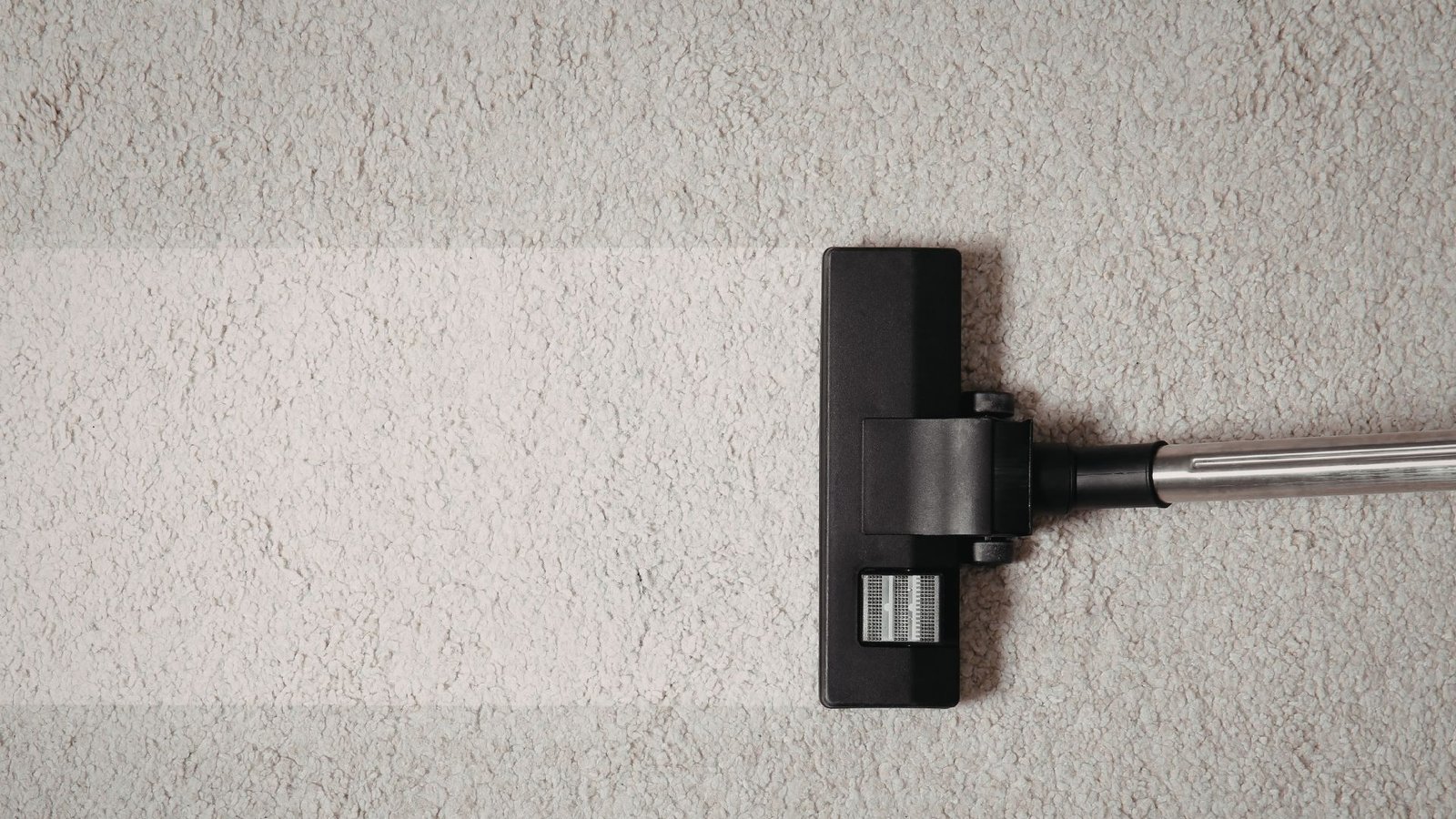
Commercial Equipment: Industrial vacuums with HEPA filtration and powerful suction—far superior to typical building maintenance vacuums.
Systematic Approach: Overlapping passes in multiple directions, extra attention to edges and corners, crevice tool use along baseboards and under furniture.
Time Investment: Professional pre-vacuuming takes 20-40 minutes for average office—thorough job essential for quality results.
Debris Disposal: Vacuum contents disposed of properly—important for businesses with confidential shredded documents in carpet.
Some business owners think they can skip this by vacuuming themselves—but professional-grade equipment and technique make substantial differences in final results.
Step 5: Pre-Treatment Application
Targeted treatment of problem areas precedes overall cleaning:
Stain and Spot Treatment
Product Selection: Professionals use different products for different stain types—grease removers, tannin removers, protein removers, ink removers, rust removers.
Application Technique: Direct application to stains, dwell time allowing chemicals to work (typically 5-15 minutes), agitation to break down stain bonds.
Realistic Expectations: Professionals explain which stains are likely permanent, identify stains requiring special treatment or multiple attempts, recommend against over-treating if damage risk exists.
Traffic Lane Pre-Treatment
High-Soil Areas: Hallways, entrances, and paths between departments accumulate more soil—require stronger treatment than general carpet areas.
Product Application: More concentrated solutions for heavy soil, longer dwell times for embedded dirt, mechanical agitation breaking soil bonds.
Even Cleaning Results: Pre-treatment prevents traffic lanes remaining darker than surrounding carpet after cleaning.
Odor Treatment
Source Identification: Locate odor sources (could be padding, not just carpet surface), determine appropriate treatment approach.
Product Application: Enzymatic treatments for organic odors, antimicrobial treatments for bacterial growth, deodorizers that neutralize rather than mask.
Pre-Conditioning
Entire Carpet Treatment: Light application of cleaning solution over all carpeted areas, breaks down oils and soil bonds, prepares carpet for extraction cleaning.
Dwell Time: 10-15 minutes allowing chemistry to work before extraction begins.
This multi-layered pre-treatment approach addresses different contamination types with appropriate chemistry—far beyond what single-product DIY approaches can achieve.
Step 6: Deep Cleaning Process
The main cleaning employs one of several professional methods:
Hot Water Extraction (Steam Cleaning)
Most Common Method: Used by 90% of commercial carpet cleaning services for deep cleaning.
Process Details:
- Hot water (180-200°F) mixed with cleaning solution injected into carpet under pressure
- Solution agitates fibers and suspends soil
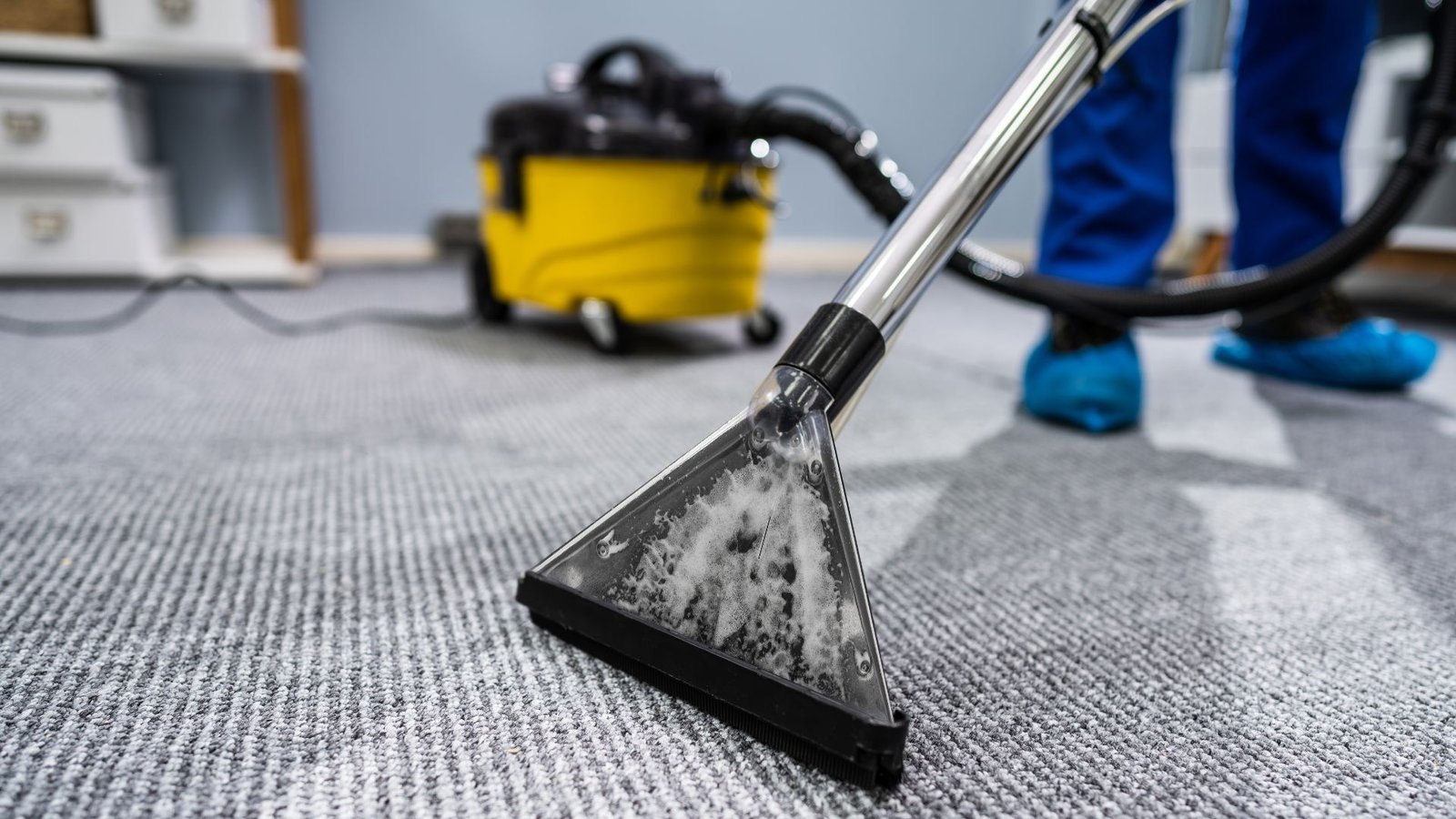
- Powerful vacuum immediately extracts water, soil, and cleaning products
- Multiple overlapping passes ensure thorough cleaning
- Special attention to edges, corners, and under-desk areas
Equipment Types:
- Truck-Mounted Systems: Most powerful—equipment in vehicle with hoses running to building, superior heating and extraction power, preferred for large commercial jobs
- Portable Extractors: For buildings without truck access, less powerful but adequate for smaller spaces, easier maneuvering in tight areas
Drying Time: 6-12 hours depending on humidity, airflow, and carpet type.
Best For: Annual deep cleaning, heavily soiled carpets, businesses that can close or restrict access during drying.
Low-Moisture Encapsulation Cleaning
Growing Popularity: Increasingly common for commercial carpet cleaning services in Lynn due to fast drying.
Process Details:
- Polymer-based cleaning solution applied to carpet
- Cylindrical brush machine agitates solution into fibers
- Polymers surround and crystallize soil particles
- Crystallized soil vacuumed away (usually next day)
- Minimal water used throughout process
Drying Time: 1-2 hours—carpets usable almost immediately.
Best For: Routine maintenance cleaning, businesses requiring minimal downtime, facilities operating 24/7, carpets cleaned regularly (quarterly or more frequently).
Limitations: Not as effective as extraction for heavily soiled carpets, doesn’t deep clean padding, less effective on thick carpet pile.
Bonnet Cleaning
Surface Cleaning Method: Less common for primary cleaning but used for interim maintenance.
Process Details:
- Cleaning solution applied to carpet surface
- Rotary machine with absorbent pad (bonnet) spins over carpet
- Pad absorbs soil from carpet surface
- Pads changed frequently as they soil
- Quick drying (2-4 hours)
Best For: Appearance cleaning between deep cleanings, preparing for events or inspections, maintaining showrooms and retail spaces.
Limitations: Surface-only cleaning—doesn’t clean padding or lower fiber areas, can cause soil wicking if used exclusively.
Dry Cleaning
Low-Moisture Alternative: Uses minimal or no water.
Process Details:
- Absorbent compound or powder applied to carpet
- Compound attracts and absorbs soil
- Machine agitates compound into fibers
- Compound vacuumed away with absorbed soil
- Immediate use—no drying required
Best For: Water-sensitive carpets, glued-down carpet in commercial spaces, immediate-use requirements.
Limitations: Most expensive method, less effective on heavy soil, requires special equipment.
Most Lynn businesses benefit from hot water extraction for annual deep cleaning supplemented by quarterly low-moisture maintenance—discuss options with your office carpet cleaning Lynn provider based on your specific needs.
Step 7: Post-Cleaning Treatments
After primary cleaning, optional treatments enhance results:
Stain Protection Application
What It Is: Fluorochemical treatments (Scotchgard, etc.) create protective barrier on carpet fibers.
Benefits: Spills bead up rather than soaking in, soil doesn’t bond as tightly to fibers, easier maintenance between professional cleanings, extends carpet life.
Application: Spray application after carpet is clean but still damp, even coverage across all treated areas, no additional drying time required.
Cost: Typically $0.10-$0.25 per square foot.
Recommended For: High-traffic areas, businesses where spills are common (break rooms, conference rooms), newly cleaned carpets in public areas.
Deodorization
Beyond Surface Odors: Professional deodorizers penetrate to padding and neutralize odor sources.
Application Types: Enzymatic treatments for organic odors, antimicrobial treatments for bacterial odors, oxidizing treatments for general mustiness.
Process: Applied during or after extraction cleaning, requires drying time to work effectively, neutralizes rather than masks odors.
Cost: $50-$200 depending on severity and area size.
Recommended For: Businesses with persistent odors, food service facilities, offices with pet-friendly policies, buildings with previous water damage.
Sanitization
Healthcare Standards: EPA-approved disinfectants eliminate bacteria, viruses, and pathogens.
Application: Post-extraction application, appropriate dwell time for effectiveness, safe for use once dry.
Cost: $100-$300 for average office.
Recommended For: Medical offices, dental practices, daycare facilities, gyms and fitness centers, food service areas.
Speed Drying Treatment
Accelerated Drying: Chemicals that help moisture evaporate faster.
Benefits: Reduces drying time by 30-50%, minimizes mold risk in humid conditions, allows faster return to normal operations.
Application: Applied during final extraction pass, no additional cost in most cases.
Recommended For: Businesses requiring quick turnaround, humid seasons, basements or areas with limited airflow.
Discuss these optional treatments during consultation—not all businesses need them, but they enhance results when appropriate.
Step 8: Drying Process
Proper drying prevents problems and allows quick return to operations:
Professional Drying Equipment
Air Movers: High-velocity fans positioned throughout cleaned areas, move air across carpet surface accelerating evaporation, industrial units far more powerful than household fans.
Dehumidifiers: Remove moisture from air, prevent humidity buildup in closed spaces, especially important in basements or poorly ventilated areas.
HVAC Utilization: Climate control systems aid drying if available, professionals may adjust settings to optimize airflow.
Drying Time Factors
Humidity: Lower humidity means faster drying—summer humidity in Lynn can extend drying time.
Temperature: Warmer temperatures accelerate evaporation—winter heating helps drying.
Airflow: Open windows, fans, and HVAC circulation significantly impact drying speed.
Carpet Type: Cut pile dries faster than loop pile, synthetic fibers dry faster than wool, thin carpet dries faster than thick.
Cleaning Method: Hot water extraction: 6-12 hours, low-moisture encapsulation: 1-2 hours, bonnet cleaning: 2-4 hours, dry cleaning: immediate.
Water Extraction Quality: Powerful truck-mounted systems remove more water initially—dramatically reduces drying time.
Accelerating Drying
What the Company Does: Positions air movers strategically, removes as much moisture as possible during extraction, applies speed-dry treatments when appropriate.
What You Can Do: Maintain comfortable building temperature (68-72°F), run HVAC system to circulate air, open windows if weather permits (dry, low-humidity days), avoid walking on wet carpet when possible.
After-Hours Advantage: Overnight cleaning allows undisturbed drying time—carpets often dry before staff arrives next morning.
Most Lynn businesses find carpets dry enough for normal use within 6-8 hours of professional extraction cleaning—low-moisture methods allow even faster return to operations.
Step 9: Post-Cleaning Inspection
Professional service includes final quality check:
What Technicians Review
Overall Appearance: Even cleaning without streaks or lines, consistent color throughout, proper pile restoration (grooming).
Stain Results: Evaluate effectiveness of stain treatment, note any remaining stains, explain if additional treatment possible or if stains are permanent.
Edge and Corner Coverage: Verify complete cleaning to baseboards, check under furniture that was accessible, inspect transitions between rooms or floor types.
Moisture Levels: Ensure proper extraction—carpet should be damp but not soaking wet, verify no over-wetting that could cause problems.
Equipment Removal: All hoses, fans, and equipment accounted for, area left clean and orderly.
Client Walk-Through
Your Inspection: Walk through cleaned areas with technician while still on-site, point out any concerns or missed spots, ask questions about results or maintenance.
Addressing Issues: Professionals address legitimate concerns immediately, re-clean areas that didn’t meet standards, explain limitations for permanent stains or wear patterns.
Documentation: Before-and-after photos if requested, signed service completion form, care and maintenance instructions.
Payment and Guarantees: Complete payment transaction, receive written guarantee or warranty information, get contact information for follow-up if needed.
Never hesitate to speak up during this inspection—legitimate companies want you satisfied and will address concerns while on-site.
Step 10: Post-Cleaning Care Instructions
Professionals provide guidance for maintaining results:
Immediate Care (First 24 Hours)
Minimize Traffic: Keep foot traffic light until completely dry, place “wet carpet” signs if needed, avoid moving furniture back until fully dry.
Maintain Airflow: Keep fans running as directed, maintain comfortable temperature, leave windows open if weather appropriate.
No Spot Cleaning: Resist urge to treat any remaining spots until carpet fully dries—some spots lighten as they dry, premature treatment can set stains.
Protect from Furniture: Don’t replace furniture on damp carpet—moisture transfers causing wood stain or rust marks.
Ongoing Maintenance Recommendations
Vacuuming Schedule: High-traffic areas daily, medium-traffic areas 2-3 times weekly, low-traffic areas weekly minimum.
Entrance Mats: Use both exterior and interior mats at all entrances, clean or replace mats regularly, ensure mats are large enough (minimum 6-10 feet of matting).
Immediate Spot Cleaning: Blot spills immediately—never rub, use approved spot cleaners, test products in inconspicuous areas first.
Professional Cleaning Frequency: Heavy traffic offices: quarterly, moderate traffic offices: semi-annually, light traffic offices: annually.
Interim Maintenance: Consider low-moisture cleaning between deep extractions, spot clean problem areas as needed, address spills professionally if DIY efforts fail.
What to Avoid
Harsh Chemicals: Never use bleach, strong alkaline cleaners, or unapproved products—can damage fibers and void warranties.
Over-Wetting: Consumer carpet cleaners often over-wet—creates mold risk and soil wicking problems.
Aggressive Scrubbing: Damages carpet fibers and can spread stains rather than removing them.
Walking with Dirty Shoes: Tracked-in dirt undoes cleaning investment—maintain shoe removal or cleaning policies.
Following these guidelines extends time between professional cleanings and protects your carpet investment.
Timeline: What to Expect from Start to Finish
Understanding timing helps with planning and scheduling:
Typical Service Timeline
Initial Contact to Scheduled Service: 3-14 days depending on season and provider schedule, peak times (spring and fall) may require longer lead times, emergency service available for water damage or urgent needs.
On-Site Time (Average Office 3,000-5,000 sq ft):
- Arrival and setup: 15-20 minutes
- Pre-inspection: 10-15 minutes
- Pre-vacuuming: 20-30 minutes
- Pre-treatment: 15-25 minutes
- Main cleaning: 1.5-3 hours
- Post-treatment (if applicable): 15-30 minutes
- Final inspection and cleanup: 15-20 minutes
- Total on-site time: 3-5 hours
Drying Time:
- Low-moisture cleaning: 1-2 hours
- Hot water extraction: 6-12 hours
- Bonnet cleaning: 2-4 hours
Return to Normal Operations:
- Immediate (dry cleaning): 0 hours
- Quick turnaround (low-moisture): 2-4 hours
- Standard (hot water extraction): 8-12 hours from start
After-Hours Service Timeline:
- Start cleaning after business closes (6:00 PM typical)
- Complete cleaning by 10:00 PM-midnight
- Leave fans running overnight
- Carpets dry and ready for normal use when staff arrives next morning
This timeline flexibility allows Lynn businesses to choose approaches that minimize operational disruption.
Cost Expectations
Understanding pricing helps budget appropriately:
Common Pricing Structures
Per Square Foot: $0.15-$0.40 per square foot depending on cleaning method, carpet condition, additional services required.
Per Room: Fixed rates for standard office sizes, typically $75-$200 per room, varies with furniture density and soil level.
Hourly Rates: Less common for commercial work, typically $75-$150 per hour plus materials.
Package Pricing: Flat rates for comprehensive facility cleaning, often includes multiple rooms or entire floor, volume discounts for larger jobs.
Average Costs for Lynn Businesses
Small Office (1,000-2,000 sq ft): $200-$600 Medium Office (2,000-5,000 sq ft): $600-$1,500 Large Office (5,000-10,000 sq ft): $1,500-$3,000 Multi-Floor Buildings: $3,000-$8,000+ depending on size
Additional Service Costs
Stain protection: +$0.10-$0.25 per square foot Deodorization: +$50-$200 Sanitization: +$100-$300 Furniture moving: +$50-$200 if extensive After-hours service: +10-25% premium (some companies) Rush service: +25-50% for emergency scheduling
Factors Affecting Cost
Carpet Condition: Heavily soiled carpets cost more to clean—require additional time and product.
Accessibility: Upper floors without elevator access, difficult parking, or complex building access may increase costs.
Carpet Type: Berber and loop pile may cost more than cut pile, delicate fibers require special care increasing time and cost.
Geographic Location: Downtown Lynn may have parking challenges affecting costs, suburban locations typically easier access.
Frequency: Regular clients often receive maintenance contract discounts, first-time deep cleaning costs more than routine maintenance.
Get written estimates from at least three business carpet cleaning in Lynn providers—but remember cheapest isn’t always best value.
Red Flags and Quality Indicators
Distinguishing professional service from poor providers:
Signs of Professional Quality
Detailed Assessment: Thorough pre-inspection with written documentation, honest discussion of realistic results, clear explanation of process and timing.
Proper Equipment: Truck-mounted systems or high-quality portable extractors, professional-grade vacuums and pre-treatment tools, adequate air movers and drying equipment.
Trained Technicians: IICRC certification or equivalent training, knowledgeable about different carpet types and cleaning methods, professional appearance and communication.
Appropriate Insurance: Commercial general liability ($1-2 million minimum), workers’ compensation coverage, bonding for theft protection.
Clear Communication: Responsive to inquiries, transparent pricing with written estimates, realistic timelines and expectations.
Quality Guarantee: Stand behind work with satisfaction guarantee, willing to return if problems arise, clear explanation of what is and isn’t guaranteed.
Warning Signs of Poor Service
Unusually Low Pricing: Significantly below market rates often indicates inferior equipment, products, or training—shortcuts lead to poor results.
Pressure Tactics: Demanding immediate decisions, “today only” pricing, aggressive upselling of unnecessary services.
Vague Processes: Can’t or won’t explain cleaning methods, unclear about products used, evasive about equipment or certification.
No Physical Address: Legitimate businesses have verifiable locations—cell-phone-only operations raise concerns.
Inadequate Insurance: No insurance or coverage limits too low for commercial properties—exposes your business to liability.
Poor Communication: Slow response times, missed appointments, unreturned calls suggest unreliable service.
Cash-Only Payment: Professional businesses accept standard payment methods—cash-only requirements suggest tax evasion or lack of legitimacy.
Unrealistic Promises: Guarantees to remove all stains (impossible), claims carpets will “look brand new” (unrealistic for older carpets), guarantees indefinite results without maintenance.
Trust your instincts—if something feels off during initial interactions, continue your search for office carpet cleaning in Lynn providers.
Benefits You’ll Notice After Professional Cleaning
Understanding results helps set appropriate expectations:
Immediate Visual Improvements
Enhanced Color: Soil removal reveals carpet’s true color—often much brighter than remembered.
Traffic Lane Elimination: Dirty pathways disappear with proper pre-treatment and cleaning.
Stain Reduction: Most stains lighten significantly or disappear completely with professional treatment.
Pile Restoration: Professional grooming restores carpet texture and appearance.
Fresh Appearance: Overall clean, refreshed look throughout facility.
Health and Air Quality Benefits
Allergen Removal: Deep extraction removes dust mites, pollen, and pet dander trapped in carpets.
Bacteria Elimination: Hot water and antimicrobial treatments kill harmful microorganisms.
Odor Elimination: Proper deodorization removes rather than masks odors.
Improved Air Quality: Clean carpets trap fewer particles that would otherwise circulate through HVAC systems.
Healthier Workplace: Reduces employee sick days related to poor indoor air quality.
Operational Benefits
Professional Image: Clean carpets enhance client and customer impressions.
Employee Morale: Clean, fresh workplace improves satisfaction and productivity.
Extended Carpet Life: Regular professional cleaning adds 3-5 years to carpet lifespan—delays expensive replacement.
Maintained Property Value: Well-maintained facilities command higher lease rates or sale prices.
Warranty Compliance: Regular professional cleaning often required for carpet warranty validity.
Long-Term Cost Savings
Prevented Replacement: $20,000 in carpet replacement costs deferred through proper maintenance program.
Reduced Sick Leave: Healthier workplace means fewer employee illnesses—saves on lost productivity.
Energy Efficiency: Clean carpets don’t trap as much dust—HVAC systems operate more efficiently.
Avoided Emergency Costs: Regular maintenance prevents problems requiring expensive emergency remediation.
These benefits demonstrate why professional carpet cleaning is an investment rather than an expense—returns exceed costs through extended carpet life, improved health, and enhanced business operations.
Make Professional Cleaning Work for Your Lynn Business
Understanding what to expect from professional commercial carpet cleaning empowers Lynn business owners to make confident decisions, plan effectively, and achieve optimal results. From the initial consultation through final inspection, professional services follow systematic processes designed to deliver thorough cleaning while minimizing disruption to your operations.
Your Lynn business deserves the professional image, healthy environment, and protected investment that proper carpet maintenance provides. Whether your facility is downtown near Lynn City Hall, in the Union Street business district, or anywhere else in the city, professional commercial floor cleaning Lynn services deliver results that protect your assets while enhancing your workplace.
Don’t let uncertainty prevent you from scheduling the carpet cleaning your business needs. Armed with this knowledge of what professional service entails—from timing and processes to costs and benefits—you can confidently engage providers, ask informed questions, and ensure your carpets receive the care they deserve.
Professional commercial carpet cleaning isn’t a luxury—it’s essential maintenance that protects your investment, enhances your professional image, and creates healthier environments for employees and clients. The process is straightforward, the disruption minimal, and the results speak for themselves.
Schedule your professional carpet cleaning today and experience the difference expertise, proper equipment, and systematic processes make for your Lynn business.