Your Questions Answered: Residential Carpet Cleaning in Georgetown, MA
Georgetown homeowners—whether you live in the historic village center, in one of the neighborhoods near Pentucket Lake, or on the rural roads that give this charming community its character—inevitably face questions about carpet cleaning. When should you schedule professional service? How much does it cost? Can you really remove that stubborn stain? Will cleaning damage your carpets? These common concerns often delay maintenance that protects your carpet investment and maintains your home’s health and appearance.
Understanding the answers to frequently asked questions about residential carpet cleaning empowers you to make confident decisions, avoid costly mistakes, and create maintenance schedules that keep your Georgetown home looking beautiful while protecting your family’s health. From practical logistics to technical details, addressing your most common questions removes the uncertainty that prevents homeowners from taking action.
Most Common Georgetown Homeowner Questions
The top residential carpet cleaning questions Georgetown homeowners ask include: How often should I professionally clean my carpets?, What’s the best cleaning method for my home?, How long does carpet cleaning take and when can I walk on carpets again?, How much does professional carpet cleaning cost?, and Can you remove pet stains, red wine, and other difficult marks? These fundamental questions reflect homeowners’ concerns about timing, methods, disruption, costs, and results—the practical considerations that influence whether and when to schedule professional service.
Addressing these questions comprehensively helps Georgetown residents move from uncertainty to confident action, protecting their carpet investments while maintaining healthy, beautiful homes.
Timing and Frequency Questions
Q: How often should I have my carpets professionally cleaned?
General Guideline:
- Average households: Every 12-18 months
- Homes with pets: Every 6-12 months
- Families with young children: Every 9-12 months
- Light-traffic homes (elderly, no pets/kids): Every 18-24 months
- High-traffic areas: More frequently than low-use rooms
Factors Affecting Frequency:
Household Size:
- More people = faster soil accumulation
- Body oils, skin cells, and tracked dirt multiply with occupants
- Large families may need cleaning every 9-12 months
Pet Ownership:
- Dogs and cats shed dander, hair, and track outdoor contaminants
- Accidents require immediate attention plus regular deep cleaning
- Multiple pets dramatically increase cleaning needs
Children:
- Spills, tracked dirt, and active play accelerate carpet soiling
- Crawling babies and toddlers increase health concerns
- School-age children track seasonal dirt (mud, snow, salt)
Lifestyle:
- Shoes worn indoors vs. shoe-free homes
- Frequency of entertaining
- Eating habits (meals on furniture vs. dining table only)
- Hobbies bringing outdoor materials inside
Georgetown-Specific Factors:
- Rural setting means more outdoor tracking
- Seasonal changes (mud season, winter salt)
- Well water in some areas affects cleaning
- Historic homes may have specific needs
Signs You Need Cleaning Sooner:
- Visible traffic patterns or soil lines
- Persistent odors despite vacuuming
- Allergy symptoms worsening at home
- Carpets feel rough, sticky, or matted
- More than 18 months since last professional cleaning
Industry Recommendations:
- Carpet manufacturers often require annual professional cleaning for warranty
- EPA suggests professional cleaning every 6-12 months for health
- IICRC (carpet cleaning certification organization) recommends 12-18 months
For most Georgetown homes, annual or bi-annual residential carpet cleaning in Georgetown provides optimal balance between carpet health, appearance, and budget considerations.
Q: What’s the best time of year to clean carpets?
Optimal Seasons:
Spring (April-May):
- Advantages: Remove winter salt, sand, and mud; moderate temperatures for faster drying; prepare for summer activities; post-heating season dust removal
- Best For: Annual maintenance, allergy sufferers (before pollen season intensifies), homes preparing for summer entertaining
Fall (September-October):
- Advantages: Remove summer dust and activity residue; prepare for holiday season; comfortable weather for open windows during drying; before winter closed-home period
- Best For: Pre-holiday cleaning, addressing summer wear, preparing for increased indoor time
Summer (June-August):
- Advantages: Fastest drying times, can open windows for ventilation, flexible scheduling during vacation season
- Considerations: Peak season for cleaners (book early), some families away on vacation, high humidity can extend drying slightly
- Best For: Emergency cleaning, spot treatments, taking advantage of optimal drying conditions
Winter (November-March):
- Challenges: Longer drying times, limited ventilation options, cold weather complicates logistics, scheduling around holidays
- When Appropriate: Emergency situations, pre-holiday preparation (November/December), post-holiday cleanup (January)
- Best For: Off-season scheduling if you missed fall window, immediate needs despite season
Georgetown Considerations:
- Spring mud season makes spring cleaning particularly valuable
- Fall cleaning before nor’easters and winter storms
- Winter salt tracking makes spring cleaning almost essential
- Summer humidity near Pentucket Lake may affect drying
Flexible Approach:
- Schedule around your specific needs rather than rigid seasonal rules
- Consider rotating which season you choose each year
- High-use areas might need spring AND fall cleaning
- Low-use rooms can wait for off-peak scheduling
Q: How far in advance should I schedule?
Typical Lead Times:
Peak Seasons (Spring/Fall):
- 2-4 weeks advance booking recommended
- Popular providers book quickly during optimal weather
- Holiday preparation (October/November) requires early scheduling
- Flexibility with dates helpful during busy periods
Off-Peak Seasons (Winter/Summer):
- 1-2 weeks often sufficient
- More scheduling flexibility
- Easier to accommodate specific date preferences
- Potential for last-minute appointments
Emergency Situations:
- Many providers offer same-day or next-day service for emergencies
- Water damage, severe pet accidents, pre-event needs
- Expect premium pricing for rush service
- Not all companies offer emergency scheduling
Planning Tips:
- Book recurring annual service at preferred time when completing current service
- Mark calendar for booking 4-6 weeks before desired cleaning date
- Popular Saturdays fill first—weekday flexibility increases options
- Consider off-peak times for better availability and sometimes pricing
Process and Methods Questions
Q: What carpet cleaning method is best?
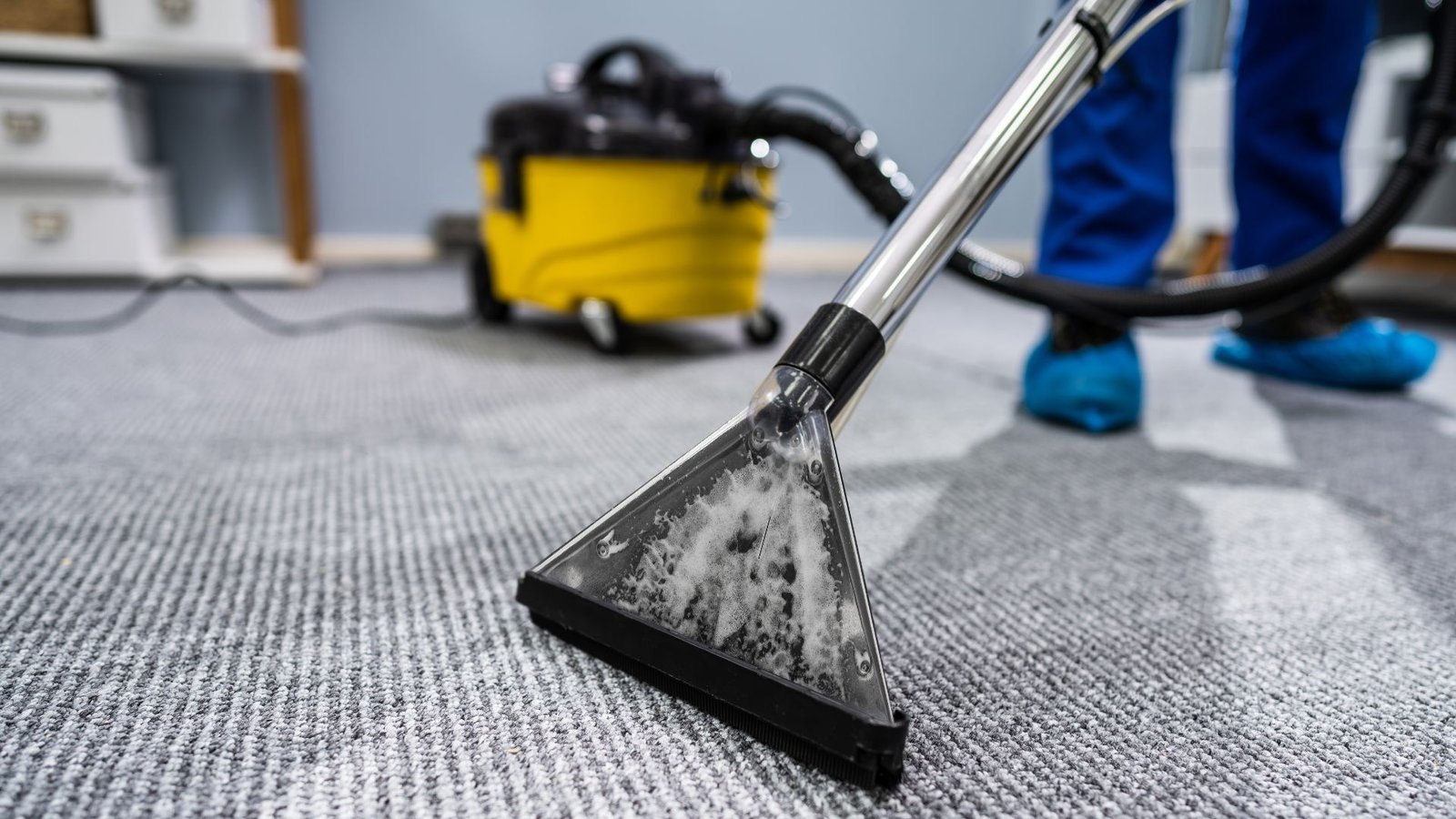
Hot Water Extraction (Steam Cleaning):
How It Works:
- Hot water (180-200°F) and cleaning solution injected into carpet
- Suspended soil immediately extracted with powerful vacuum
- Deep penetration removes embedded dirt from padding
- Most thorough method available
Advantages:
- Deepest clean reaching carpet backing and padding
- Removes 95%+ of allergens, bacteria, soil
- Recommended by most carpet manufacturers
- Most effective for heavily soiled carpets
- Kills dust mites and bacteria through heat
Considerations:
- Drying time: 6-12 hours typically
- Requires powerful truck-mounted or portable equipment
- More moisture than other methods
- Best performed by experienced professionals
Best For:
- Annual deep cleaning, heavily soiled carpets, homes with pets or allergies, maximum allergen removal, manufacturer warranty compliance
Low-Moisture (Encapsulation) Cleaning:
How It Works:
- Polymer-based solution applied to carpet
- Brushed into fibers with rotary machine
- Polymers crystallize around dirt particles
- Vacuumed away after drying
Advantages:
- Fast drying (1-2 hours)
- Minimal moisture risk
- Effective for routine maintenance
- Uses less water (environmentally friendly)
- Furniture can be replaced sooner
Considerations:
- Less thorough than hot water extraction
- Best for light to moderate soil
- May not remove deeply embedded dirt
- Requires follow-up vacuuming
Best For:
- Regular maintenance between deep cleanings, quick turnaround needs, commercial settings, light soil levels, interim cleaning
Dry Cleaning (Various Methods):
How It Works:
- Absorbent compounds or solvents applied
- Minimal to no water used
- Soil absorbed into compounds
- Vacuumed away
Advantages:
- Immediate use—no drying time
- No moisture concerns
- Good for delicate or water-sensitive carpets
Considerations:
- More expensive typically
- Less effective on heavy soil
- Requires specialized equipment/products
- Limited availability
Best For:
- Water-sensitive carpets, immediate-use requirements, delicate antique rugs, specific situations requiring zero moisture
Georgetown Home Recommendations:
For most Georgetown residences, hot water extraction provides the best combination of deep cleaning, allergen removal, and carpet care. Schedule during seasons allowing adequate drying time, or choose low-moisture methods during humid summer months or for quick-turnaround situations.
Professional residential carpet cleaning services in Georgetown can assess your specific carpets, soil level, and needs to recommend optimal approaches.
Q: How long does carpet cleaning take?
Typical Service Duration:
Average Single-Family Home (1,500-2,500 sq ft):
- Whole-house cleaning: 2-4 hours on-site
- Includes pre-vacuuming, pre-treatment, cleaning, and post-grooming
- Varies with furniture moving, stain treatment needs
Factors Affecting Duration:
Square Footage:
- Larger homes take proportionally longer
- 3,000+ sq ft homes: 4-6 hours
- Small apartments or condos: 1-2 hours
Furniture:
- Moving furniture adds time
- Heavy or numerous pieces increase duration
- Pre-moved furniture speeds process
- Some providers charge extra for moving
Carpet Condition:
- Heavily soiled carpets require more time
- Multiple stain treatments extend service
- First-time professional cleaning takes longer
- Well-maintained carpets clean faster
Method Used:
- Hot water extraction: Standard timing
- Low-moisture: Slightly faster
- Dry cleaning: Can be quicker
- Combination approaches vary
Georgetown Home Specifics:
- Historic homes with many rooms
- Split-level layouts
- Stair cleaning (time-intensive)
- Multiple floor levels
Drying Time:
Hot Water Extraction:
- 6-12 hours typical with proper ventilation
- Well-ventilated homes: 4-6 hours possible
- Humid conditions: Up to 24 hours
- Thick carpet or padding: Longer drying
- Can walk carefully in socks after 2-4 hours
Low-Moisture Methods:
- 1-2 hours until dry
- Light traffic possible almost immediately
- Full use within 2-3 hours
Dry Methods:
- Immediate use
- No drying time needed
Speeding Drying:
- Open windows (weather permitting)
- Run ceiling fans
- Use air conditioning or heating
- Avoid walking on damp carpets
- Place fans in doorways for air circulation
Planning Your Day:
- Most homeowners schedule morning appointments
- Carpets dry during day while family out
- Can return home in evening to dry or nearly-dry carpets
- Weekend morning appointments popular for family schedule convenience
Q: Do I need to move furniture?
Standard Practice:
What Most Companies Include:
- Light furniture moving (dining chairs, small tables, lamps)
- Replacement of moved items after cleaning
- Furniture placed on blocks/pads to protect during drying
- Basic moving at no extra charge
What Typically Costs Extra or Isn’t Moved:
- Heavy furniture (dressiers, entertainment centers, beds)
- Valuable antiques or delicate pieces
- Electronics and breakables
- Items requiring disassembly
- Piano and large appliances
Options:
Pre-Move Yourself:
- Move small items and breakables before arrival
- Reduces service time and cost
- Protects valuable items you prefer handling
- Clears room for efficient cleaning
- May reduce overall service cost
Full-Service Moving:
- Some providers offer complete furniture moving
- Usually costs additional $50-$150
- Requires advance notice and scheduling
- May need extra crew members
- Includes liability for moved items
Clean Around Furniture:
- Leave large pieces in place
- Clean accessible areas only
- Most cost-effective approach
- Acceptable for regular maintenance cleaning
- Consider moving for deep annual cleaning
Georgetown Home Considerations:
- Historic homes may have valuable antiques
- Heavy antique furniture better left in place
- Discuss specific concerns with provider
- Plan furniture placement for cleaning access
- Consider professional furniture moving services if needed
Best Practice:
- Discuss furniture moving during scheduling
- Clarify what’s included vs. extra cost
- Move breakables and valuables yourself
- Remove items from furniture tops
- Provide access to all rooms being cleaned
Cost and Value Questions
Q: How much does carpet cleaning cost?
Typical Georgetown Pricing:
Per-Room Pricing:
- Standard room (200-300 sq ft): $25-$50
- Large room (300+ sq ft): $40-$75
- Hallways: $15-$30
- Stairs (per flight): $25-$45
- Whole house (3-bedroom): $150-$350
Per-Square-Foot Pricing:
- Typical range: $0.20-$0.50 per sq ft
- Depends on carpet condition and services
- More transparent for large or unusual layouts
- Easy to calculate exact costs
Minimum Charges:
- Many providers have minimums: $100-$150
- Covers equipment costs and travel
- Makes very small jobs economical for provider
- Consider cleaning more areas to maximize value
Common Add-On Services:
- Stain protection (Scotchgard, etc.): $75-$150
- Pet odor treatment: $50-$150 per area
- Deep stain removal: $25-$50 per stain
- Furniture moving (if extra): $50-$100
- Rush or same-day service: 25-50% premium
Package Deals:
- Whole-house flat rates often best value
- Combining carpet and upholstery saves money
- Regular customer discounts
- Referral program savings
- Seasonal promotions
Factors Affecting Cost:
Carpet Condition:
- Heavily soiled costs more (requires extra time/product)
- Severe staining adds cost
- First-time professional cleaning more expensive
- Well-maintained carpets clean faster and cheaper
Geographic Location:
- Georgetown pricing competitive with North Shore region
- Travel from service location affects cost
- Local providers may offer better rates
Company Type:
- National chains often standardized pricing
- Local independents more negotiable
- Experience and reputation affect rates
- Value vs. price considerations
Timing:
- Weekend appointments may cost more
- Holiday season premiums possible
- Off-peak season specials
- Last-minute requests cost extra
Georgetown Average Costs:
- Small home (1,000 sq ft): $150-$300
- Average home (1,500-2,000 sq ft): $250-$450
- Large home (2,500-3,000 sq ft): $400-$650
- Very large or custom homes: $650-$1,000+
Value Considerations:
- Compare total cost, not just per-room rate
- Factor in included services
- Consider experience and reputation
- Evaluate long-term carpet protection
- Account for health benefits
- Calculate against replacement costs
Quality house carpet cleaning in Georgetown costs moderately more than budget services but delivers superior results protecting your carpet investment—false economy to choose cheapest option.
Q: Is professional cleaning worth the cost?
Return on Investment Analysis:
Carpet Lifespan Extension:
- Quality carpet costs: $3,000-$8,000+ for average home
- Professional cleaning: $300-$500 annually
- Extends carpet life 3-5 years with regular maintenance
- Savings: $3,000-$8,000 delayed replacement
- ROI: Cleaning costs 10-15% of replacement over extended lifespan
Health Benefits:
- Removes allergens reducing medication needs
- Fewer respiratory issues and doctor visits
- Better sleep quality from cleaner environment
- Reduced sick days for family
- Hard to quantify but significant value
Property Value:
- Well-maintained carpets enhance home value
- Important for resale or rental
- Shows overall home care
- Fresh, clean appearance attracts buyers
- Can affect home inspection outcomes
Quality of Life:
- Fresh, clean home environment
- Pride in home appearance
- Confidence hosting guests
- Better aesthetics and comfort
- Mental health benefits of clean spaces
Prevented Damage:
- Early stain treatment prevents permanent marks
- Regular cleaning prevents fiber damage
- Avoids costly spot replacement
- Maintains warranty coverage
- Protects padding and subfloor
Compared to DIY:
- Rental machines cost $40-$60 per day
- Results significantly inferior
- Risk of over-wetting and damage
- Time and effort considerable
- Professional results worth modest premium
Long-Term Math:
Without Regular Professional Cleaning:
- Carpet replacement every 5-8 years
- Cost: $5,000 every 6 years = $833/year average
- Plus lower quality of life, health impacts
With Regular Professional Cleaning:
- Annual cleaning: $400
- Carpet replacement every 12-15 years
- Cost: $400 annually + $5,000/13 years = $785/year average
- Plus health benefits, better appearance, peace of mind
Conclusion: Professional cleaning costs slightly less annually than premature replacement while delivering substantial additional benefits—clear positive ROI.
Q: How can I get the best value?
Money-Saving Strategies:
Timing:
- Off-season scheduling (winter, mid-summer)
- Mid-week appointments vs. weekends
- Avoid holiday periods
- Ask about seasonal specials
Service Bundling:
- Combine carpet and upholstery cleaning
- Whole-house packages vs. per-room pricing
- Multi-service discounts common
- Coordinate with neighbors for volume pricing
Frequency Optimization:
- Regular maintenance costs less than restoration
- Prevent damage requiring expensive treatment
- Consistent schedule may earn customer loyalty discounts
- Annual contracts sometimes offer savings
Preparation:
- Move furniture yourself (if able)
- Pre-vacuum to reduce service time
- Clear rooms for easy access
- Pre-treat obvious stains
- May reduce labor time and cost
Prioritization:
- Clean high-traffic areas more often
- Extend intervals for low-use spaces
- Focus budget on most visible/used rooms
- Rotate which rooms get annual attention
Referral Programs:
- Many companies offer referral discounts
- Share provider with neighbors
- Coordinate group scheduling
- Everyone saves through volume
Maintenance Between Services:
- Regular vacuuming extends professional results
- Immediate spill treatment prevents staining
- Door mats reduce tracked soil
- Shoe-free policy dramatically extends cleanliness
- Reduces needed cleaning frequency
Protection Treatments:
- Stain protection seems like extra cost
- Actually saves money long-term
- Prevents stains requiring expensive treatment
- Extends time between cleanings
- Makes home maintenance easier
Avoiding False Economies:
- Very cheap services often damage carpets
- Poor results require re-cleaning (double cost)
- Damage may void warranties or require replacement
- Mid-range pricing usually best value
- Consider reputation and experience, not just price
Professional home carpet cleaning in Georgetown offers various ways to maximize value—discuss options during scheduling to find approaches matching your budget while protecting your investment.
Stain and Problem Questions
Q: Can you remove [specific stain]?
Common Stains and Realistic Expectations:
Pet Urine:
- Fresh Accidents: 90-95% removal with immediate professional treatment
- Old/Set Stains: 60-80% improvement; odor more challenging than appearance
- Penetrated Padding: May require padding replacement for complete odor removal
- Key Factor: Time between accident and treatment critical
- Best Approach: Enzymatic treatments break down organic compounds
Red Wine:
- Fresh: 85-95% removal if treated immediately
- Dried/Set: 50-70% removal; tannins bond to fibers
- White Carpet: More challenging than patterns or colors
- Success Factors: Immediate blotting, professional products, fiber type
- Prevention: Stain protection makes huge difference
Coffee/Tea:
- Fresh: 90% removal typically
- Set Stains: 60-75% removal
- With Cream/Sugar: Slightly more challenging
- Usually Successful: Most respond well to professional treatment
Blood:
- Fresh: 80-90% removal with cold water methods
- Dried: 50-70% removal; proteins bond to fibers
- Critical: Must use cold water—heat sets protein stains permanently
- Challenge Level: Moderate; requires right approach
Grease/Oil:
- Fresh: 70-85% removal
- Set: 50-60% removal
- Type Matters: Some oils harder than others
- Success Factors: Appropriate solvents, multiple treatments sometimes needed
Ink:
- Ballpoint: 60-80% removal depending on ink type and age
- Permanent Marker: 30-50% removal; very challenging
- Challenge: Varies dramatically by ink formulation
- May Require: Multiple attempts, specialized solvents
Mud/Dirt:
- Success Rate: 95%+ when completely dry before treatment
- Key: Allow mud to dry completely, then vacuum before wet cleaning
- Usually Easy: Responds well to standard cleaning
- Exception: Clay soils may leave residual discoloration
Dye Transfer (clothing, towels):
- Challenge Level: Very difficult; 20-40% success
- Permanent Risk: Dye may have bonded permanently
- Worth Trying: Professional products sometimes effective
- Realistic: Partial improvement more likely than complete removal
Nail Polish:
- Non-Acetone Polish: 50-70% removal possible
- Acetone-Based: More challenging; 30-50% success
- Risk: Acetone remover can damage carpet fibers
- Professional Needed: Requires expertise to avoid worsening
Gum/Wax:
- Removal: 95%+ typically
- Method: Freezing then careful removal
- Usually Successful: More about technique than chemistry
- May Leave Residue: Slight color stain possible even after removal
Bleach:
- Reality: Cannot be removed—bleach permanently strips color
- Options: Dye or patch replacement only
- Prevention: Never use bleach near carpets
- Permanent: No cleaning method restores bleached fibers
Important Realities:
- No professional can guarantee 100% stain removal
- Age of stain significantly affects removability
- Previous DIY attempts may set stains permanently
- Carpet fiber type influences success rates
- Some stains physically impossible to remove
- Partial improvement often realistic for old stains
What Professionals Offer:
- Honest assessment of removal likelihood
- Best possible treatment approaches
- Won’t make unrealistic promises
- Explain limitations and options
- Often achieve results homeowners cannot
Q: What about pet odors?
Understanding Pet Odor:
Why Odors Persist:
- Urine penetrates carpet, padding, sometimes subflooring
- Bacteria break down urine compounds creating ammonia
- Uric acid crystals form—reactivate with moisture
- Regular cleaning doesn’t reach all contaminated areas
- Odor sources may be in places you can’t see
Professional Treatment Approaches:
Enzymatic Treatments:
- Specialized products contain enzymes
- Break down organic compounds at molecular level
- Neutralize odor sources rather than masking
- Require adequate dwell time (15-30 minutes)
- Multiple applications sometimes necessary
Sub-Surface Extraction:
- Reaches padding and backing
- Removes contaminants DIY methods miss
- Critical for old or multiple accidents
- May require removing carpet for severe cases
Antimicrobial Treatments:
- Kill odor-causing bacteria
- Prevent odor from returning
- Safe when dry
- Important for pet households
Black Light Inspection:
- Identifies all affected areas including hidden spots
- Reveals full extent of contamination
- Ensures complete treatment
- Prevents missing problem areas
Realistic Outcomes:
- Recent accidents: 90-95% odor elimination
- Moderate contamination: 75-85% improvement
- Severe, long-term issues: 60-75% improvement
- Worst cases: May require carpet/padding replacement
When Replacement Necessary:
- Urine saturation reached subflooring
- Years of untreated accidents
- Padding completely saturated
- Odor returns despite multiple professional treatments
- Sometimes more cost-effective than continued treatment
Prevention Strategies:
- Immediate accident cleanup critical
- Enzymatic cleaners for fresh accidents
- Regular professional cleaning for pet households
- Consider stain protection
- Address pet health issues promptly
Georgetown pet owners benefit from carpet cleaning for homes in Georgetown with specialized pet treatment expertise—not all providers equally skilled with pet-related issues.
Q: Will cleaning damage my carpets?
Professional Cleaning is Safe When Done Correctly:
How Proper Cleaning Protects Carpets:
- Removes abrasive soil cutting fibers
- Uses appropriate pH-balanced products
- Doesn’t over-wet (causes mildew, browning)
- Proper extraction prevents residue
- Extends carpet lifespan significantly
Potential Problems from Improper Cleaning:
Over-Wetting:
- Causes: Inadequate extraction, excessive water
- Results: Mold/mildew, browning, delamination, odors
- Prevention: Professional-grade equipment, experienced technicians
Wrong Products:
- Causes: Using incorrect pH cleaners, household products
- Results: Color bleeding, fiber damage, rapid re-soiling
- Prevention: Professional products matched to carpet type
Aggressive Scrubbing:
- Causes: Inappropriate agitation, wrong equipment
- Results: Fiber damage, texture changes, pilling
- Prevention: Proper technique and tools
Insufficient Rinsing:
- Causes: Rushing process, inadequate extraction
- Results: Sticky residue attracting dirt, rapid re-soiling
- Prevention: Thorough extraction and rinsing
Color Bleeding:
- Causes: Using water on non-colorfast dyes
- Results: Color transfer, permanent damage
- Prevention: Pre-testing hidden areas
How to Ensure Safe Cleaning:
Hire Qualified Professionals:
- IICRC certified technicians
- Proper insurance coverage
- Established reputation
- References available
- Appropriate equipment
Communication:
- Inform cleaners of carpet age and type
- Discuss any concerns or previous issues
- Ask about products and methods
- Request testing in hidden areas
- Clarify expectations
Warning Signs of Problems:
- Extremely cheap pricing (corners cut)
- No certifications or training
- Vague about methods
- Rush through process
- Over-promise results
Warranty Considerations:
- Many manufacturers require professional cleaning
- DIY or improper cleaning voids warranties
- Keep service documentation
- Follow manufacturer guidelines
- Professional cleaning protects coverage
Reality: Professional cleaning performed by qualified technicians is safe and beneficial—far more likely to extend carpet life than cause damage. Problems arise from unqualified providers or DIY mistakes, not from professional service itself.
Practical Logistics Questions
Q: Do I need to be home during cleaning?
Options:
Present During Service:
- Advantages: Can discuss concerns, point out problem areas, inspect results before technician leaves, ask questions
- Common Choice: Many homeowners prefer being present
- Recommended For: First-time service with new provider, homes with valuable items, if you have specific concerns
Provide Access and Leave:
- How: Leave door unlocked, provide garage code, hide key
- Advantages: Don’t need to take time off work, can run errands during service, avoid service disruption to your day
- Common For: Regular clients with trusted provider, straightforward cleaning jobs
- Considerations: Ensure pets secured, valuables protected, clear communication about access
Coordination:
- Discuss During Scheduling: Clarify expectations and logistics
- Provide Instructions: Where to access, what areas to clean, any special concerns
- Contact Number: Be reachable if questions arise
- Post-Service: Arrange inspection before payment or shortly after if not present
Georgetown Considerations:
- Many residents work in Boston—day absences common
- Established provider relationships allow trust
- Small-town setting sometimes more comfortable with access
- Discuss comfort level with provider
Best Practices:
- Secure pets regardless of presence (safety for all)
- Remove or protect valuable items
- Provide clear instructions
- Be available by phone
- Trust established, reputable providers
Q: What should I do to prepare?
Before Cleaning Day:
Clear Rooms:
- Remove small items, toys, clutter from floors
- Clear furniture tops that might need moving
- Pick up clothing, shoes, personal items
- Remove breakables from areas being cleaned
Vacuum (Optional but Helpful):
- Light vacuuming removes surface debris
- Not required—professionals will vacuum
- May slightly reduce service time/cost
- Helps you see actual carpet condition
Furniture Decisions:
- Decide what you’ll move vs. what cleaner moves
- Move valuable or fragile items yourself
- Clear paths for equipment access
- Discuss furniture moving when scheduling
Pet Arrangements:
- Secure pets in separate area or outdoors
- Some pets stressed by equipment noise
- Safety for pets and technicians
- Discuss pet presence when scheduling
Parking and Access:
- Provide parking information
- Ensure driveway access for truck-mounted equipment
- Unlock gates if applicable
- Clear path from vehicle to entry
Special Concerns:
- Point out stains needing attention
- Identify valuable or delicate carpets
- Mention previous cleaning issues
- Discuss any water damage or concerns
Day of Service:
- Be present or provide access as arranged
- Keep children and pets secured
- Provide access to water and electricity
- Be available by phone if away
- Plan to avoid traffic on damp carpets
Q: How do I maintain carpets between professional cleanings?
Daily Maintenance:
Immediate Spill Response:
- Blot spills immediately with clean white cloth
- Never rub—pushes stain deeper
- Work from outside edges inward
- Blot until no transfer to cloth
- Critical for preventing permanent stains
Regular Vacuuming:
- High-traffic areas: Daily or every other day
- Moderate traffic: 2-3 times weekly
- Low-traffic: Weekly minimum
- Use proper technique—slow passes, multiple directions
- Empty bag/canister frequently
Door Mat System:
- Place mats at all entrances
- Captures 80% of tracked dirt
- Both outside and inside doors
- Clean or shake mats regularly
- Significantly extends carpet life
Shoe Policy:
- Remove shoes at door
- Single most effective maintenance step
- Reduces tracked soil by 80%+
- Protects carpets dramatically
- Common in many Georgetown homes
Weekly Tasks:
Thorough Vacuuming:
- More careful than daily quick vacuum
- Move lightweight furniture
- Use crevice tools in corners and edges
- Change directions for better soil removal
- Focus on traffic lanes
Spot Cleaning:
- Address any new spots or stains
- Use appropriate products for carpet type
- Test in hidden area first
- Blot, don’t scrub
- Rinse residue thoroughly
Monthly Attention:
Deep Vacuuming:
- Take extra time on high-traffic areas
- Move furniture to vacuum beneath
- Vacuum under cushions and removable items
- Use attachments for baseboards and corners
Rotating Furniture:
- Change traffic patterns
- Distributes wear evenly
- Rotates sun exposure
- Prevents permanent traffic patterns
Inspection:
- Check for developing issues
- Note areas needing professional attention
- Identify new stains or wear
- Plan for upcoming professional cleaning
Protection Strategies:
Furniture Pads:
- Prevent furniture leg marks and rust
- Distribute weight over larger area
- Protect against indentations
- Inexpensive prevention
Area Rugs:
- Protect high-traffic areas
- Can be cleaned separately
- Easier to replace than wall-to-wall
- Add decorative element
Rearrange Periodically:
- Changes foot traffic patterns
- Prevents permanent wear lanes
- Rotates sun exposure
- Maintains even appearance
Sun Protection:
- Close curtains during peak sun
- UV damages and fades carpet
- Rotate furniture blocking sun
- Consider UV-filtering window treatments
What to Avoid:
- Harsh chemicals or bleach
- Over-wetting during spot cleaning
- Rubbing stains (spreads and embeds)
- Neglecting regular vacuuming
- Waiting too long between professional cleanings
Combining consistent home maintenance with annual professional home carpet cleaning Georgetown optimizes carpet appearance, longevity, and home health.
Take Confident Action
Your Georgetown home’s carpets deserve care based on knowledge rather than guesswork, confidence rather than uncertainty, and proven methods rather than trial and error. Understanding the answers to common questions about residential carpet cleaning empowers you to make decisions that protect your carpet investment, maintain your home’s beauty, and ensure your family’s health—without the hesitation that comes from unanswered concerns.
From timing and frequency to methods and costs, from stain removal to practical logistics, the information provided here addresses the real questions Georgetown homeowners face when considering professional carpet cleaning. You now have the knowledge to schedule service confidently, select qualified providers, set realistic expectations, and maintain carpets properly between professional cleanings.
Don’t let lingering questions delay the maintenance your carpets need to remain beautiful, healthy, and long-lasting. The answers are clear: regular professional cleaning extends carpet life, improves home health, enhances appearance, and costs less than premature replacement—making it one of the best investments in home maintenance you can make.
Whether you’re scheduling your first professional cleaning or establishing an ongoing maintenance program, Georgetown’s professional carpet cleaners stand ready to answer your remaining questions and deliver the results your home deserves. Take action today—your carpets, your family’s health, and your peace of mind will thank you.